
Effervescent, cosmopolitan, and fascinating – three words that immediately come to mind when describing London. All the world converges in the English capital. It’s the ideal destination for a romantic getaway, a family vacation, or a trip with friends. No matter the weather or the time of year, London will keep surprising you and make for a unique experience. Off to London!
Much like New York or Tokyo, London is one of those legendary global metropolises with an undeniable power of attraction. These gigantic, sprawling megalopolises are in perpetual motion, so much so that a stay of a few days is barely enough to get a first glimpse of them. In reality, you need weeks, months, even years to truly get to know these cities. This is why we think it’s vital to pinpoint the places you really want to see, and strategically select which areas to explore. Which is exactly what we did for our five-day stay in the English capital.
First, we had to rule out a few of London’s must-see sights that we had visited or experienced before: Buckingham Palace, the British Museum, the Natural History Museum, Camden, Notting Hill, Piccadilly Circus, Harrods, the Tower of London, or even catching a musical in the West End… Not because they aren’t interesting – quite the contrary – but simply because it’s impossible to do it all in just a few days, and because we also wanted to explore some spots that were new to us, or new to London. Here are some of our favorite neighborhoods and top discoveries, as well as our best tips and practical information to explore London.
Introduction
London is a fascinating city – vast (15 times the surface area of Paris) and multifaceted. It’s both modern, dynamic and innovative, all while being endowed with a rich cultural, historical and architectural heritage.
There are so many things we love to do in London: walking, strolling, wandering around, relaxing in parks, visiting museums (many of which are free), shopping, having a nice meal in a restaurant (most world cuisines can be found here), drinking a pint in a pub or enjoying the nightlife, going to a concert, the theater, or a sports event… Taking in its distinctive atmosphere, that changes throughout the day, and from one neighborhood to the next.
London has something for everyone, to suit any taste, any mood, and (almost) any budget. To Stéphanie, it has everything, except the sea and the mountain air.
Our favorite spots and neighborhoods
Westminster, Big Ben and the banks of the Thames to Tower Bridge
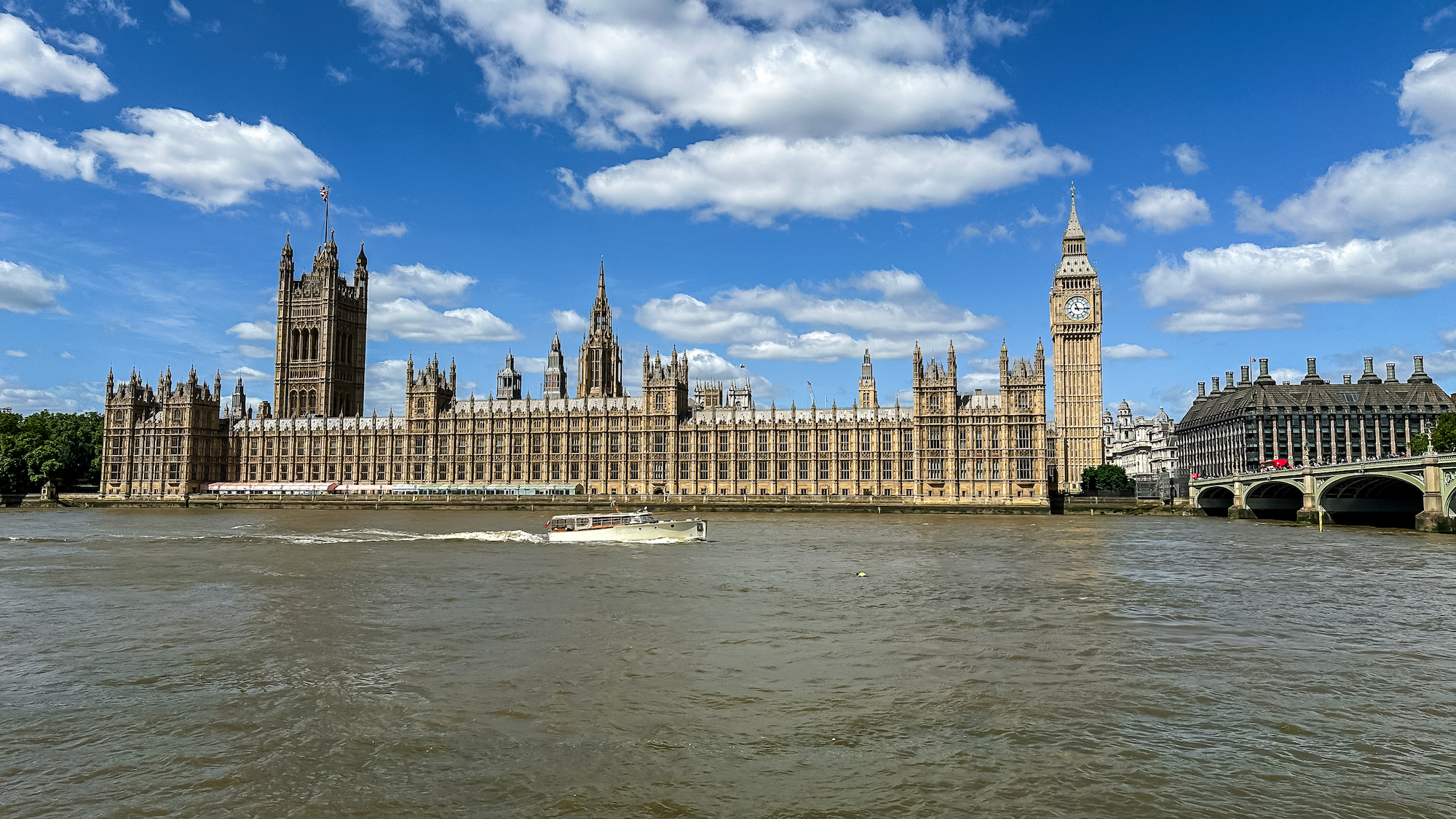
Famous the world over, the Palace of Westminster and its Clock Tower are iconic London landmarks. Starting our stay in English capital with the Houses of Parliament, the Clock Tower and the view of the Thames has become something of a tradition for us, in order to feel connected to the city and properly mark our arrival.
• The Palace of Westminster
The Palace of Westminster has been home to the Parliament of the United Kingdom (both the House of Lords and the House of Commons) since the 16th century. After a large part of the palace was destroyed in a massive fire in 1834, the building was reconstructed in the Gothic Revival style.
• Big Ben
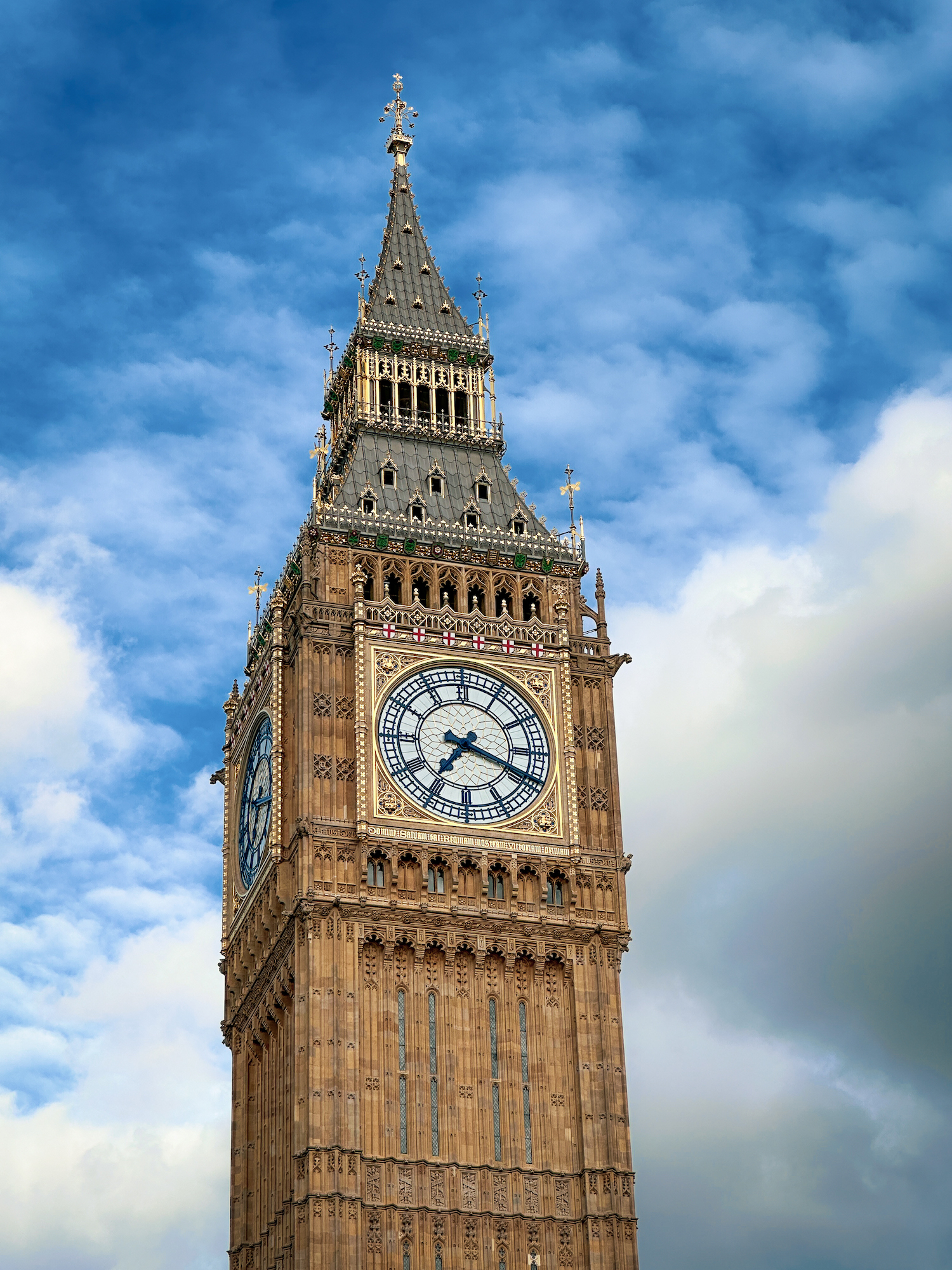
While many might think the Great Clock of Westminster is called Big Ben, that is actually the nickname of the Great Bell within the Clock Tower next to the Houses of Parliament. Built in 1858, the Clock Tower was renamed the Elizabeth Tower for the Queen’s Diamond Jubilee in 2012. The tower underwent renovations from 2017 to 2021, and at 96 m, it’s as tall as 21 London buses.
• A walk along the Thames (The Queen’s Walk)
Starting at Westminster Bridge, a stroll along the South Bank of the Thames (The Queen’s Walk) is an absolute must. The view of the Palace of Westminster and the Elizabeth Tower is like a graphic symbol of London.
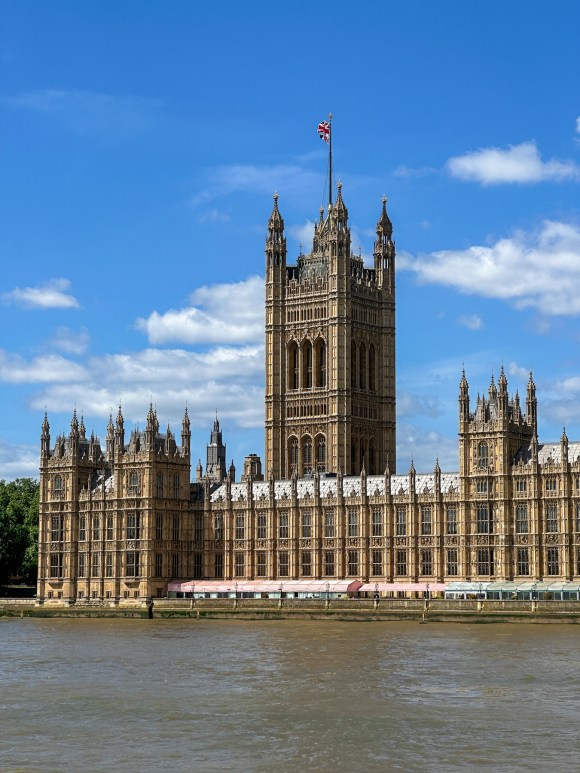
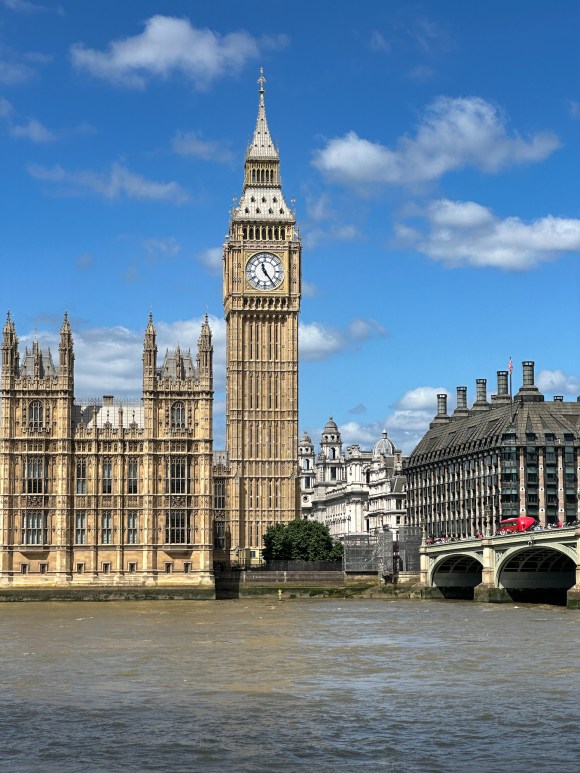
Our tip for the best photos: Come here in the morning or at sunset, in order to benefit from the best natural light.
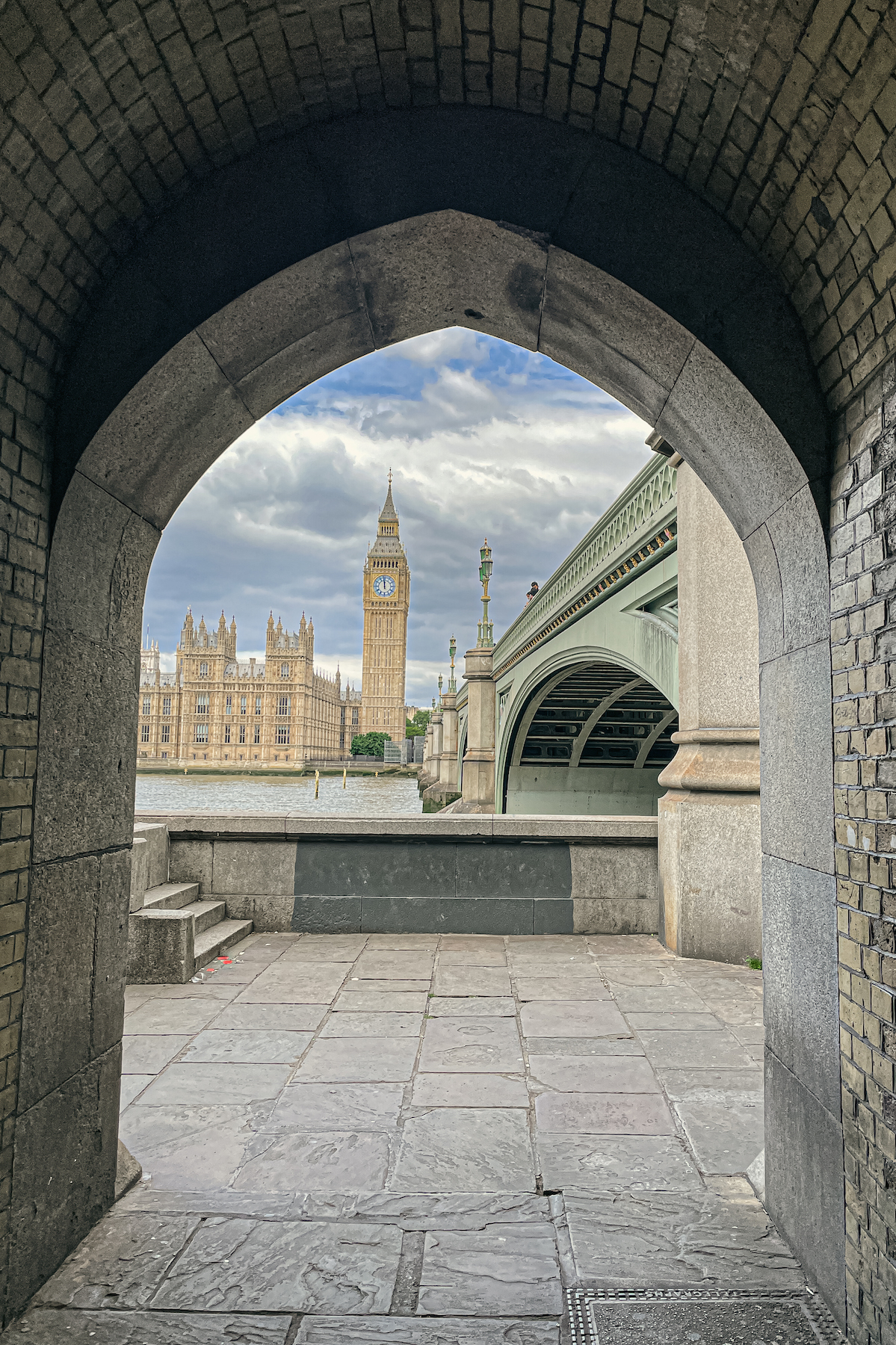
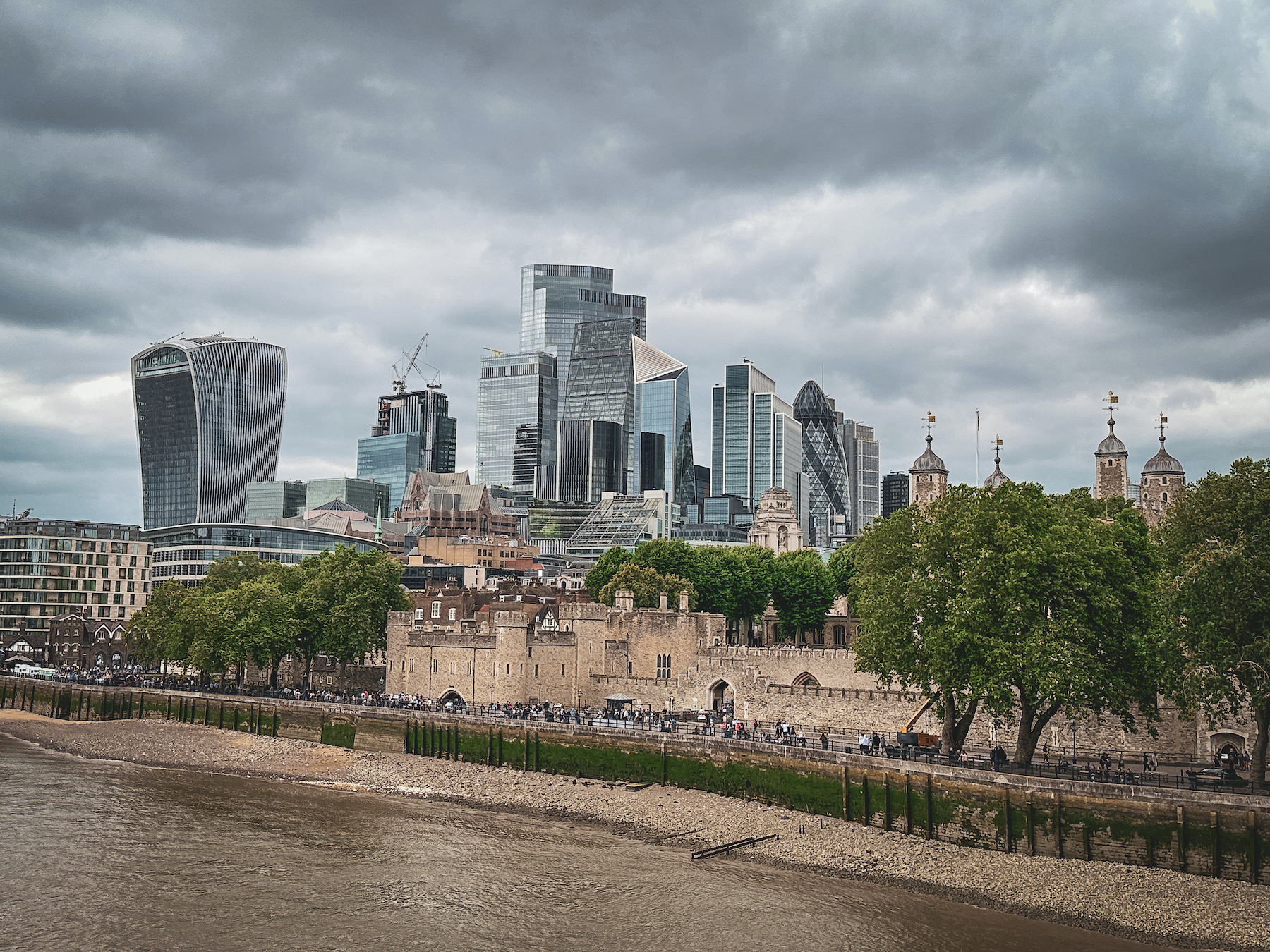
Our recommendation: Take your time to enjoy a leisurely walk along the Thames, from Westminster Bridge to Tower Bridge (around 4.5 km or 2.8 miles). This riverside promenade will take you past famous London sights such as the London Eye, Oxo Tower, Shakespeare’s Globe (a reconstruction of the Globe Theatre from Shakespeare’s time), Tate Modern, the skyline of the City, Millennium Bridge, the Tower of London, and Tower Bridge.
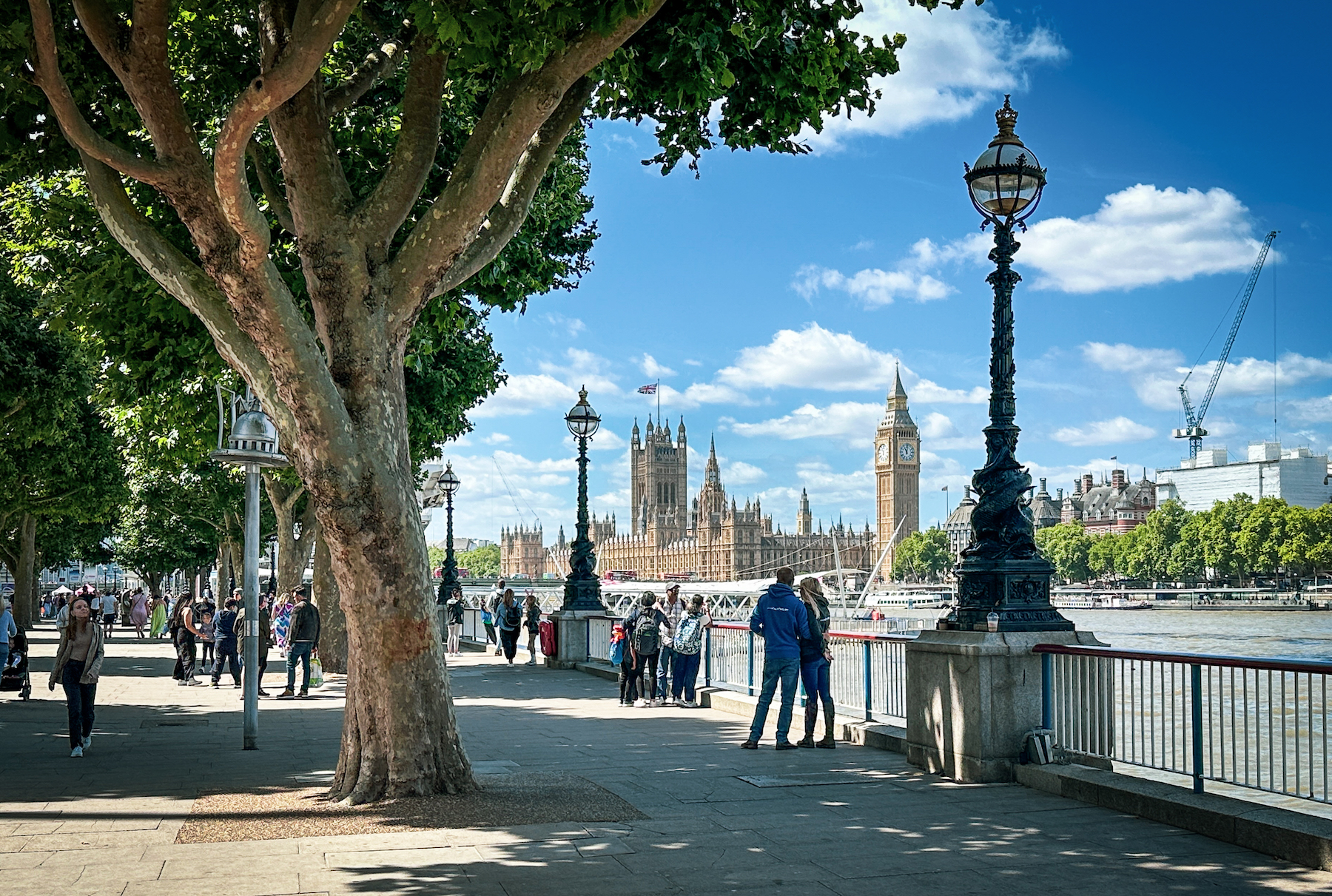
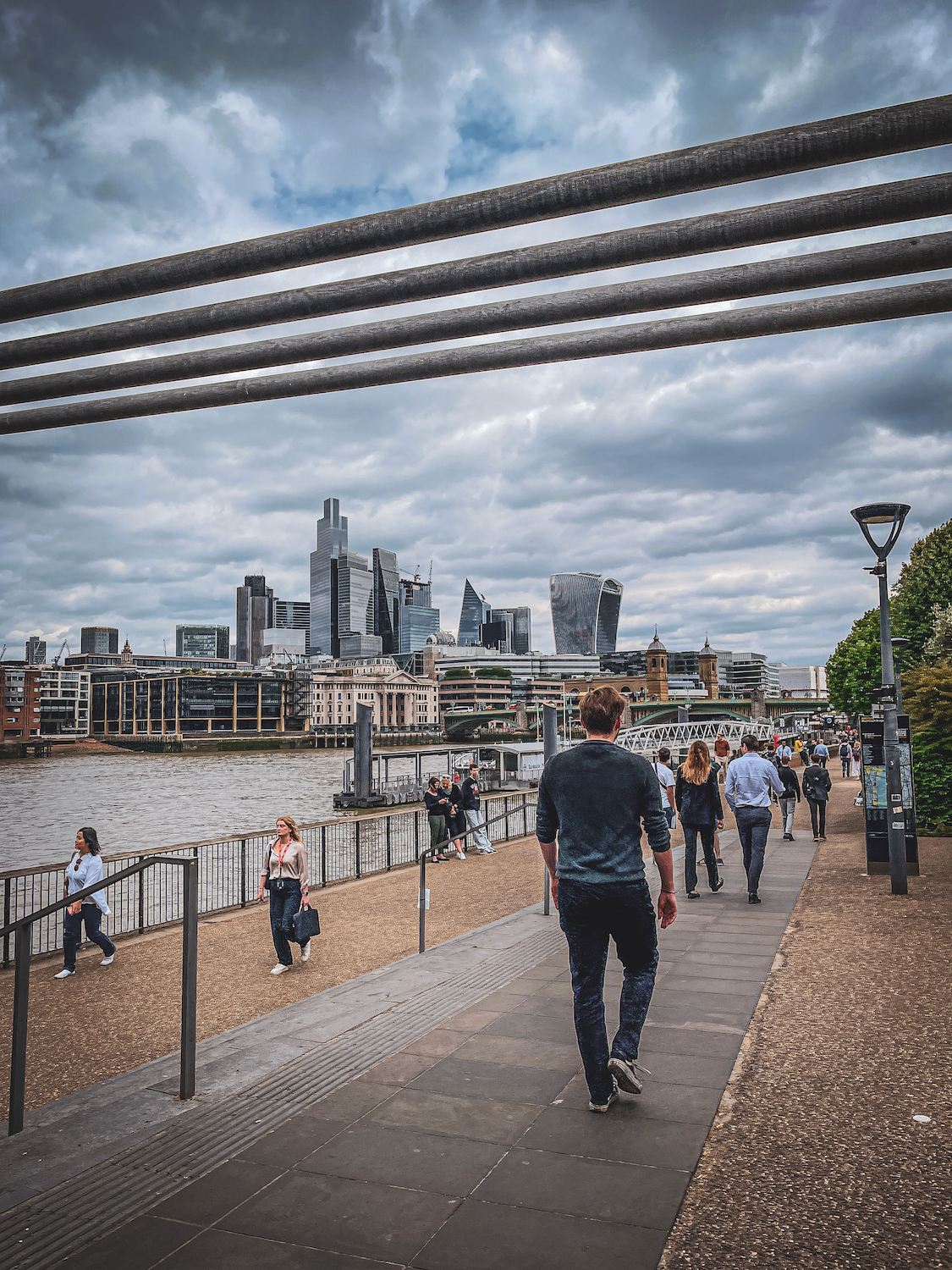
All along our walk, we were struck by the juxtaposition of buildings from different periods of the city’s history.
• Oxo Tower
The Oxo Tower was originally a power station that supplied electricity to the Royal Mail, before it was converted into a cold store for meat destined for the production of OXO beef stock cubes. The Art Deco building was then renovated in the 1990s and has since contained a large number of artisan workshops, art galleries, restaurants and apartments.
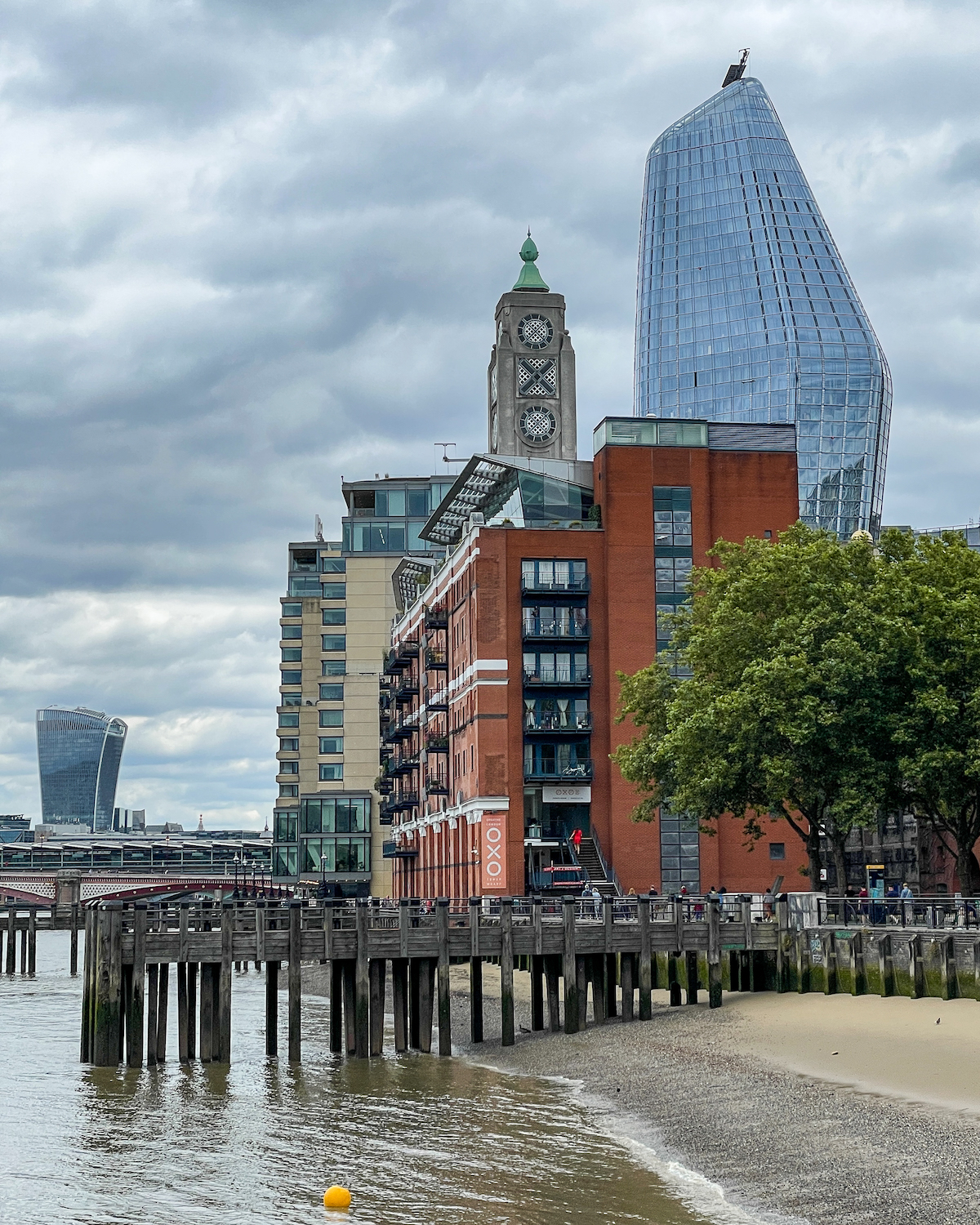
We chose one of the many benches along the Thames as our lunch spot, where we could share a picnic with an unobstructed view of the Victoria Embankment and St. Paul’s Cathedral.
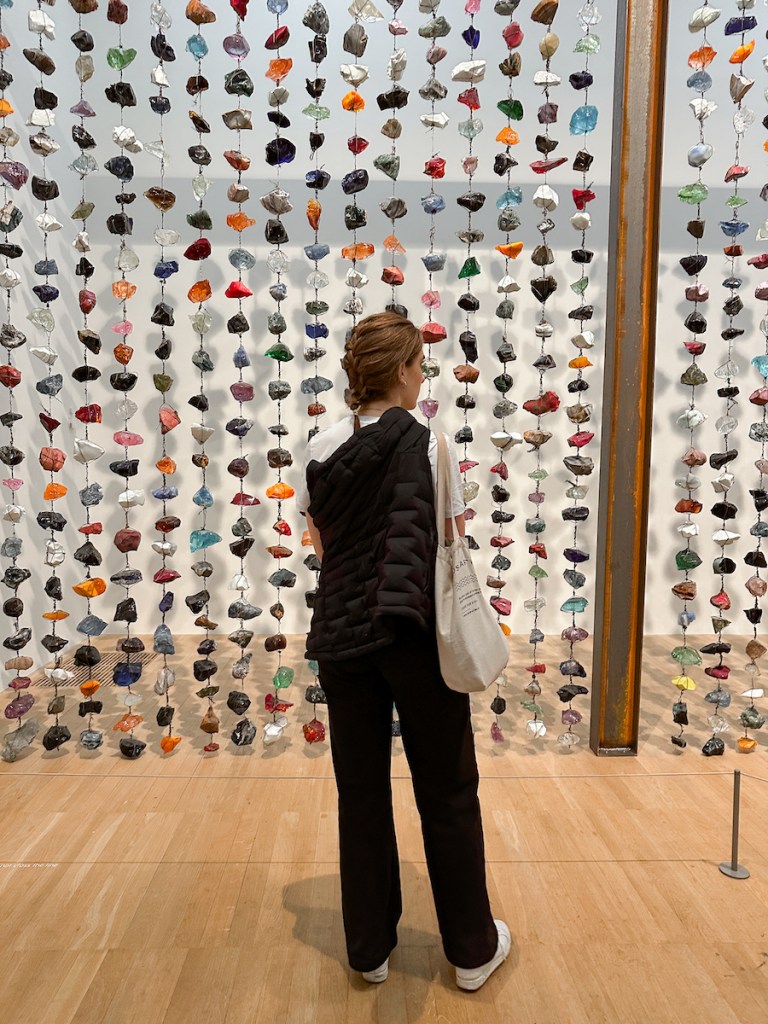
Another former power station, this time converted into a museum of modern and contemporary art. Admission to the main collection is free, while there is an entrance fee for the temporary exhibitions. The permanent collection contains an array of paintings, photography, installations, and sculptures, and features works by major artists such as Malevich, Delaunay, Klein, Richter, Pollock, Dubuffet, Arp, Ernst, Modigliani, Léger and Lichtenstein.


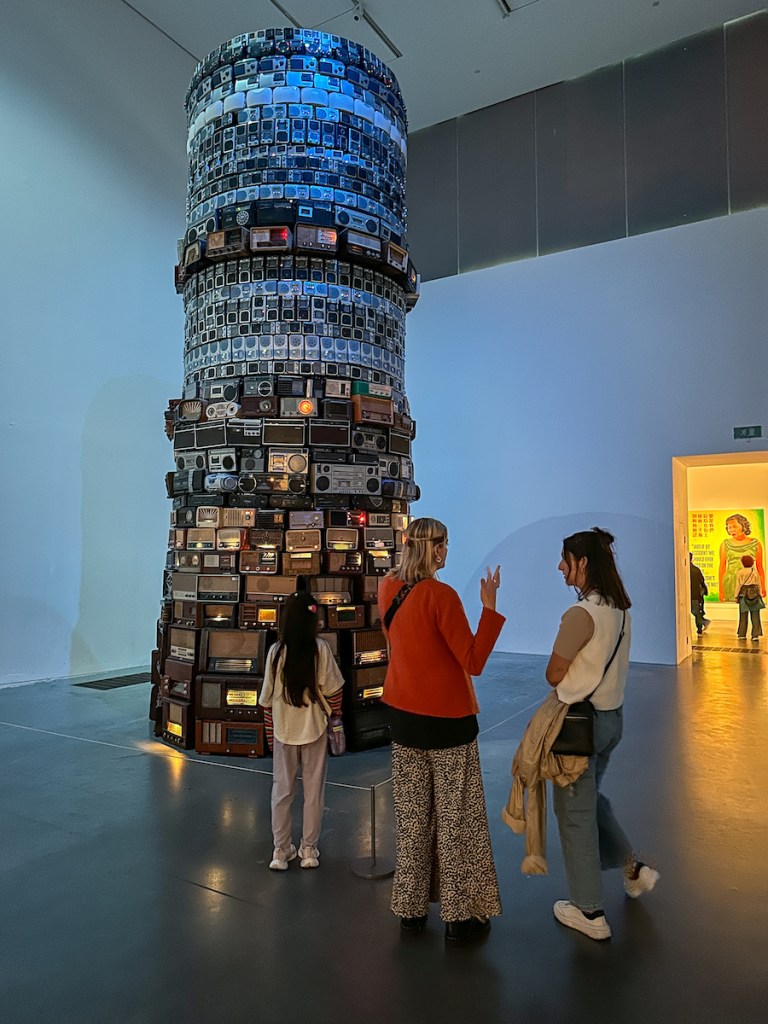
Set up in a darkened room, the installation entitled Babel by Cildo Meireles was incredibly compelling to us. A tower rising from floor to ceiling, made up of hundreds of old radios, each tuned in to a different station, created a gentle cacophony of voices and various musical genres. The artist describes the piece as a tower of incomprehension.
• Millennium Bridge
As the first new bridge built over the Thames since Tower Bridge was completed in 1894, the Millennium Bridge was opened in 2000 (hence its name). This footbridge runs from St. Paul’s Cathedral (on the north bank) to Tate Modern (on the south bank).
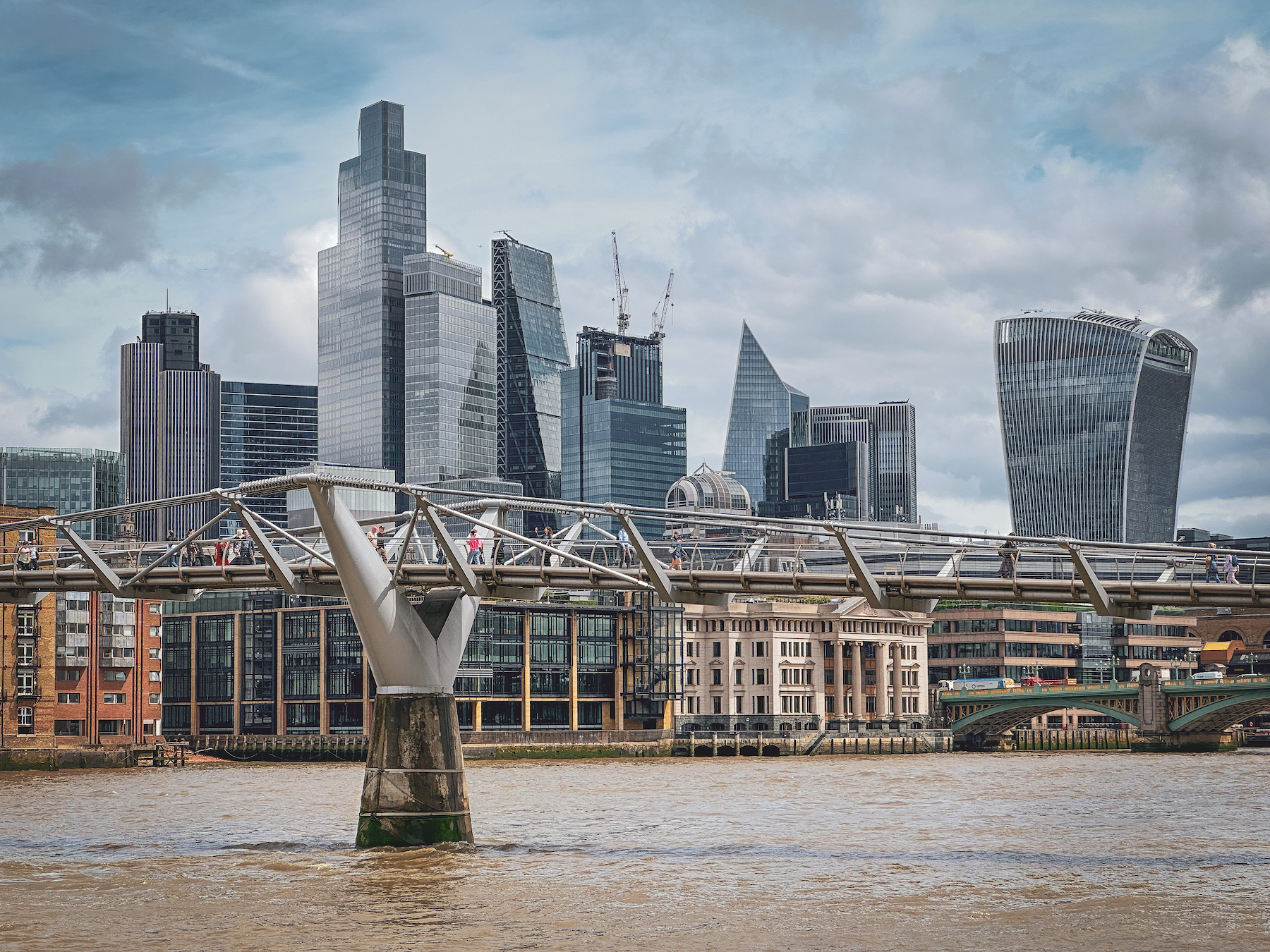
The bridge is the result of a collaboration between British architect Norman Foster and sculptor Sir Antony Caro. Their goal was to create a ribbon of steel spanning the river.
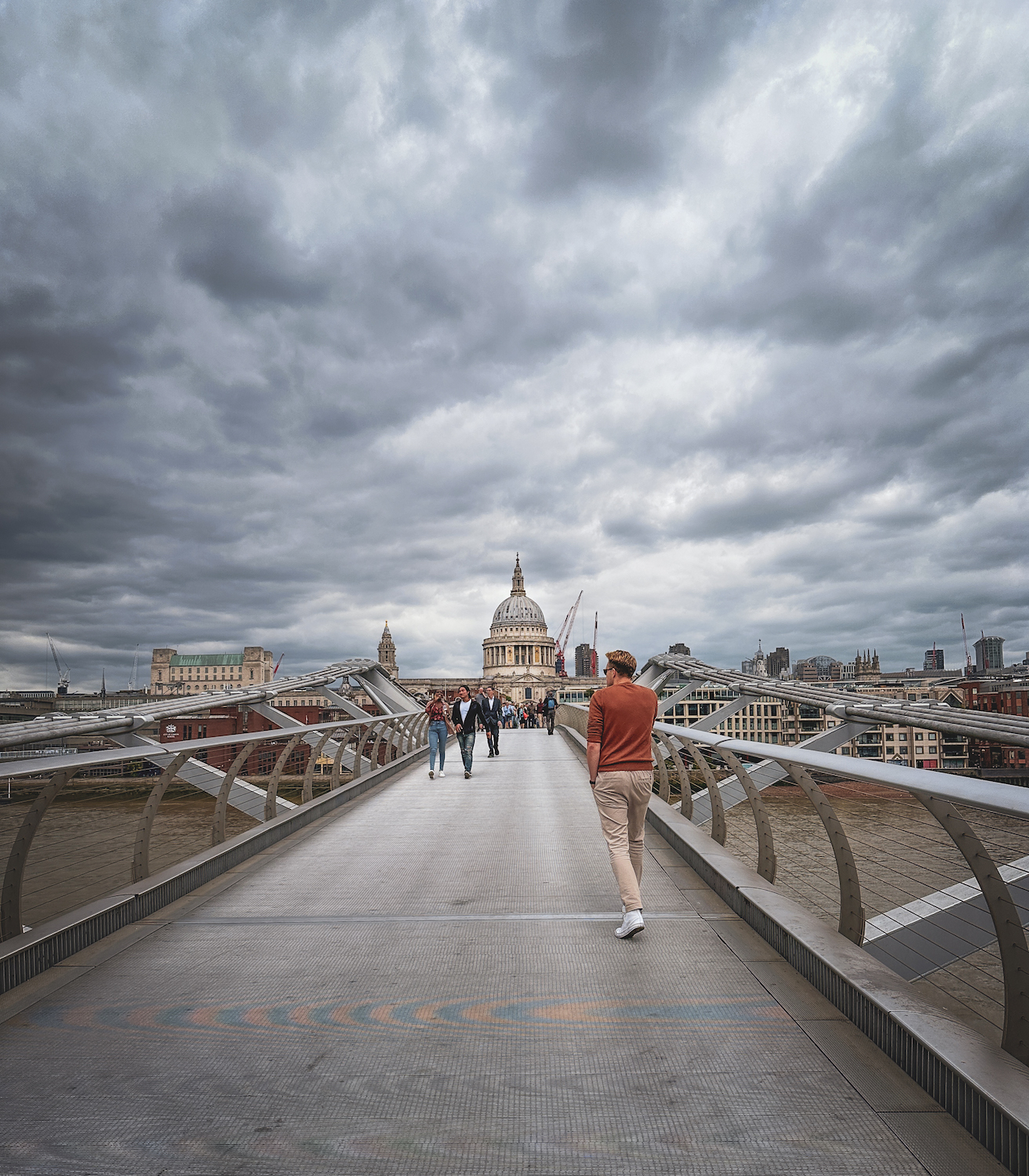
• St. Paul’s Cathedral
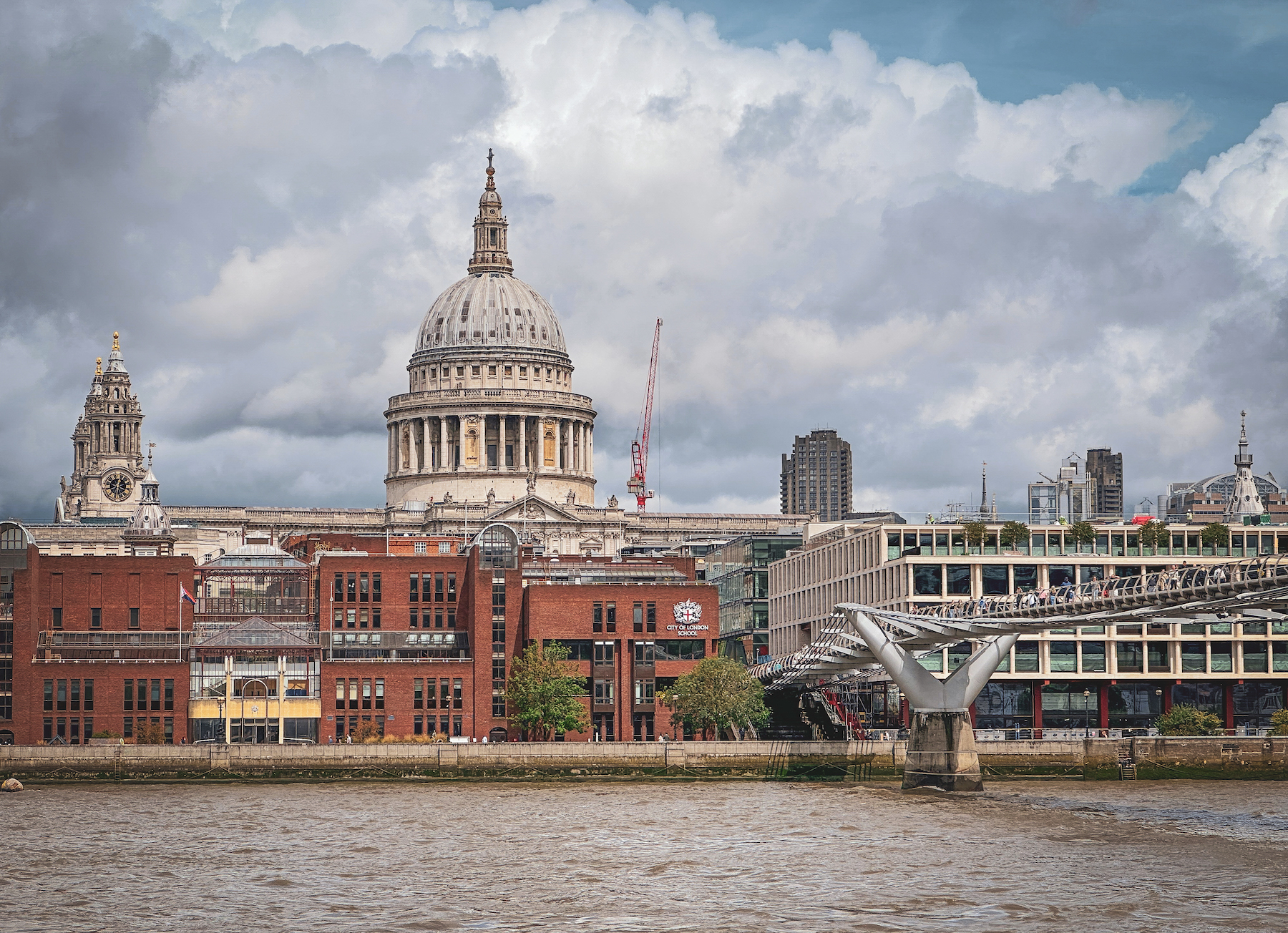
St. Paul’s Cathedral is recognizable by its massive, white dome, culminating at 111 meters. It was built in the English Baroque style following the Great Fire of London in the 17th century and completed in 1710.
• One New Change
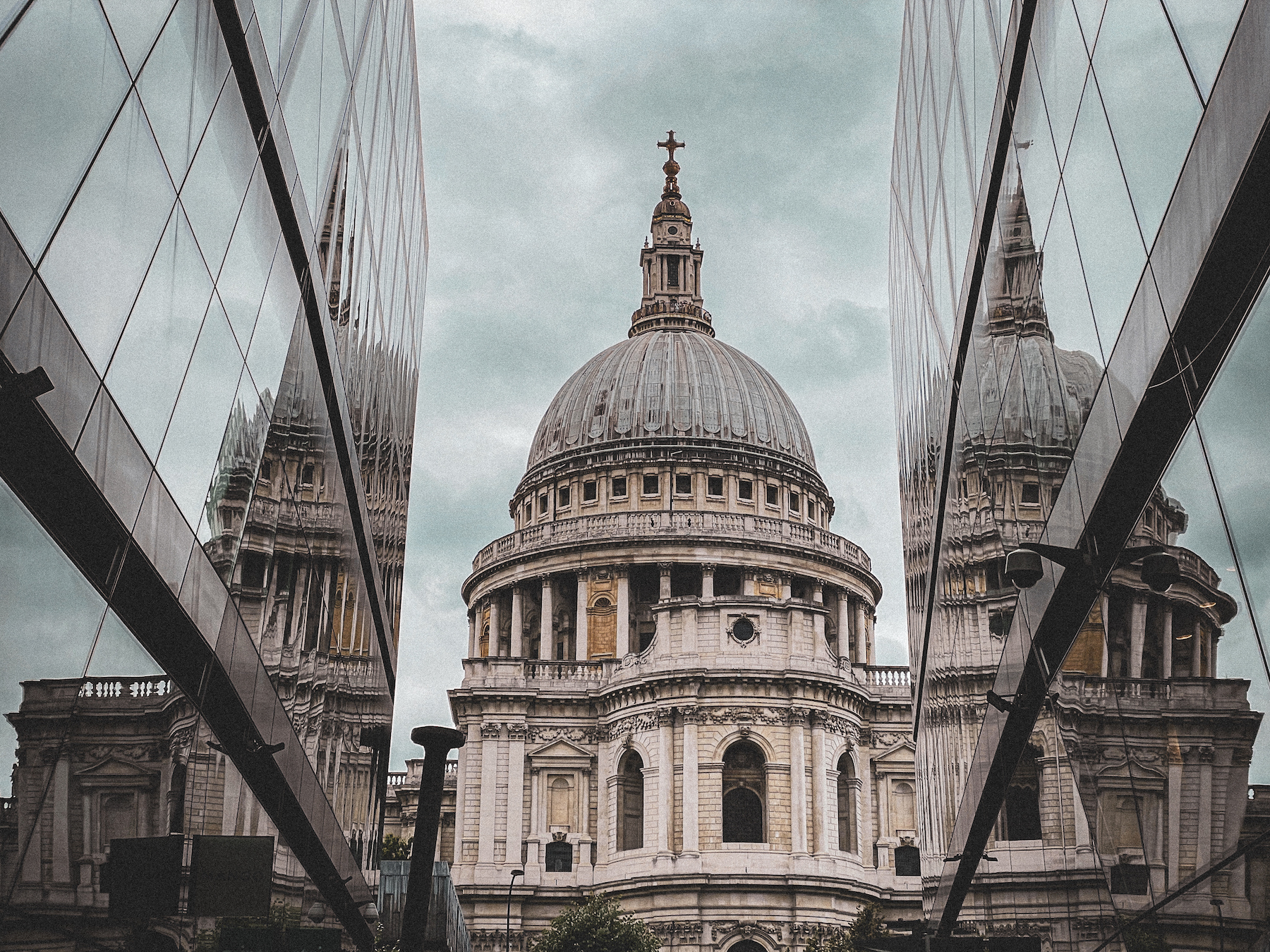
The exterior architecture of the One New Change mall offers a stunning and unusual view of St. Paul’s Cathedral. (The rooftop of the shopping center is closed until 2025.)
Our recommendation: Stand in the middle of the courtyard of the mall to enjoy the most interesting views, where the dome of the Cathedral is reflected in the glass façade.
• The Shard
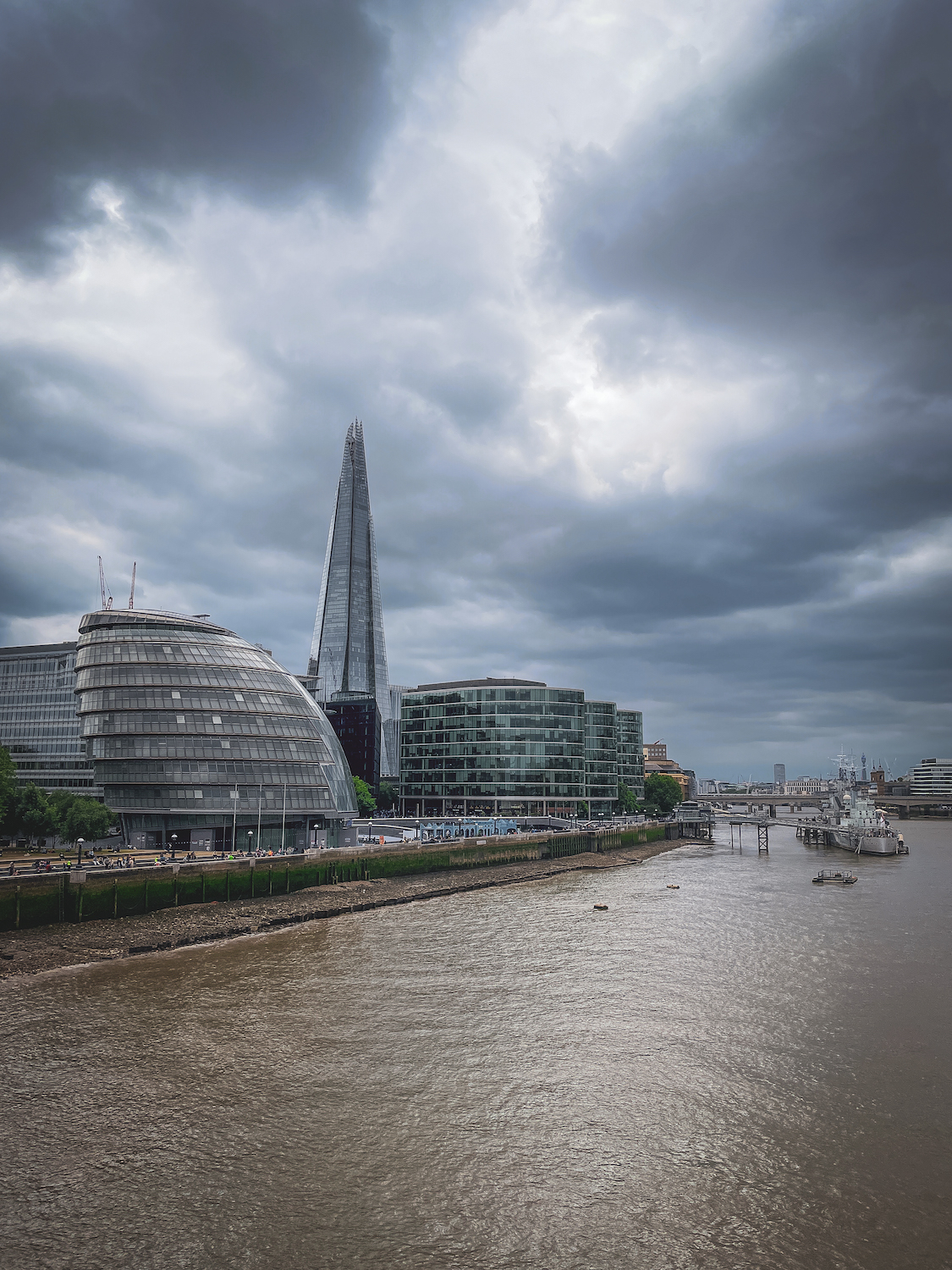
Designed by Italian architect Renzo Piano, The Shard is easily recognizable by its jagged shape. At 310 m, this skyscraper is the tallest building in the United Kingdom.
• Tower Bridge
A vestige of the Industrial Revolution, Tower Bridge is one of London’s most iconic structures. The bridge was originally intended to facilitate commuter traffic in the city at a time when the population, commerce and industry were all booming. The challenge in designing this bascule bridge lay in allowing for pedestrians and horse-drawn carriages to cross the Thames, without interrupting traffic on the river.
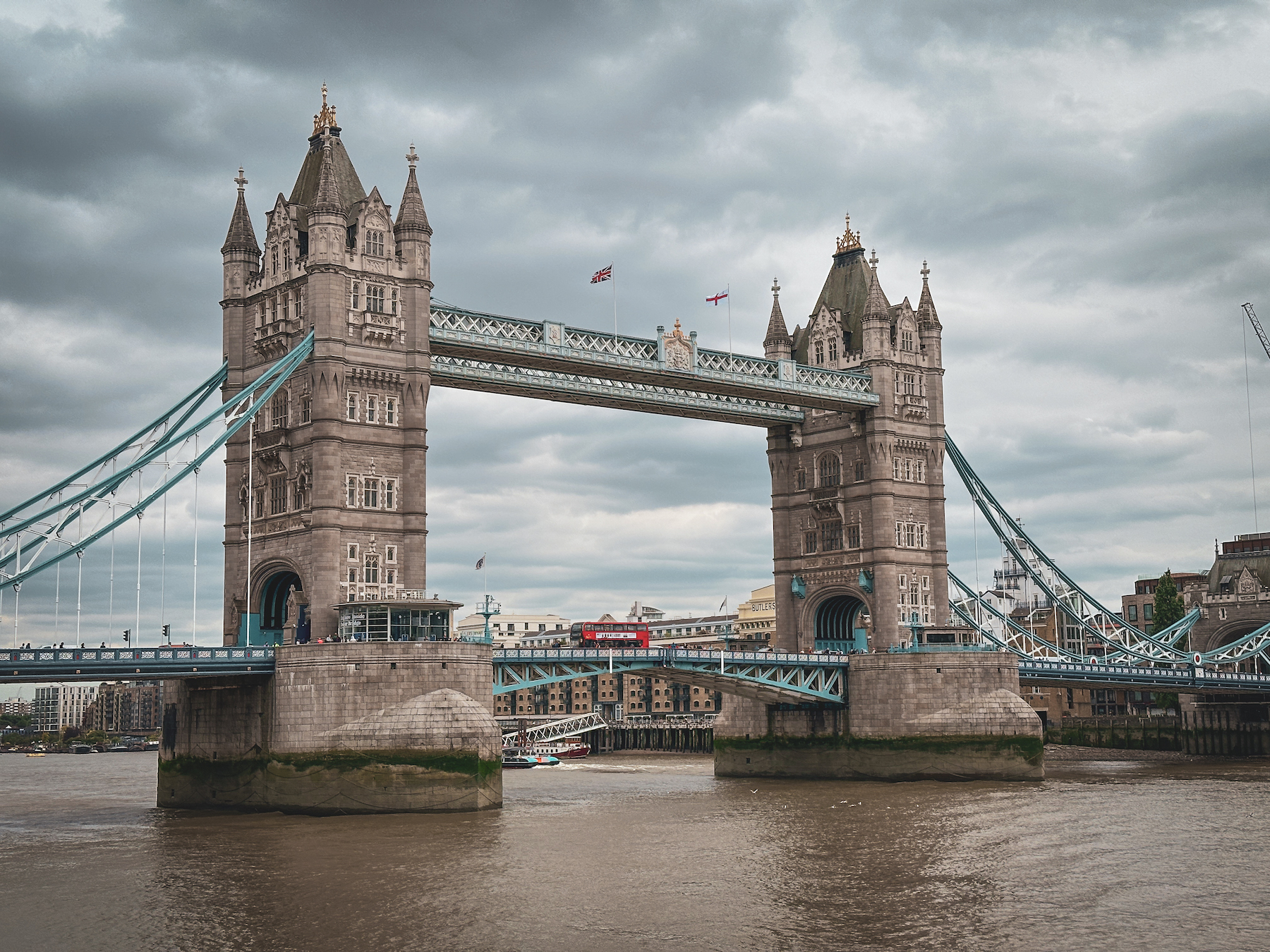
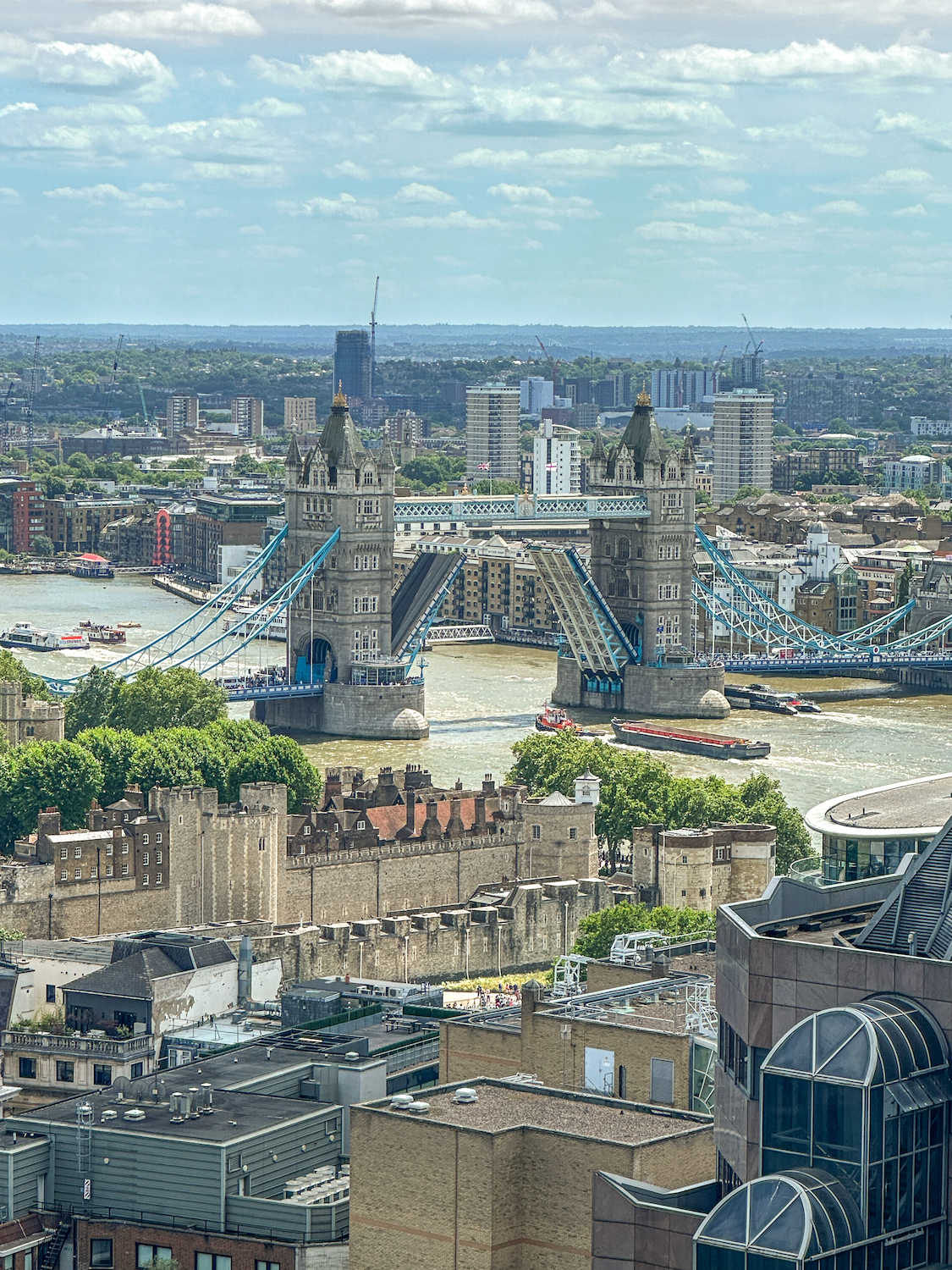
If you’re lucky, you might see the bridge open to let a large ship pass (on average twice a day).
The City
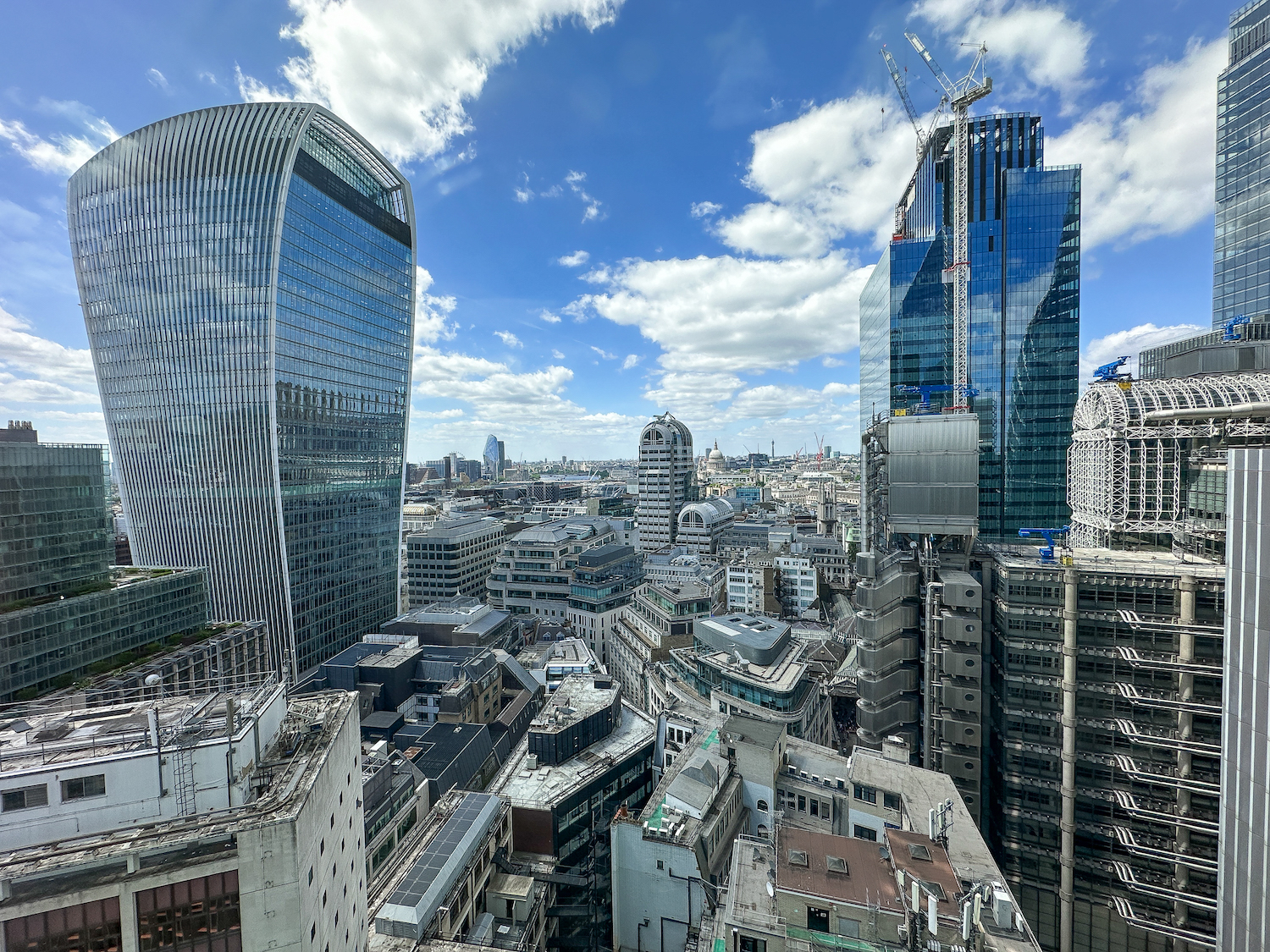
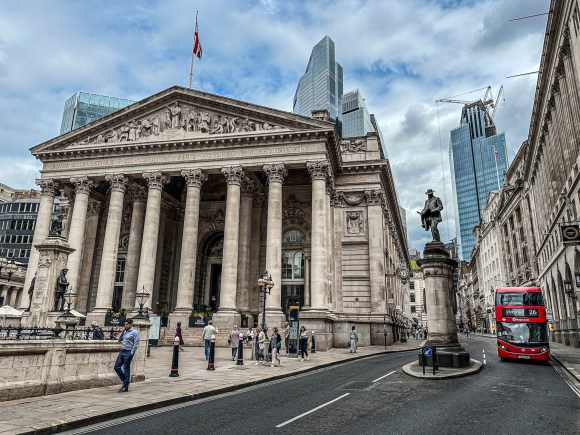
The City is London’s business and financial district. The area is home to quite a few remarkable skyscrapers, such as 30 St Mary Axe, which Londoners have nicknamed The Gherkin, the Leadenhall Building, also known as The Cheesegrater, and 20 Fenchurch Street, otherwise known as The Walkie-Talkie.
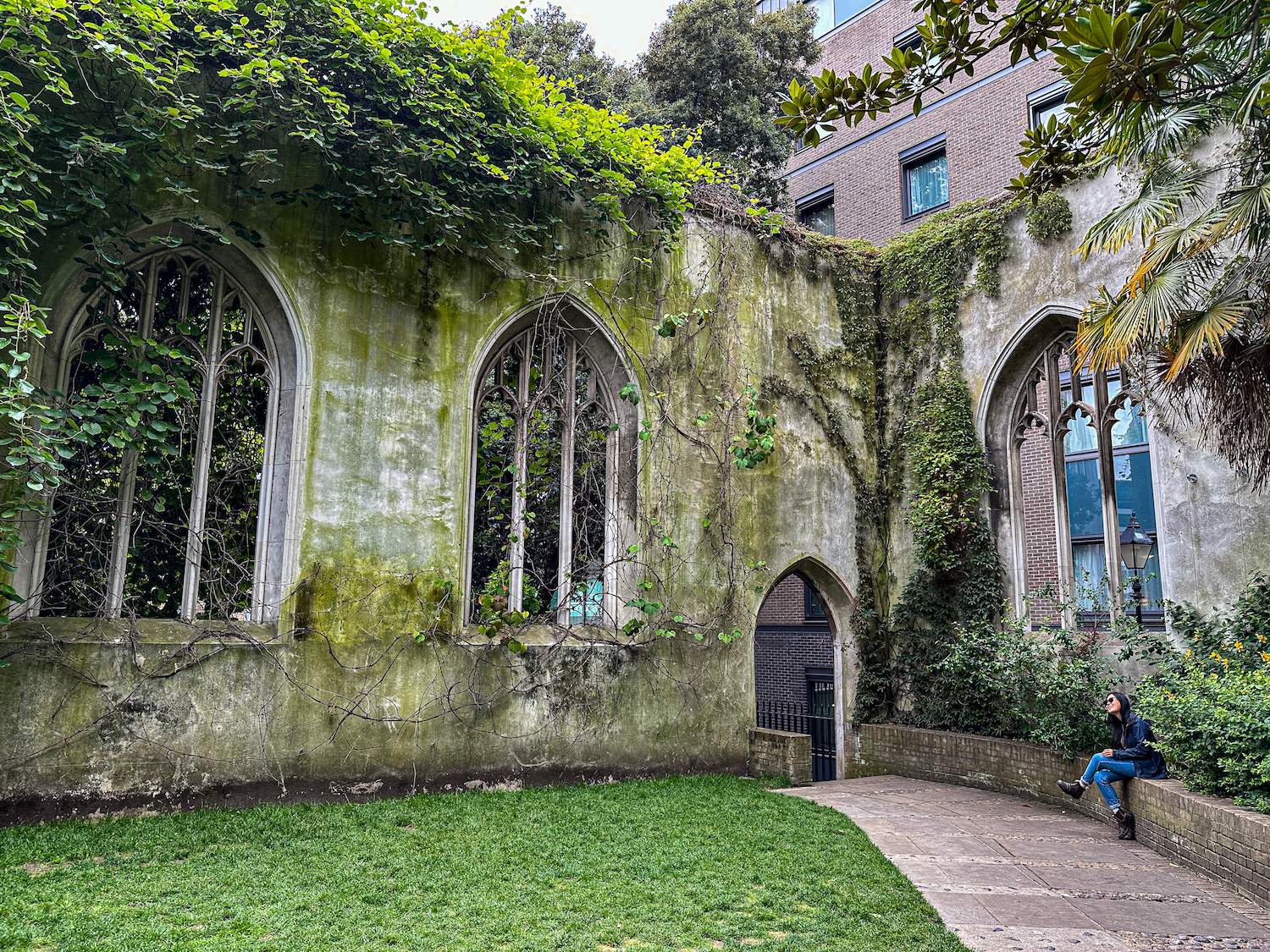
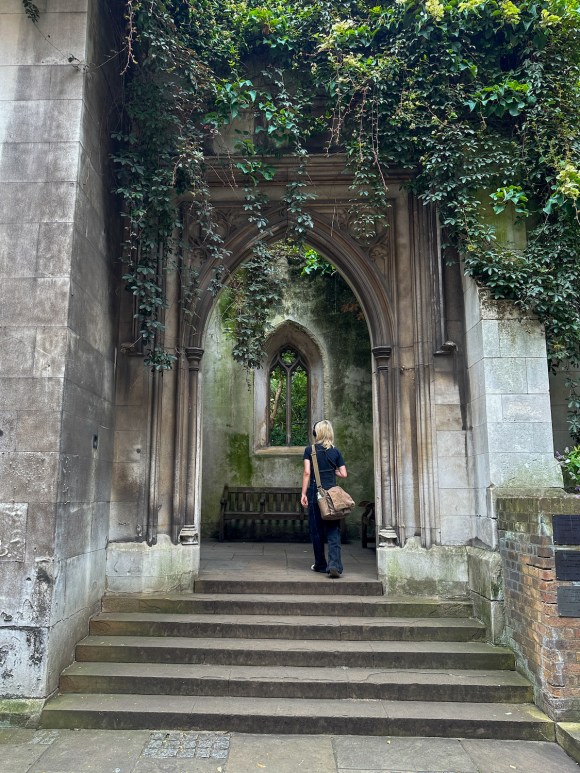
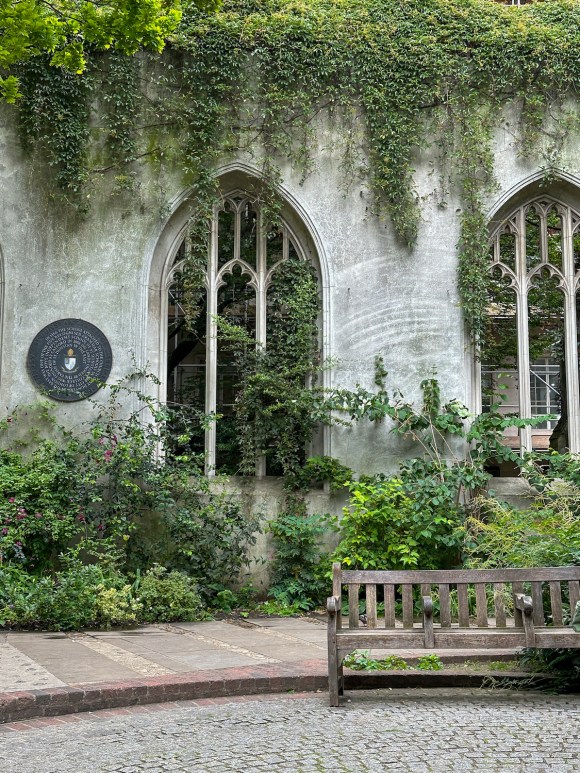
• St Dunstan in the East (St Dunstan’s Hill)
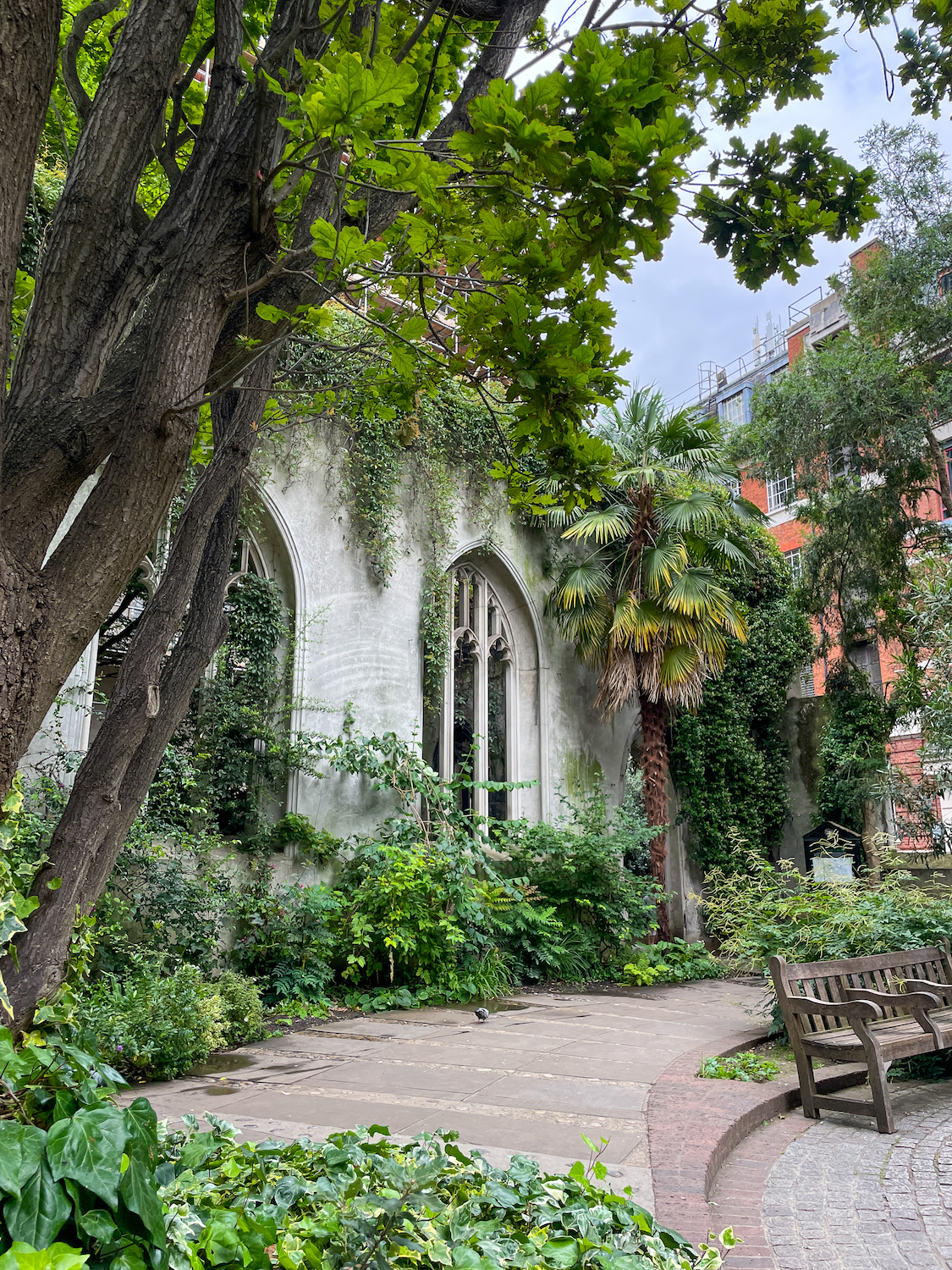
What remains of a St. Dunstan in the East, a church that was destroyed during the Blitz, has been converted into a quiet, peaceful garden. This was a lovely surprise – we did not expect to find a place like this in the middle of the hustle and bustle of the City.
• Leadenhall Market (Gracechurch Street)
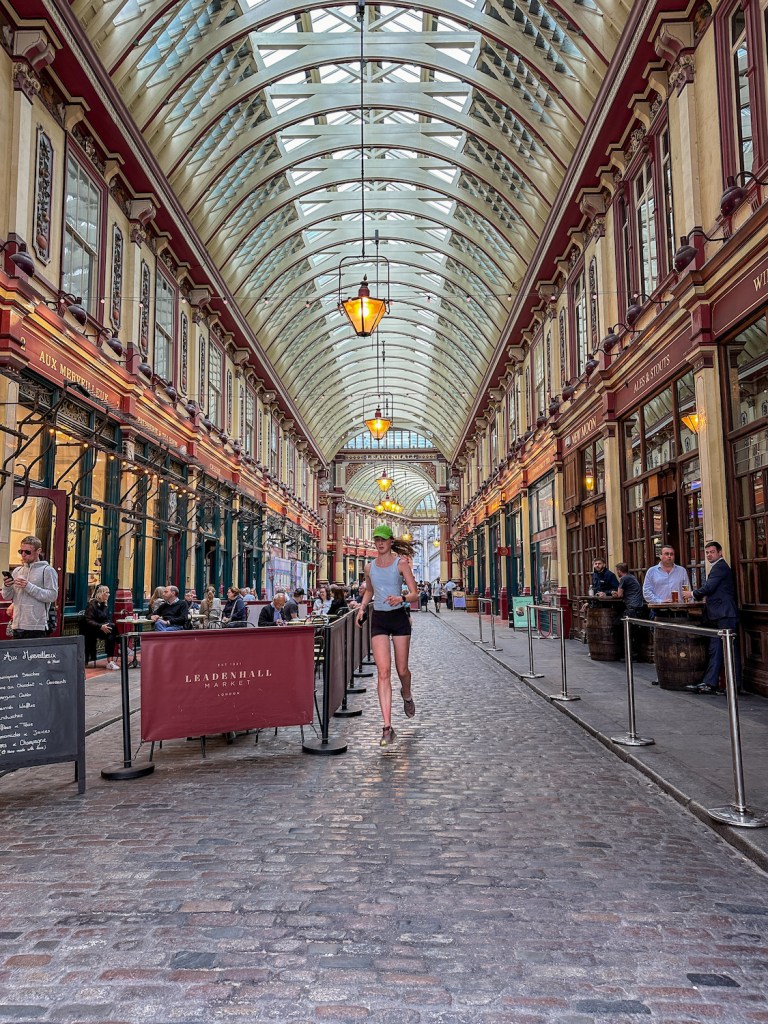
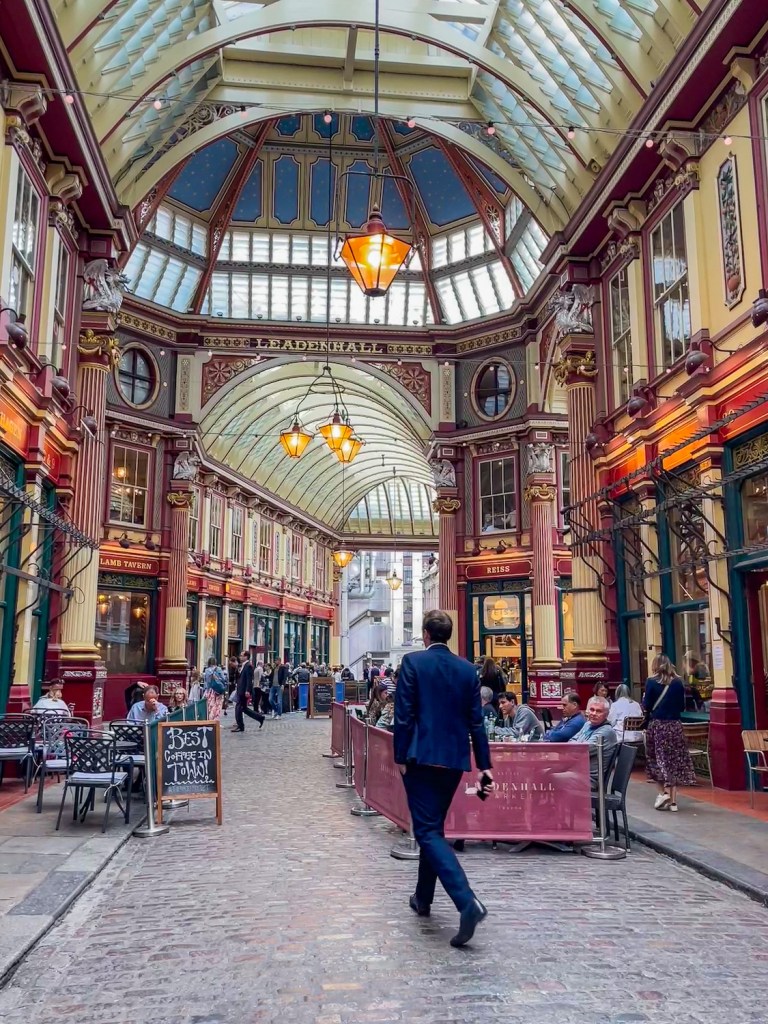
Tucked away between The Gherkin and The Walkie-Talkie, Leadenhall Market is a Victorian-style covered market. The building boasts a beautiful glass skylight, and every shop and restaurant dons an ornate red and green front, in keeping with the 19th-century style. Stéphanie would have loved to walk through Victorian London for a few hours.
• The Garden at 120 (120 Fenchurch Street)
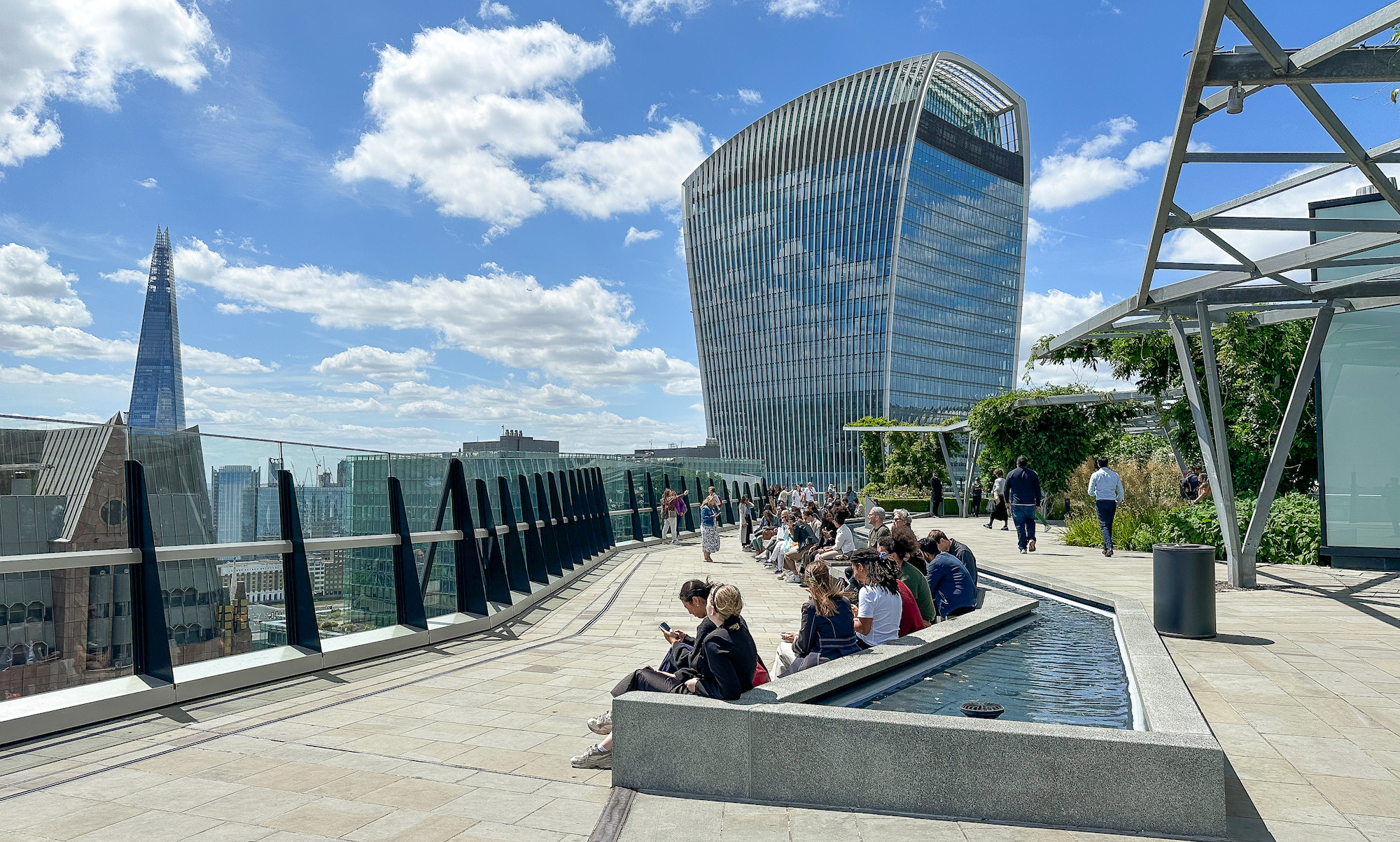
An open-air rooftop garden on the 15th floor of the Fen Court Building, offering a splendid 360° panoramic view the entire capital. Discovering this garden was one of our favorite experiences during this trip to London.
Trafalgar Square and the National Gallery
• Trafalgar Square
This is probably London’s most famous square, with Nelson’s column in the middle – in honor of the vice-admiral who died for king and country at the Battle of Trafalgar. The Corinthian-style column is surrounded by 4 lions, cast in bronze from French cannons that were taken from ships defeated in the battle.
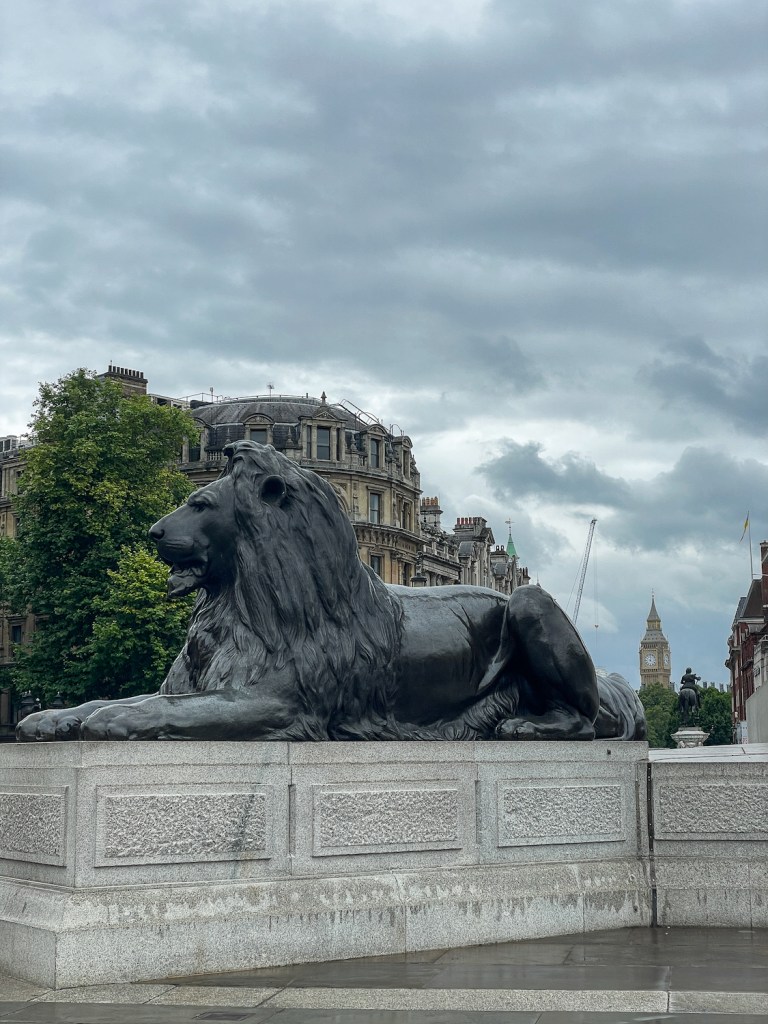
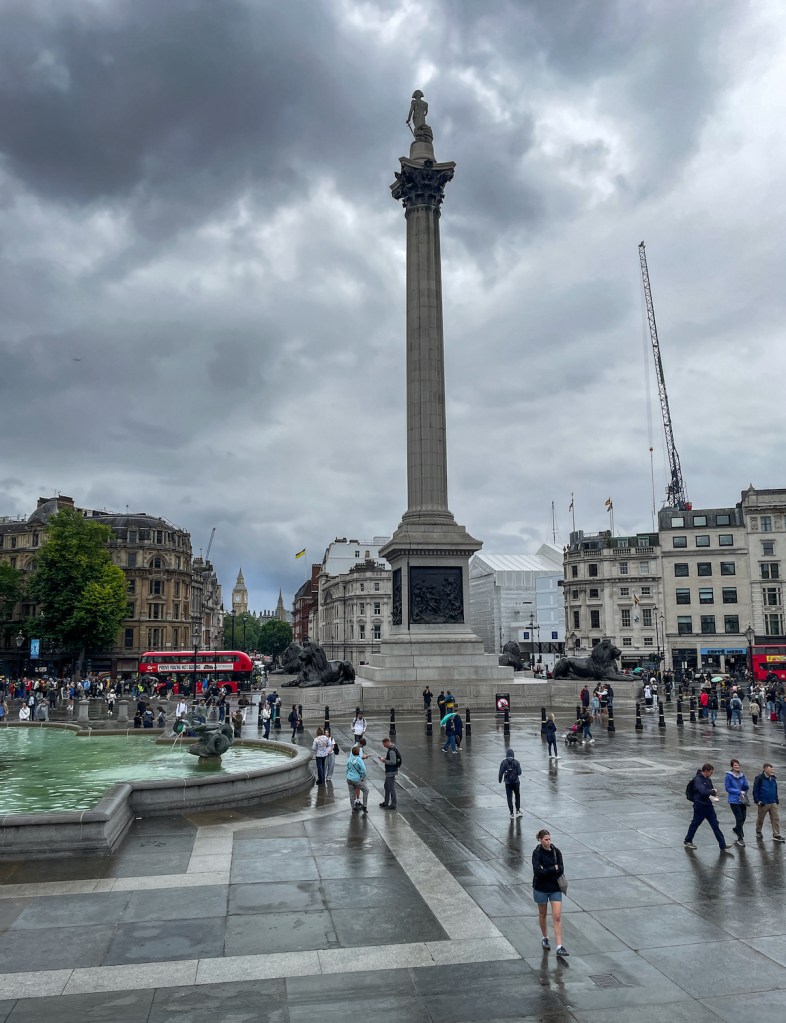
The square is bordered by two museums – the National Gallery and the National Portrait Gallery (free admission).
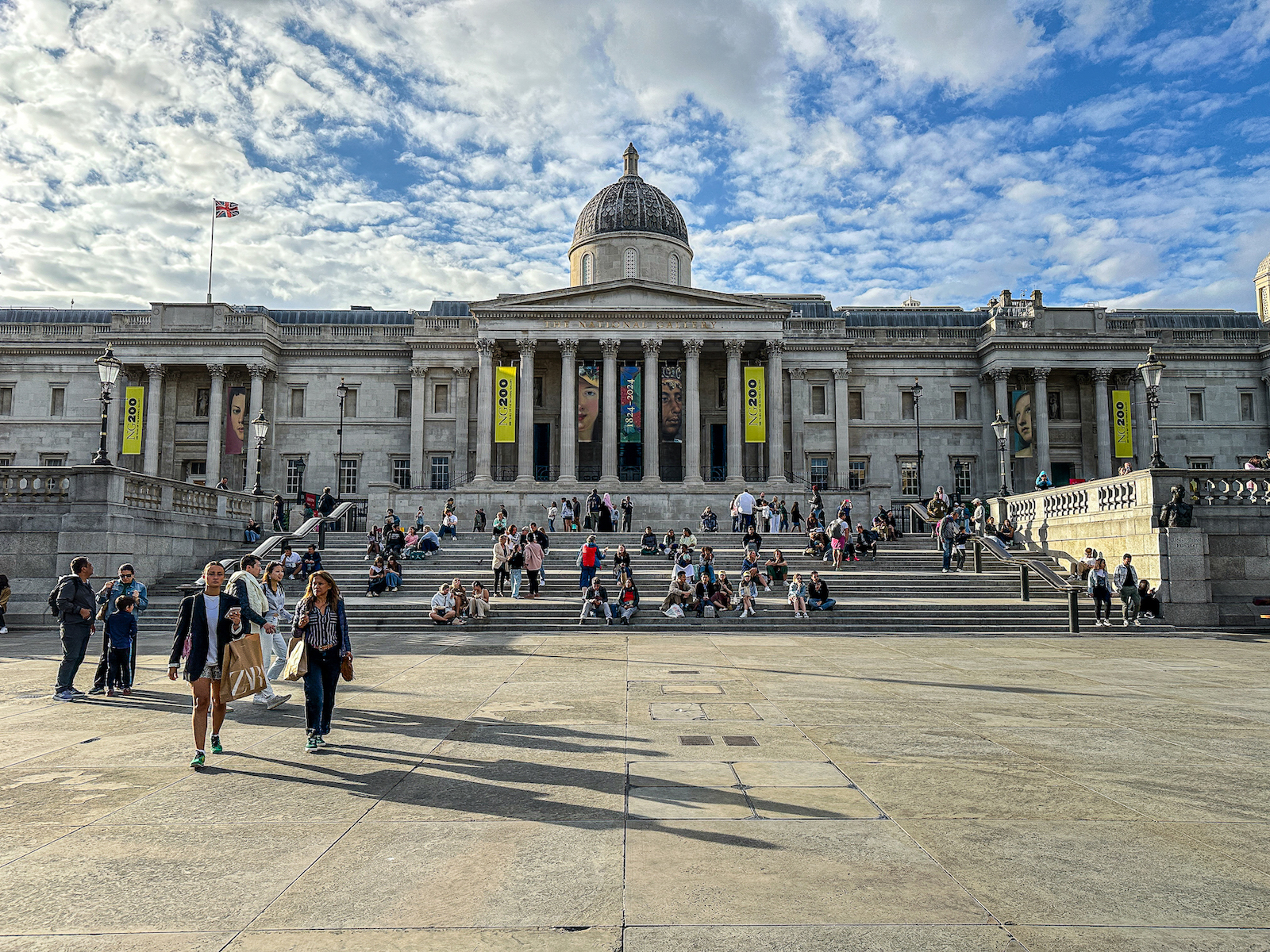
• The National Gallery
The National Gallery collection contains over 2300 works, spanning the principal periods in Western European art history, from Late Medieval art to Post-Impressionism.
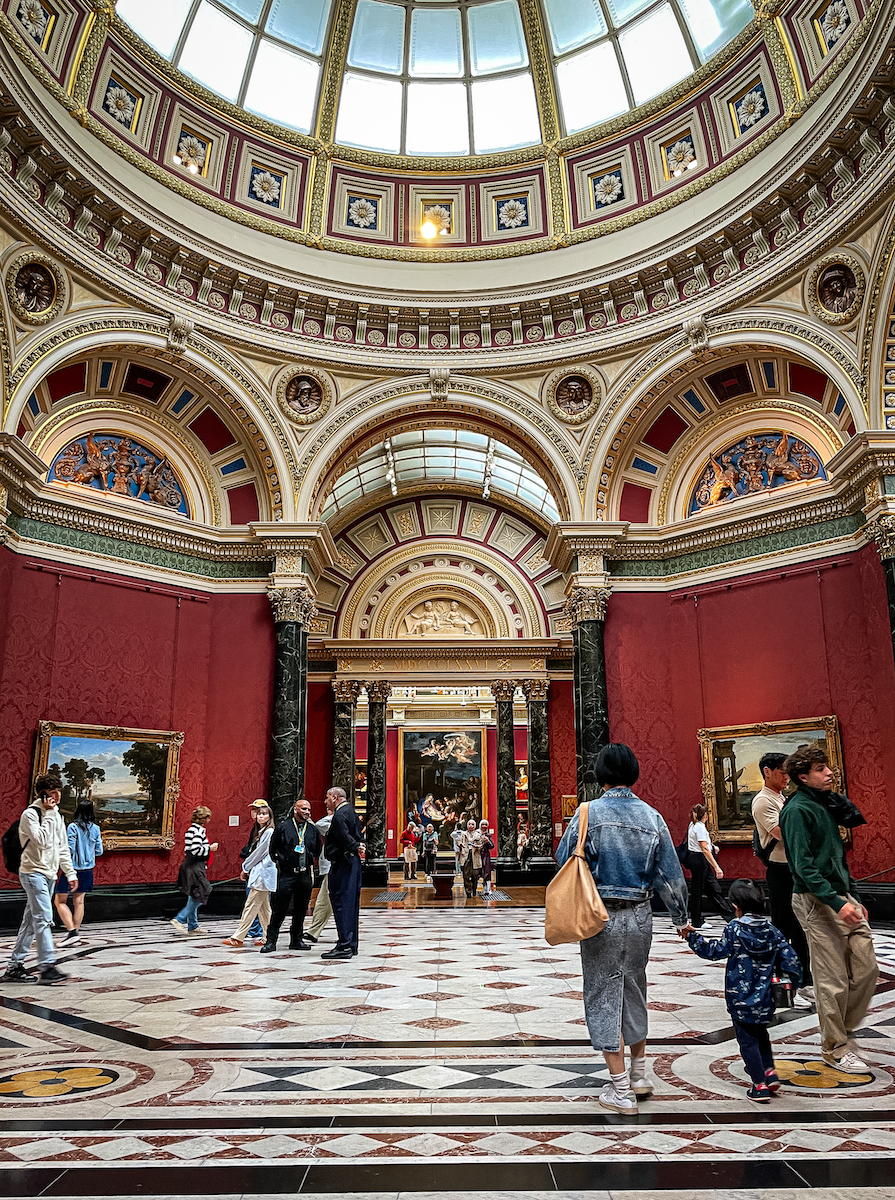
You’ll find numerous masterpieces here, such as The Arnolfini Portrait by Van Eyck, The Virgin of the Rocks by Da Vinci, Supper at Emmaus by Caravaggio, as well as Ulysses Deriding Polyphemus and Rain, Steam and Speed by Turner.
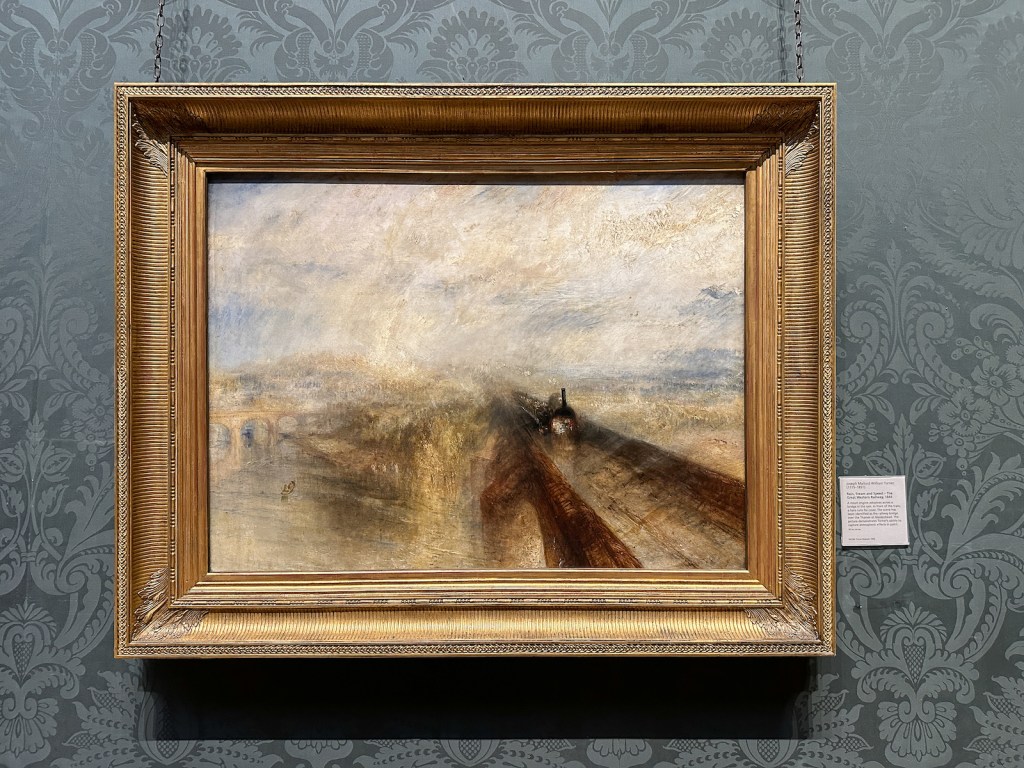
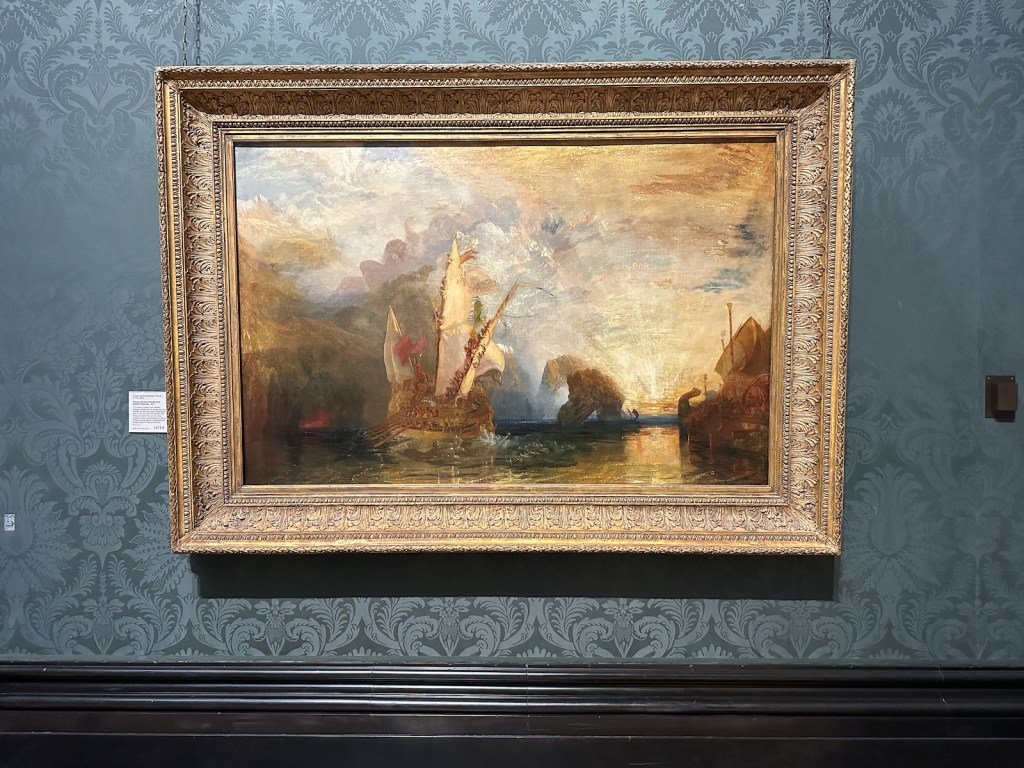
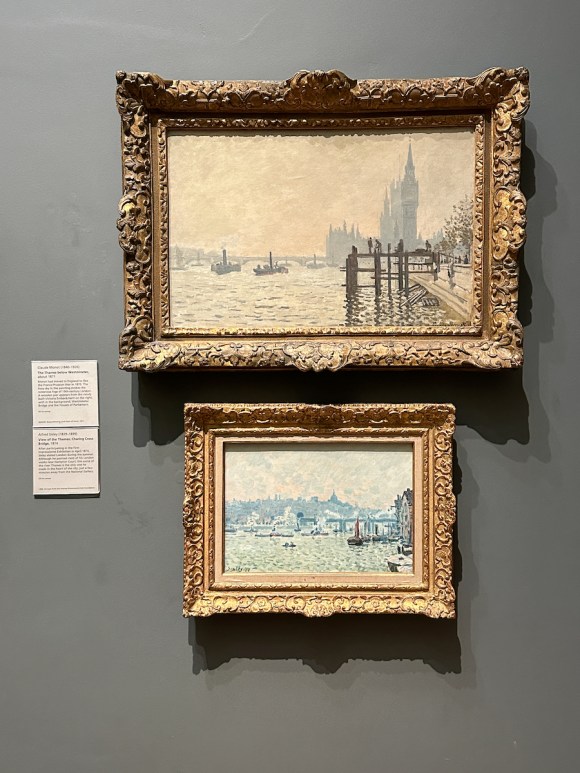
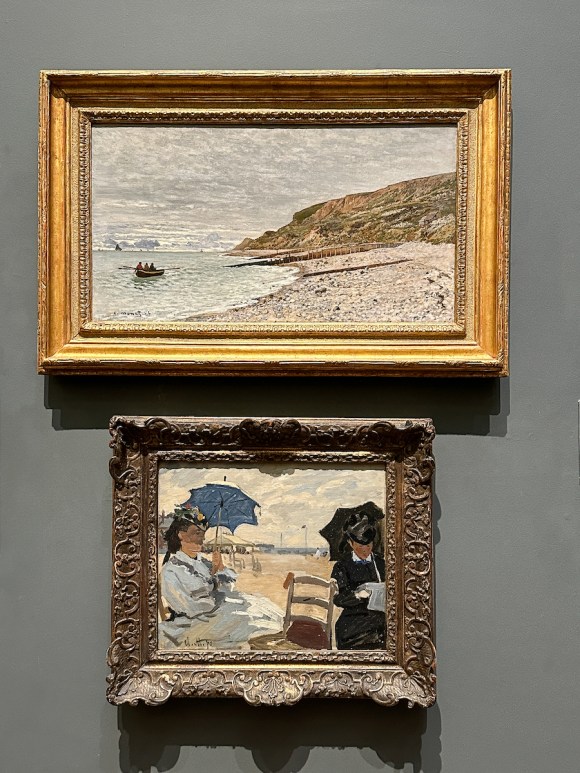
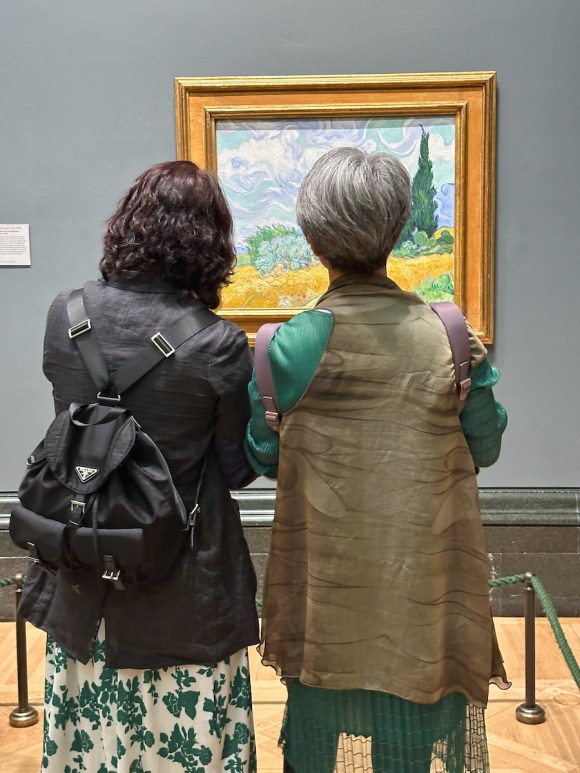
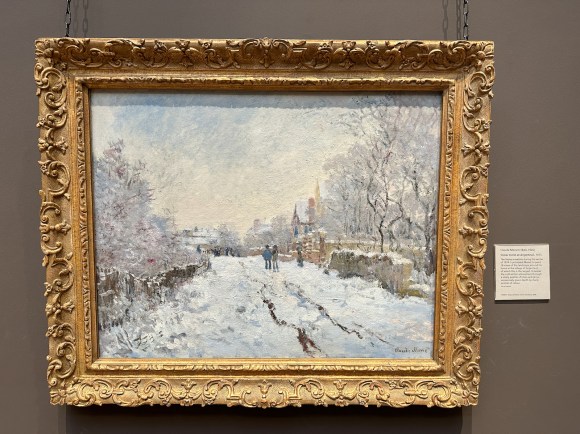
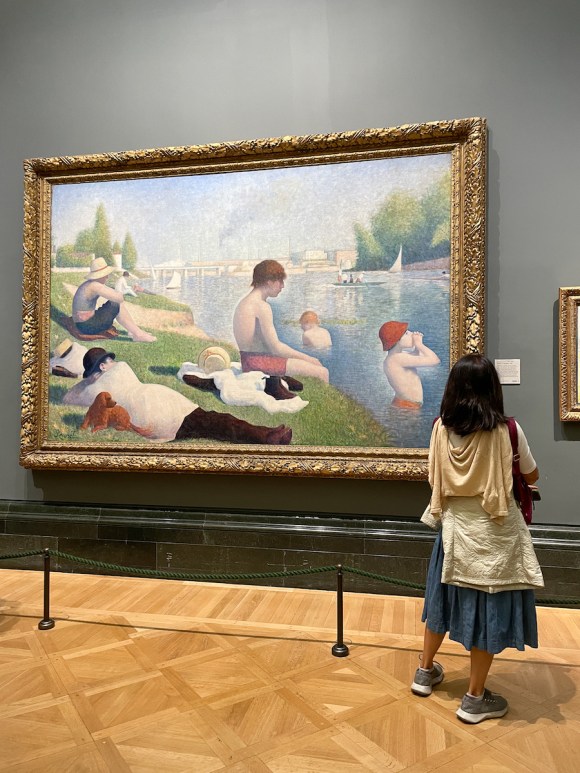
Our favorite rooms are those dedicated to the Impressionists and Post-Impressionists. Jérôme spent a long time contemplating A Wheat Field, With Cypresses; Sunflowers; and Van Gogh’s Chair by Van Gogh, The Gare Saint-Lazare and The Thames below Westminster by Monet, The Skiff by Renoir and Bathers at Asnières by Seurat. Admission to the museum is free (except for certain temporary exhibitions).


Covent Garden and Neal’s Yard
• Covent Garden
A lively neighborhood near Trafalgar Square, with its many theaters, shops, and restaurants, not to mention an array of buskers and street performers attracting curious onlookers all around Covent Garden Market.
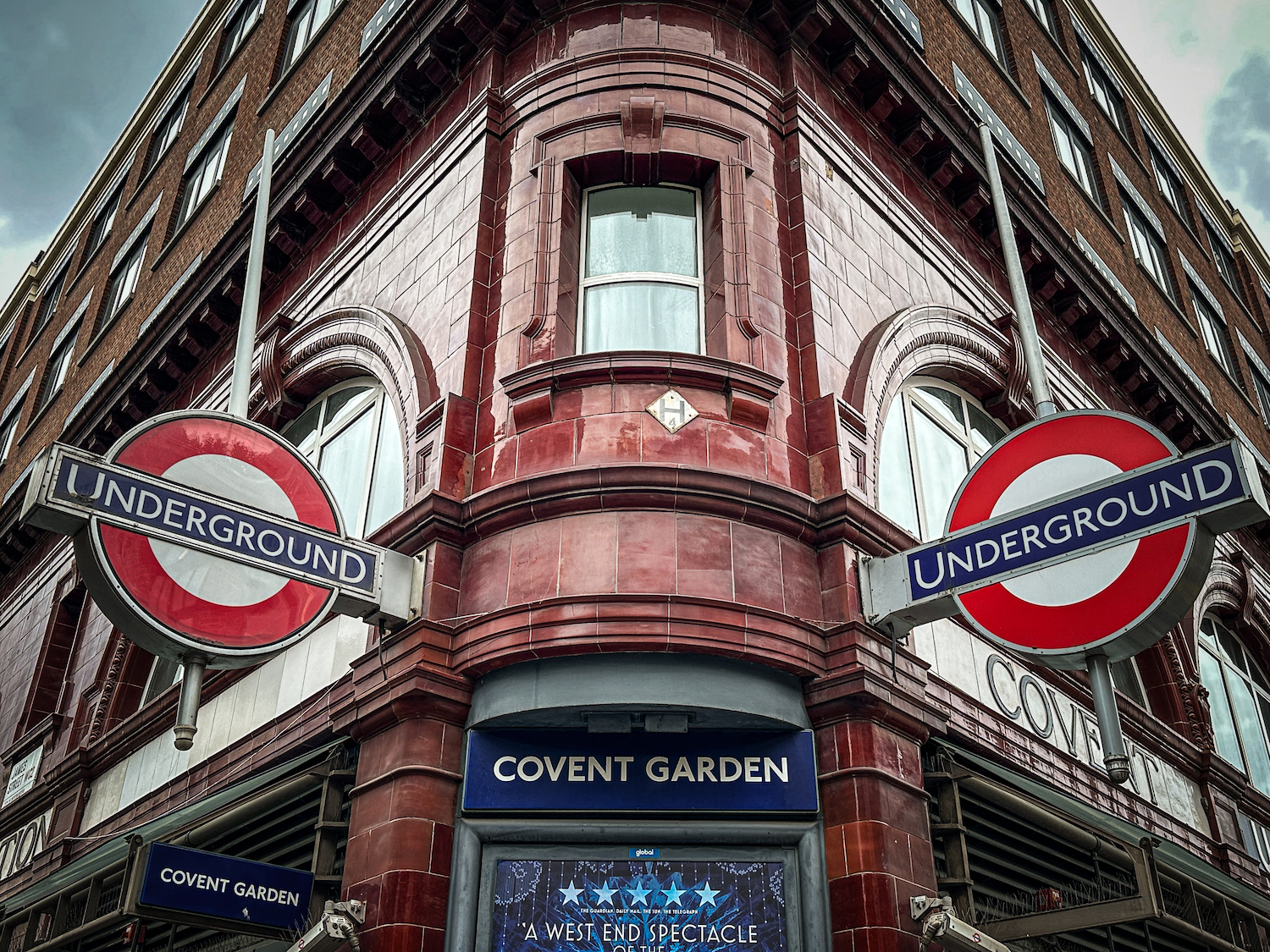
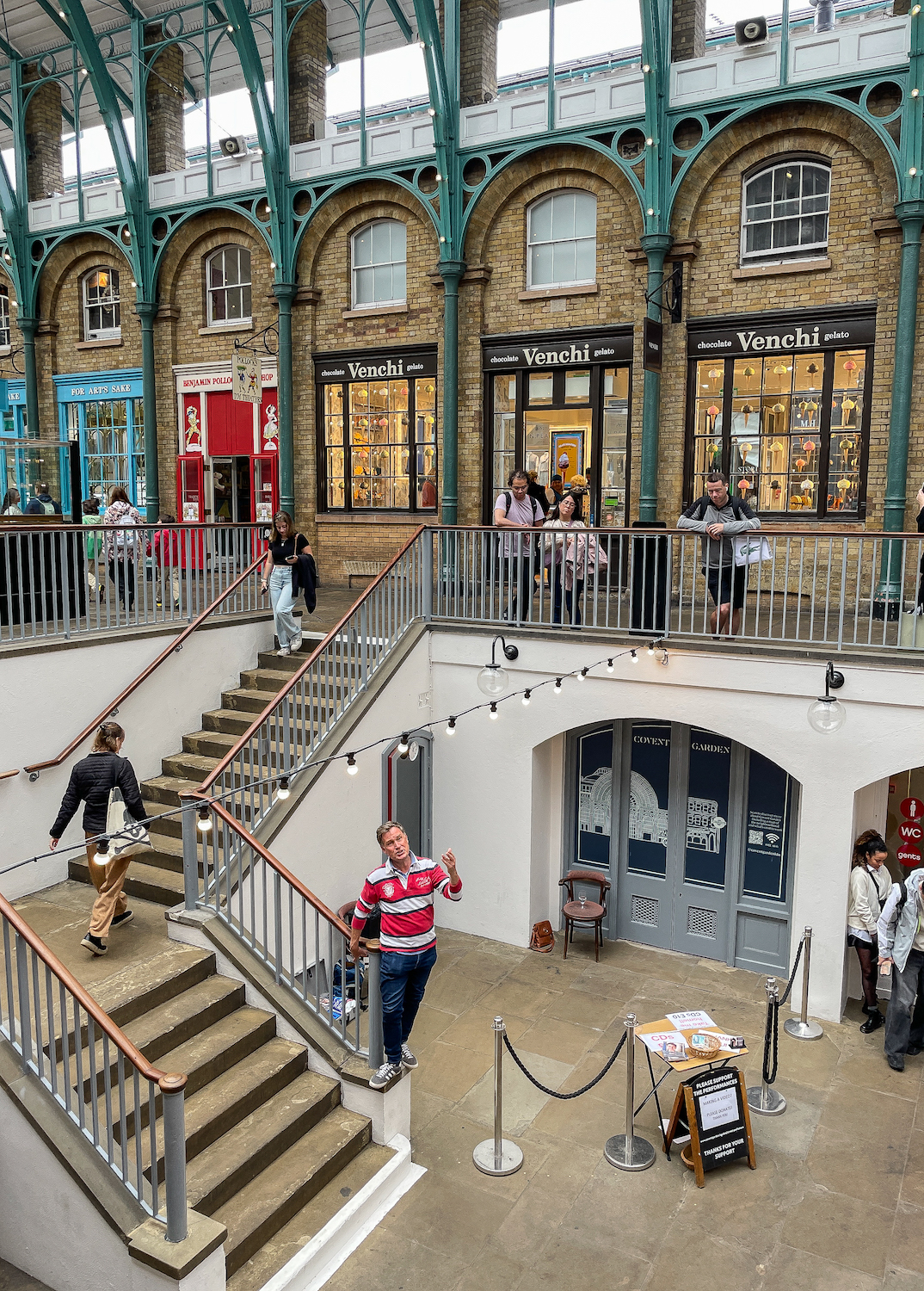
This covered market from 1830 owes its charm to its stunning glass roof, held up by verdigris arches.
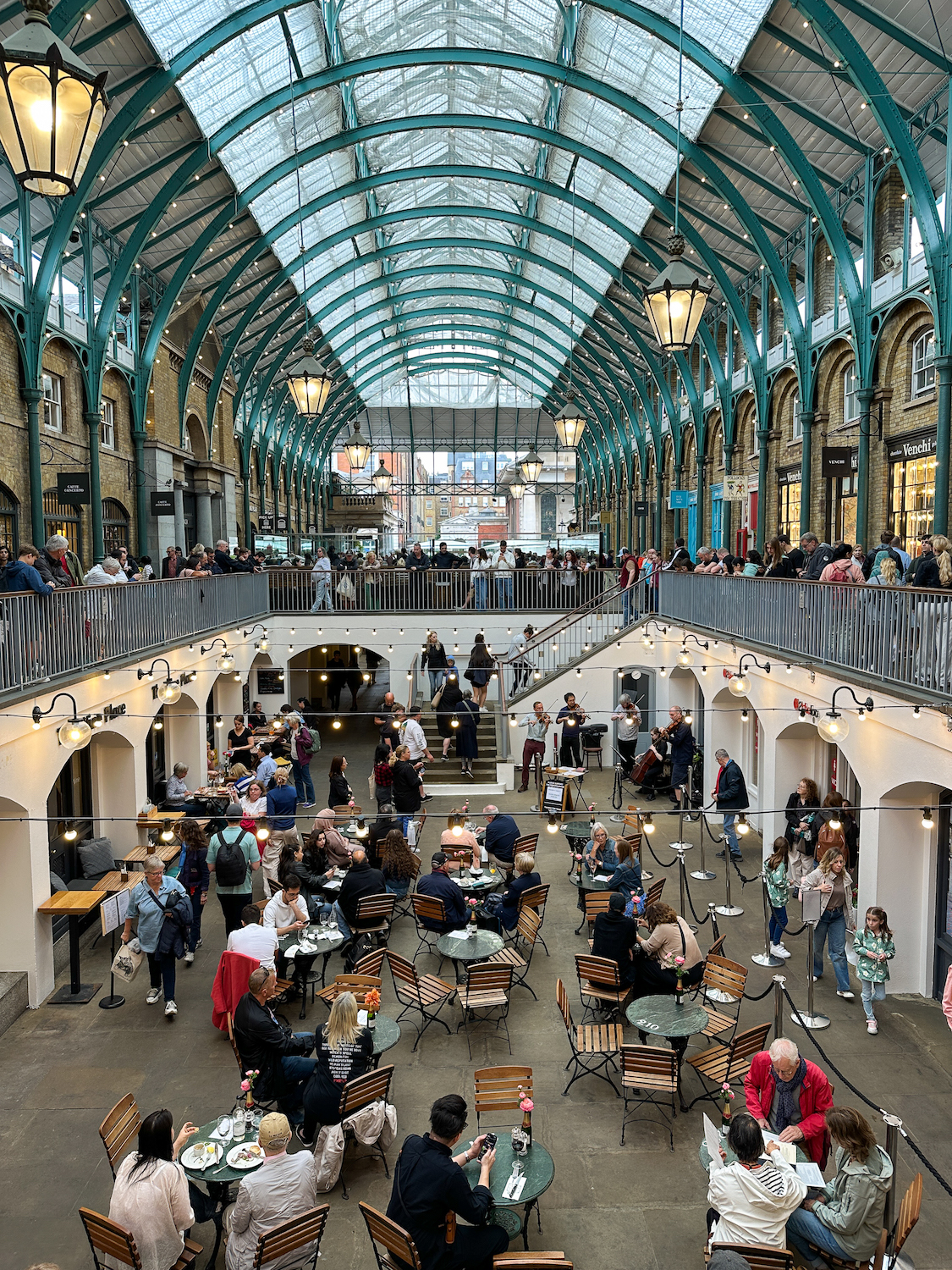
While we were visiting the market hall, an opera singer was performing an aria from the Barber of Seville for passers-by. His crystal-clear voice rose up to the skylight and filled the building with a lyrical atmosphere.
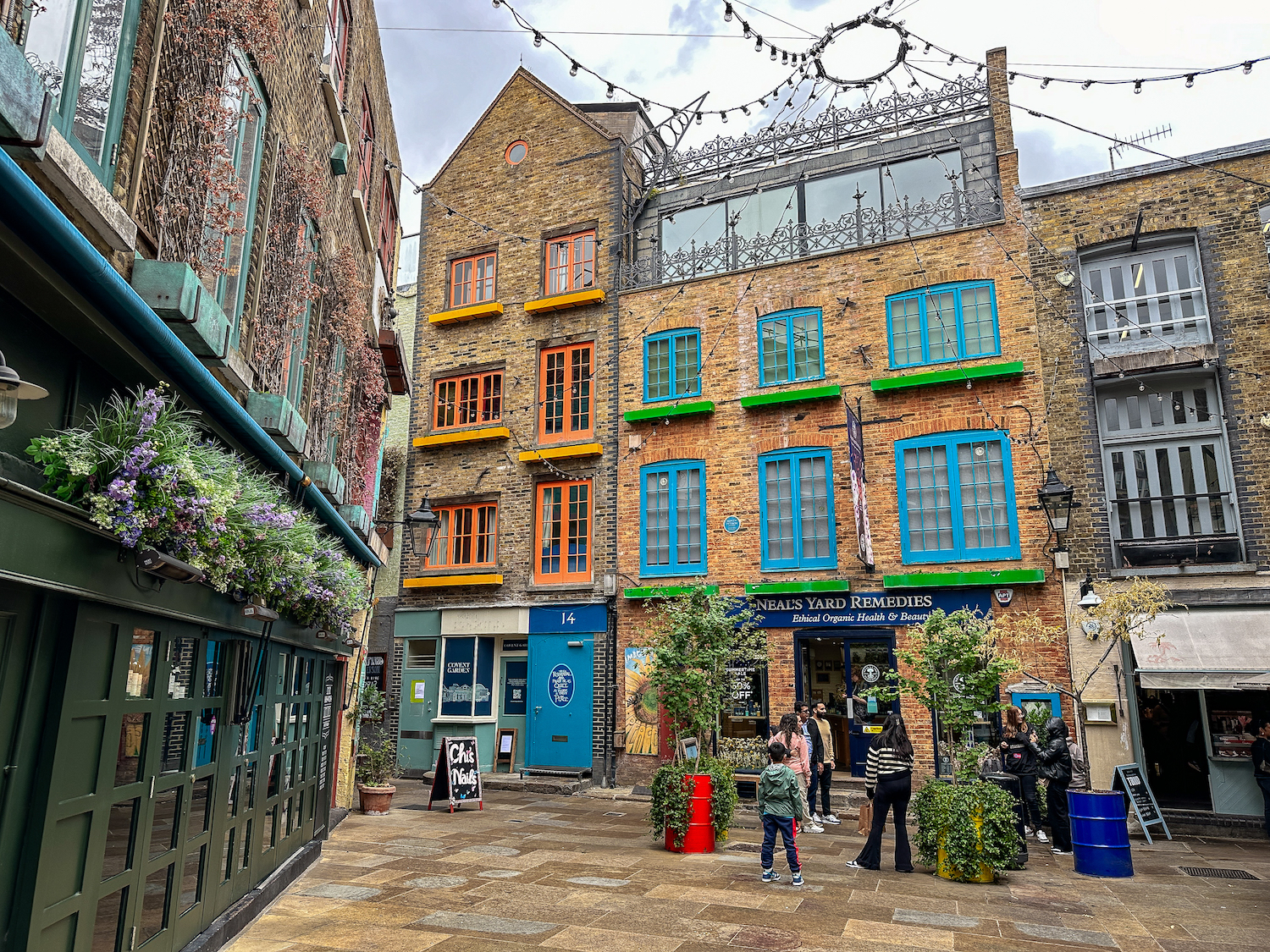
• Neal’s Yard
A hidden courtyard just a 5-minute walk from Covent Garden Market. We love the calm and pleasant atmosphere here, as well as the colorful façades of the buildings.
• Seven Dials Market
This food court, located just a stone’s throw from Neal’s Yard, houses numerous stalls offering street food from different international cuisines – Japanese, Syrian, Mexican, Indian, Chinese, Uzbek, American, Italian… You can order your meal to take away or enjoy it in one of the seating areas.
Shoreditch, Brick Lane and Spitalfields
• Shoreditch
An alternative, creative and laid-back neighborhood in East London, well-known for its street art, many vintage shops, and eclectic markets.
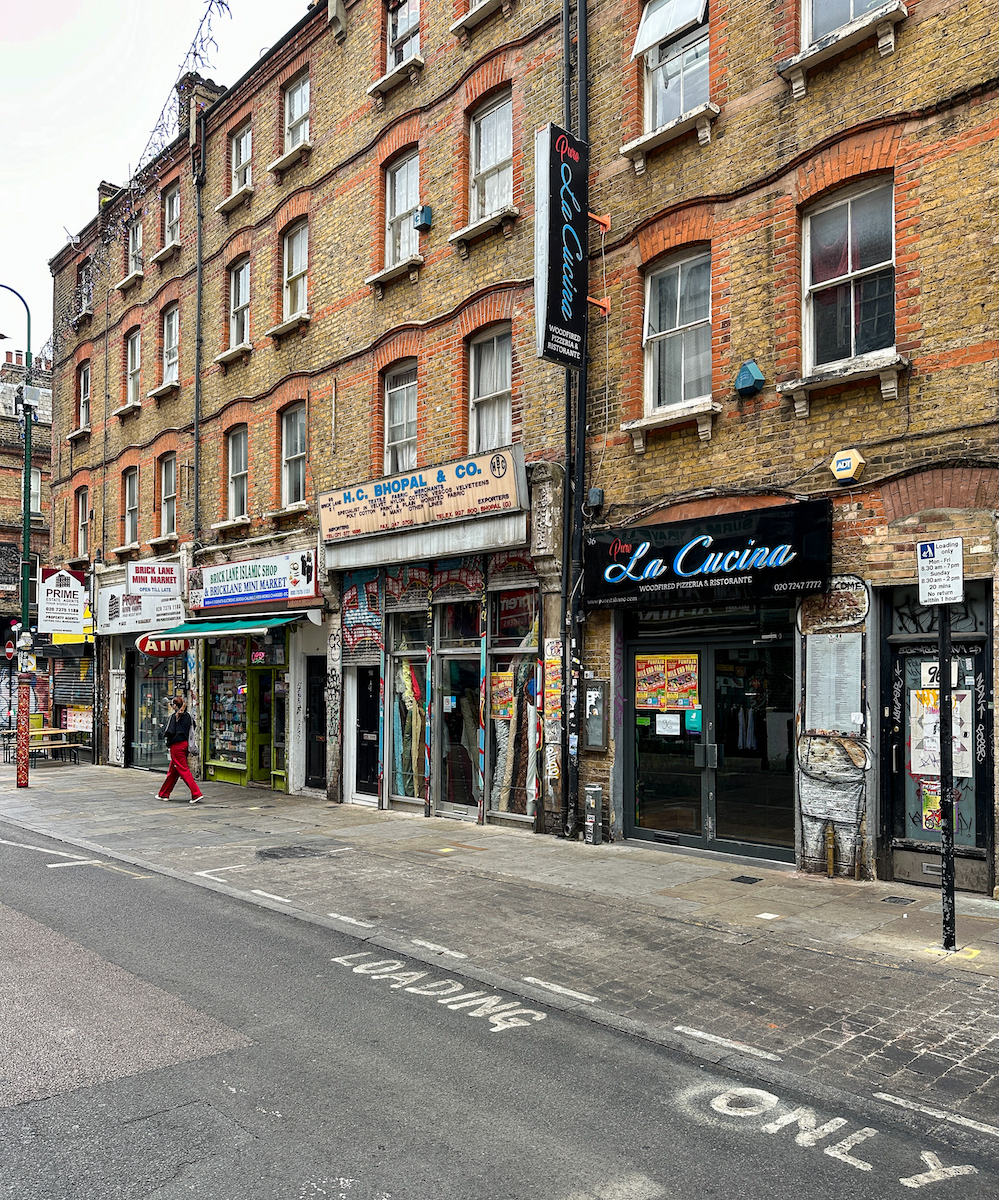
This was originally a working-class neighborhood, before undergoing intense gentrification in recent years. Shoreditch is the perfect area to wander around, bargain-hunt, and have a snack.
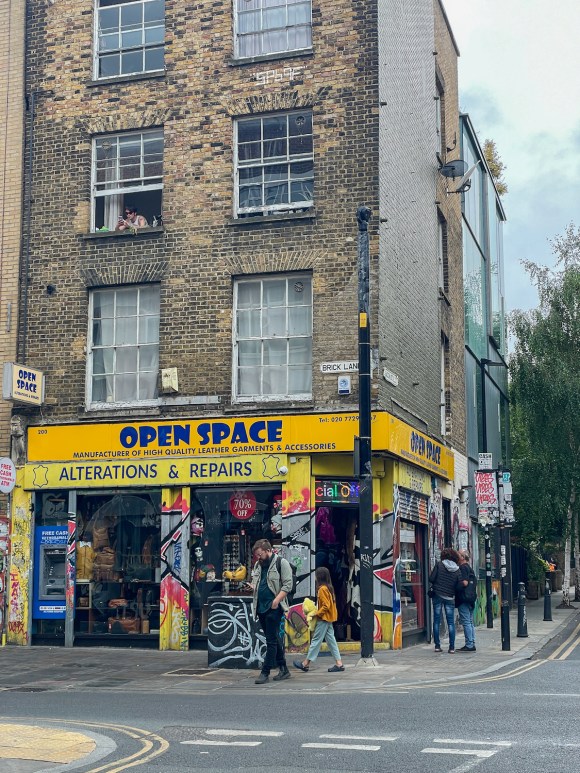
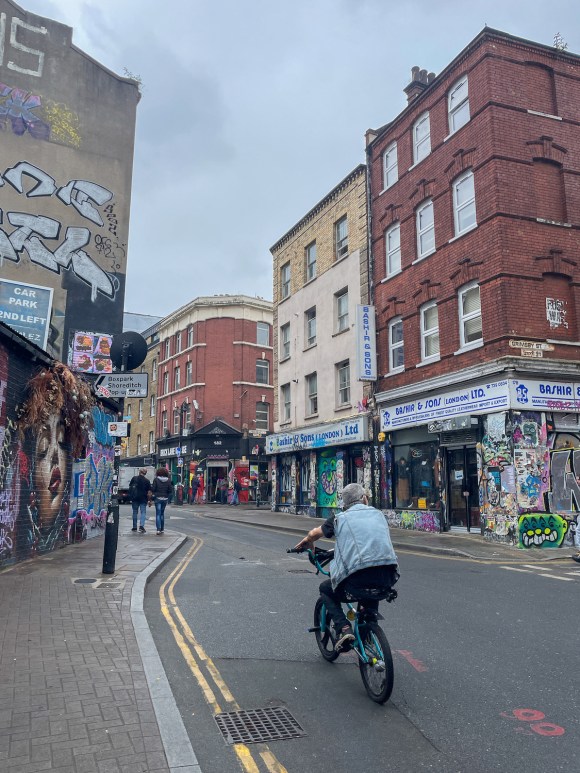
• Brick Lane
Brick Lane is a street stretching over 1,2 km, through Shoreditch. It was named after the brick kilns brought to the area by early Flemish immigrants. In the 1990s, a large part of London’s Bengali community settled in Brick Lane, creating the concept of Banglatown. In addition to the many curry houses on this street, you will find bars, street food restaurants, and a market located in an old brewery, recognizable by its towering brick chimney stack.
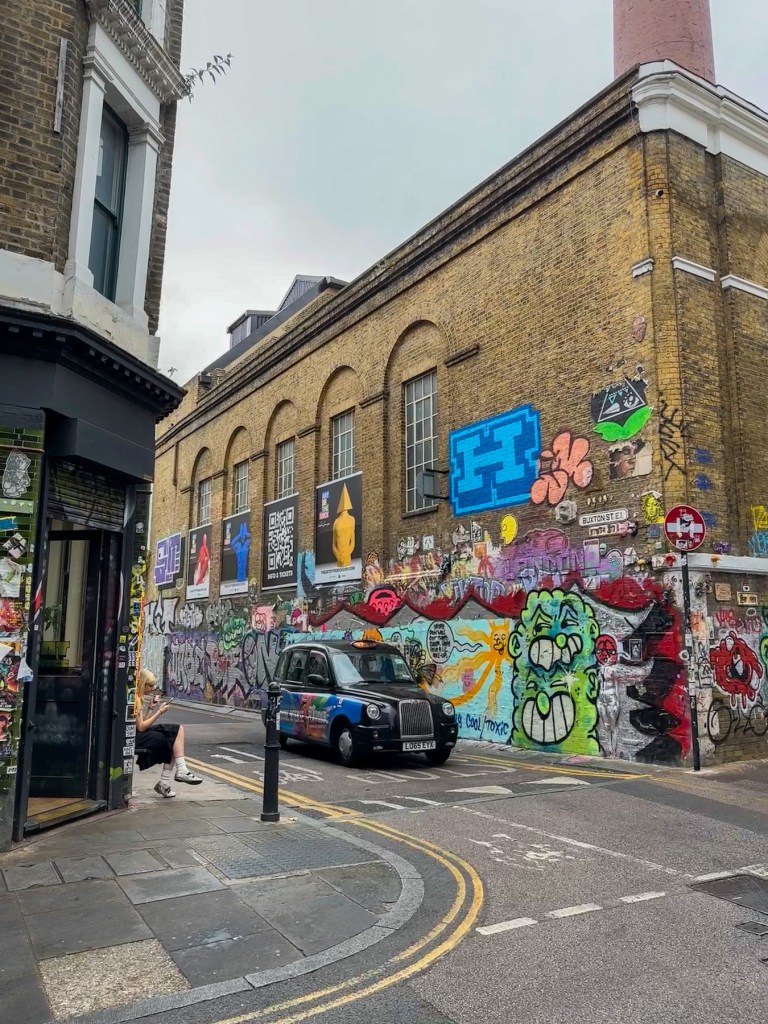
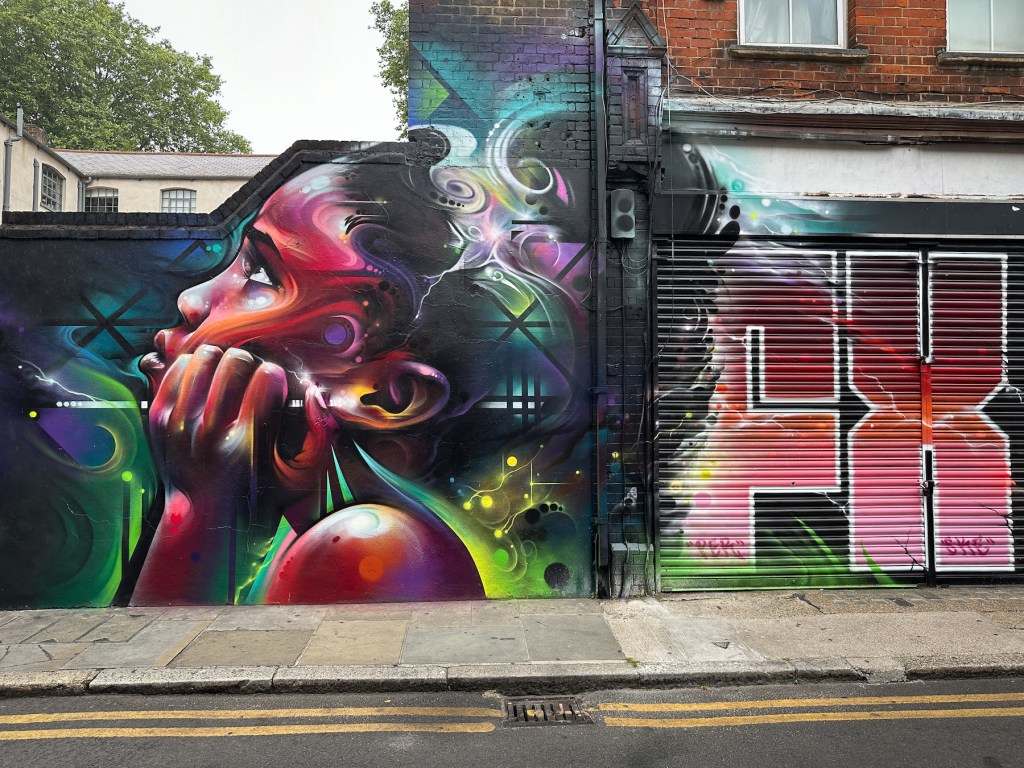
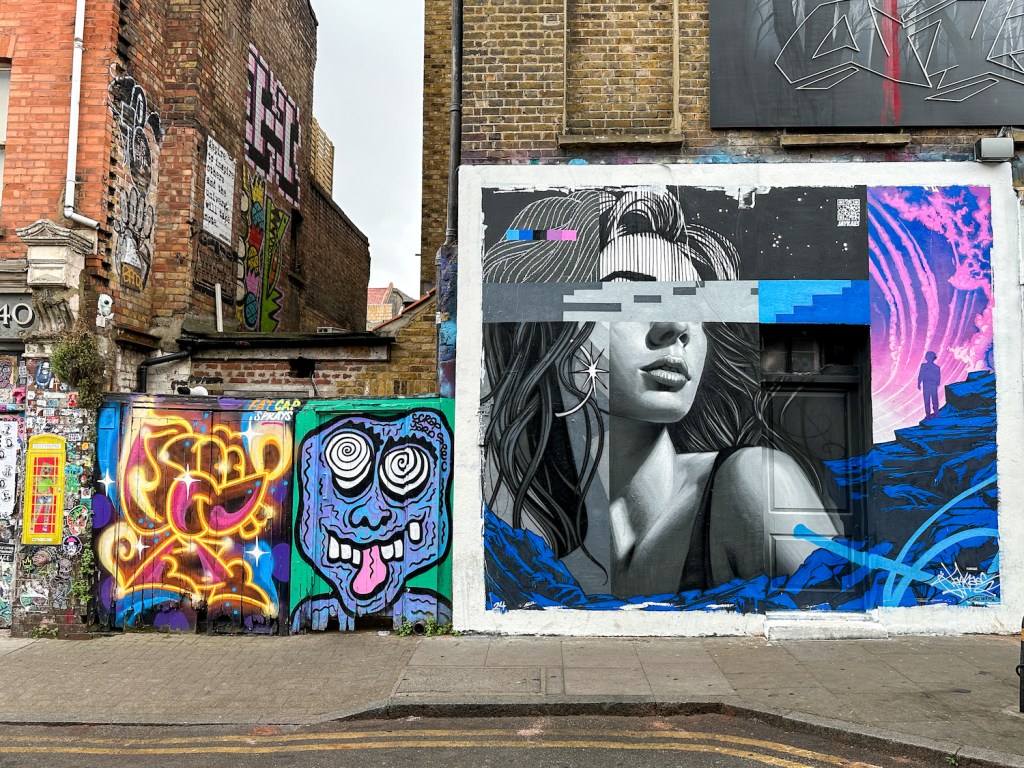
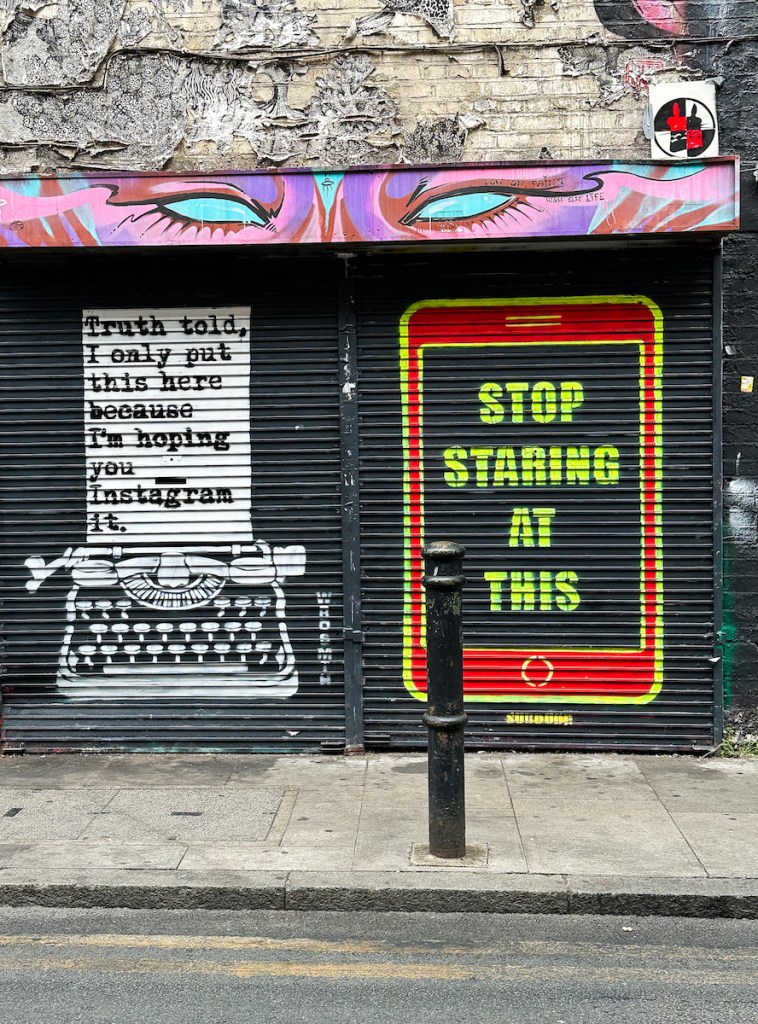

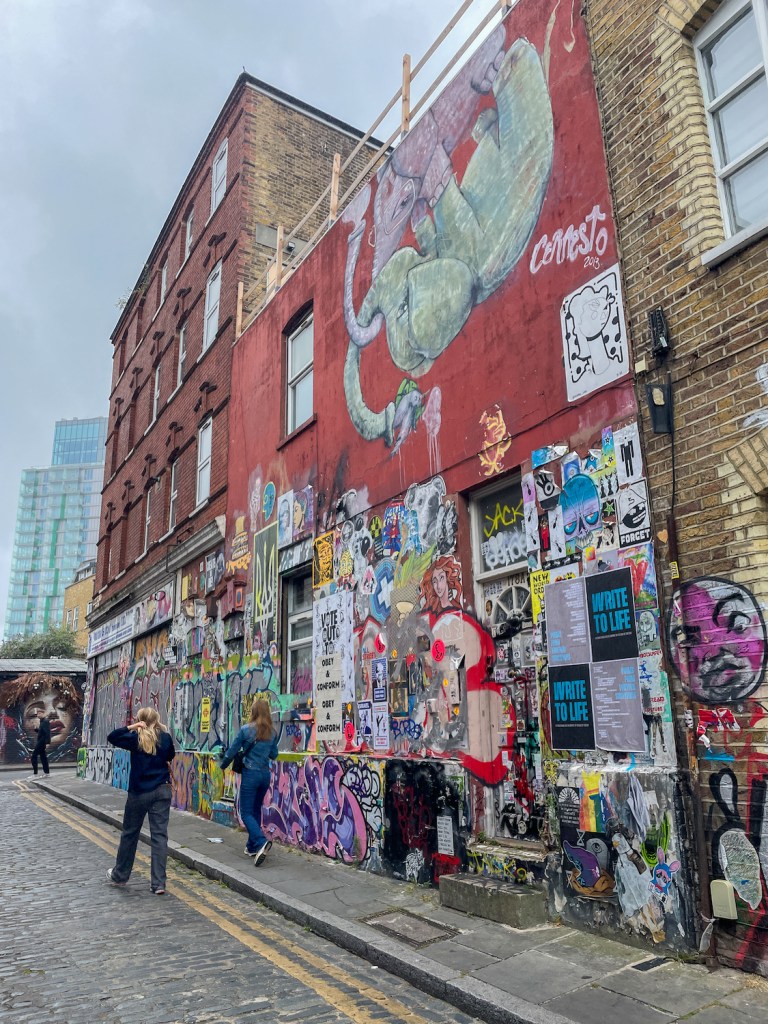
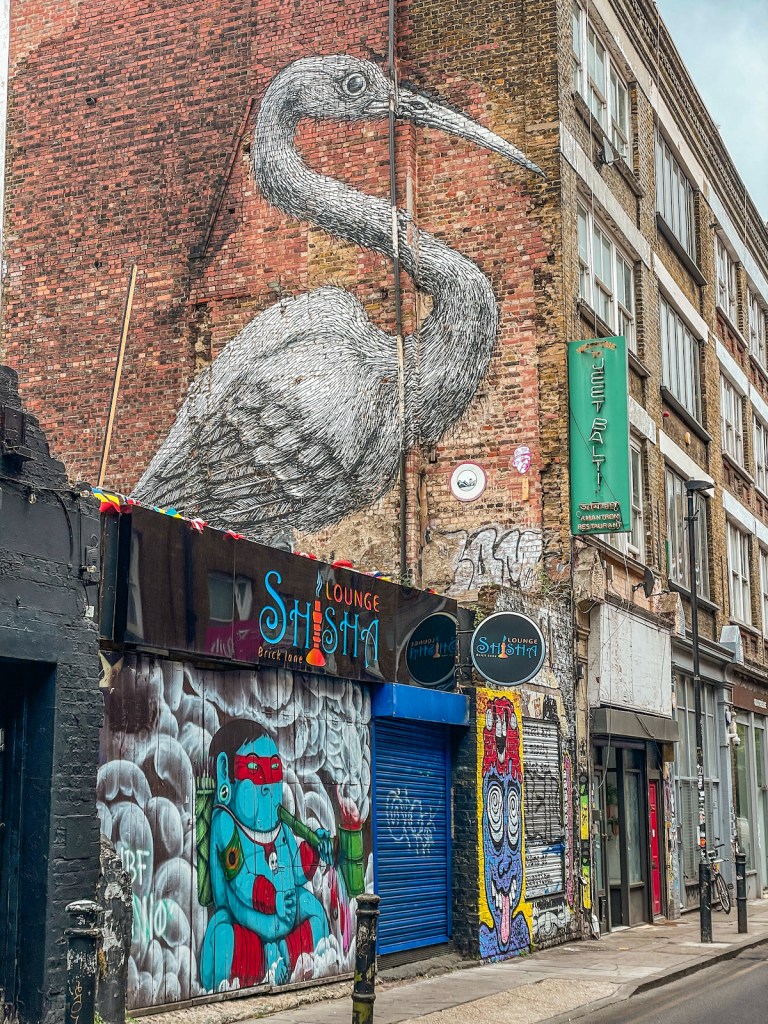
Brick Lane is very lively and quite crowded on the weekends, but rather calm on weekdays.
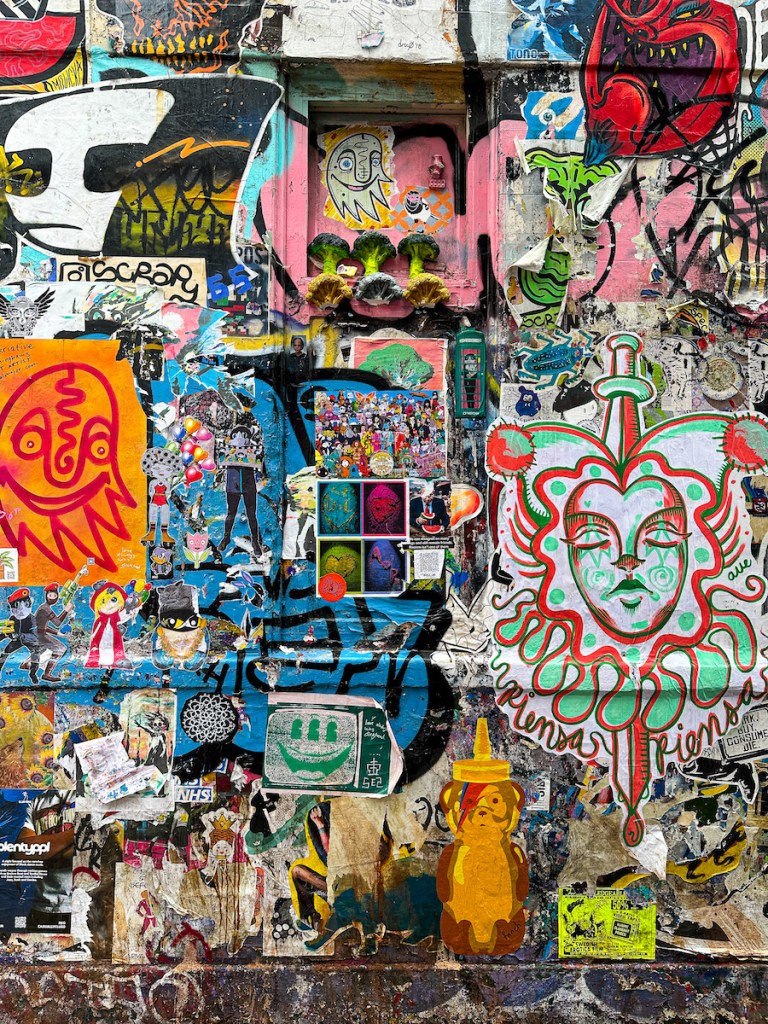
If you’re a street art lover, have a wander along the streets around Brick Lane and elsewhere in Shoreditch. There are artworks and murals to be found all over the neighborhood.
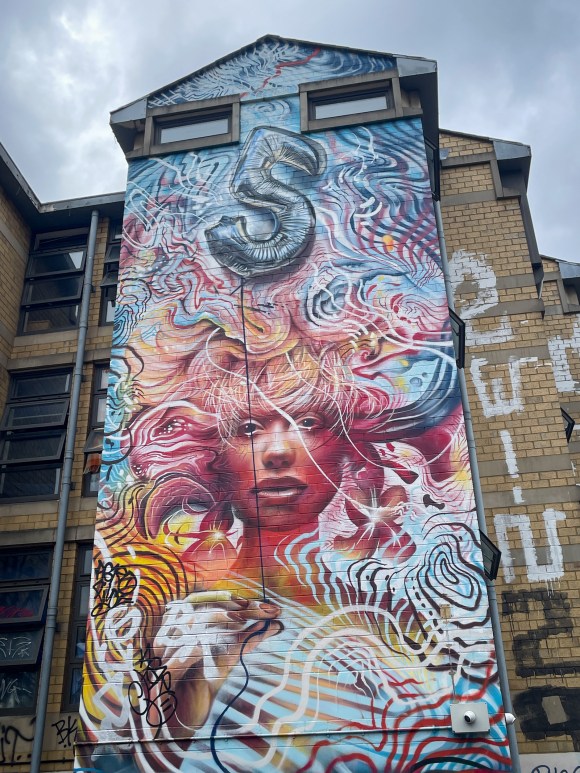

Walking around Shoreditch felt like a treasure hunt or a safari – we kept looking for street art pieces that would catch our attention, or that we found striking or touching.
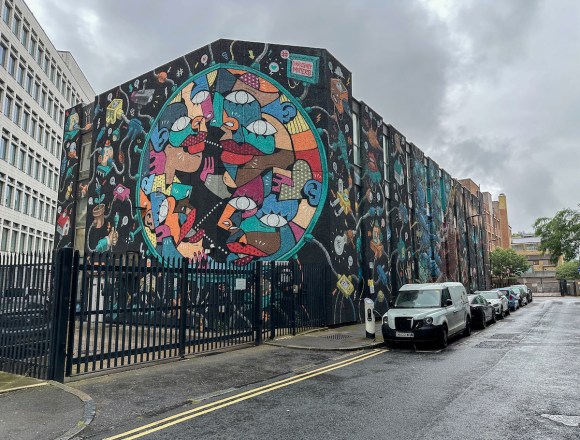
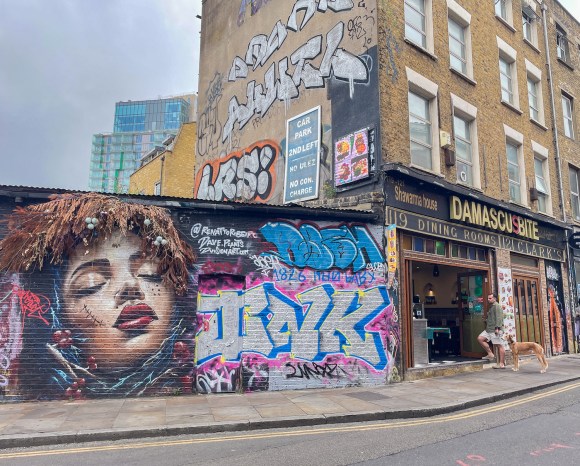

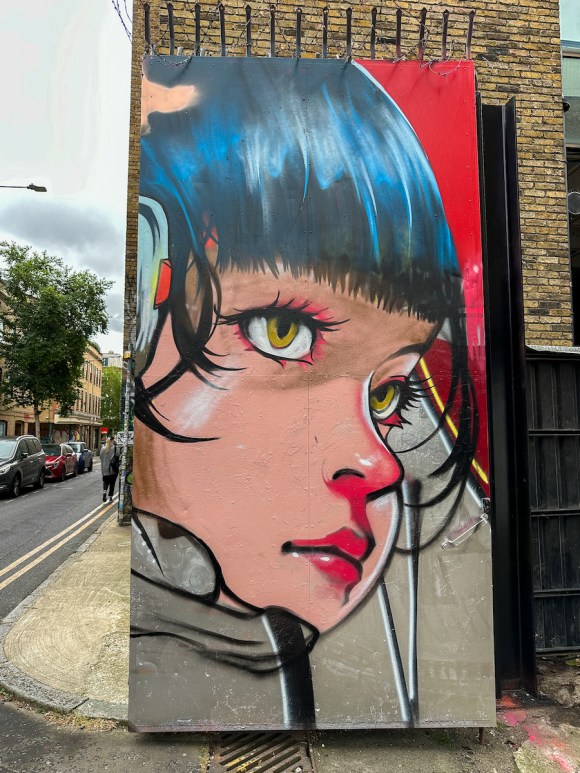
Street art is an inherently fleeting art form. The artwork will progressively deteriorate from being exposed to the elements, before being covered up by new art. Some of the murals that we had enjoyed and remembered from our last visit to Shoreditch a few years ago, are no longer visible today.
• Old Spitalfields Market
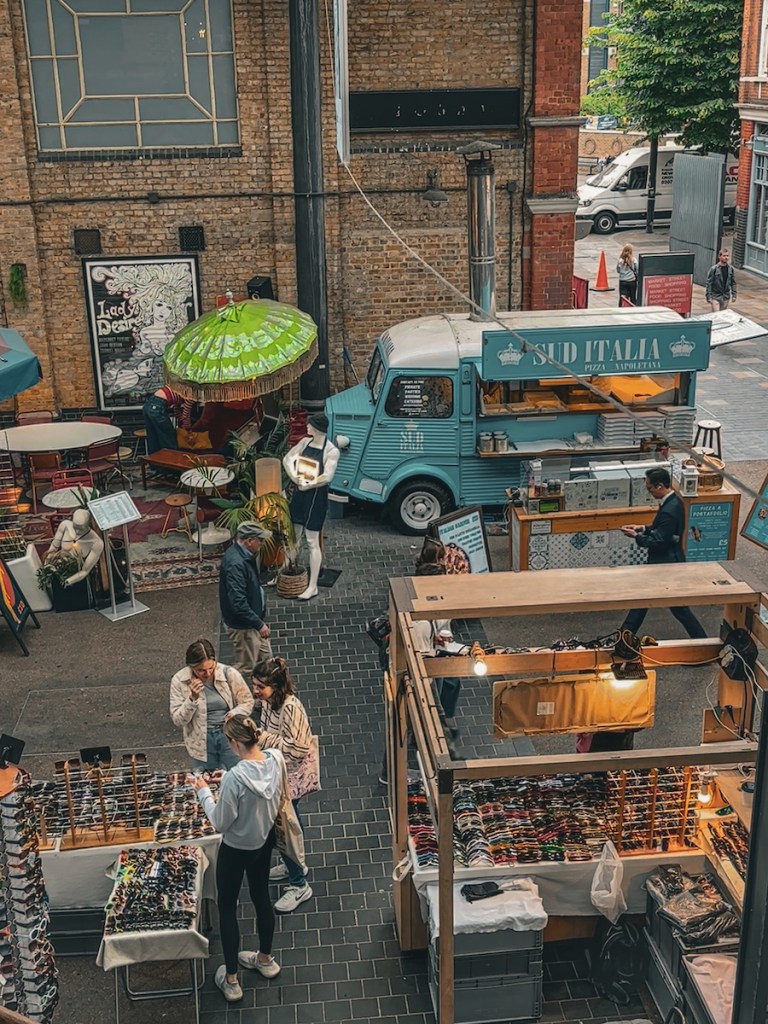
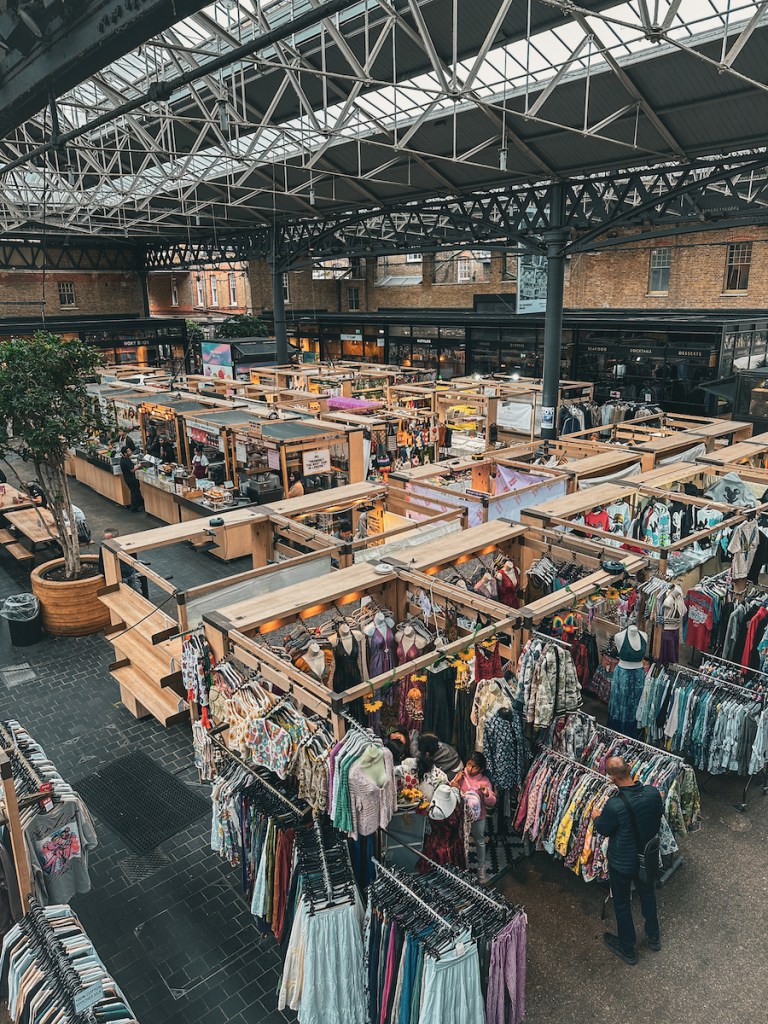
Located in Shoreditch, Old Spitalfields Market is one of the most beautiful and well-preserved covered markets from the Victorian era that are still in activity. What was initially a fruit and vegetable market now houses independent shops, local artisans selling their products, cafés, and street food stalls.
Hyde Park and Regent’s Park
A third of the surface area of London is made up of green spaces. Hyde Park and Regent’s Park are two of the most beautiful parks in the city.
• Hyde Park
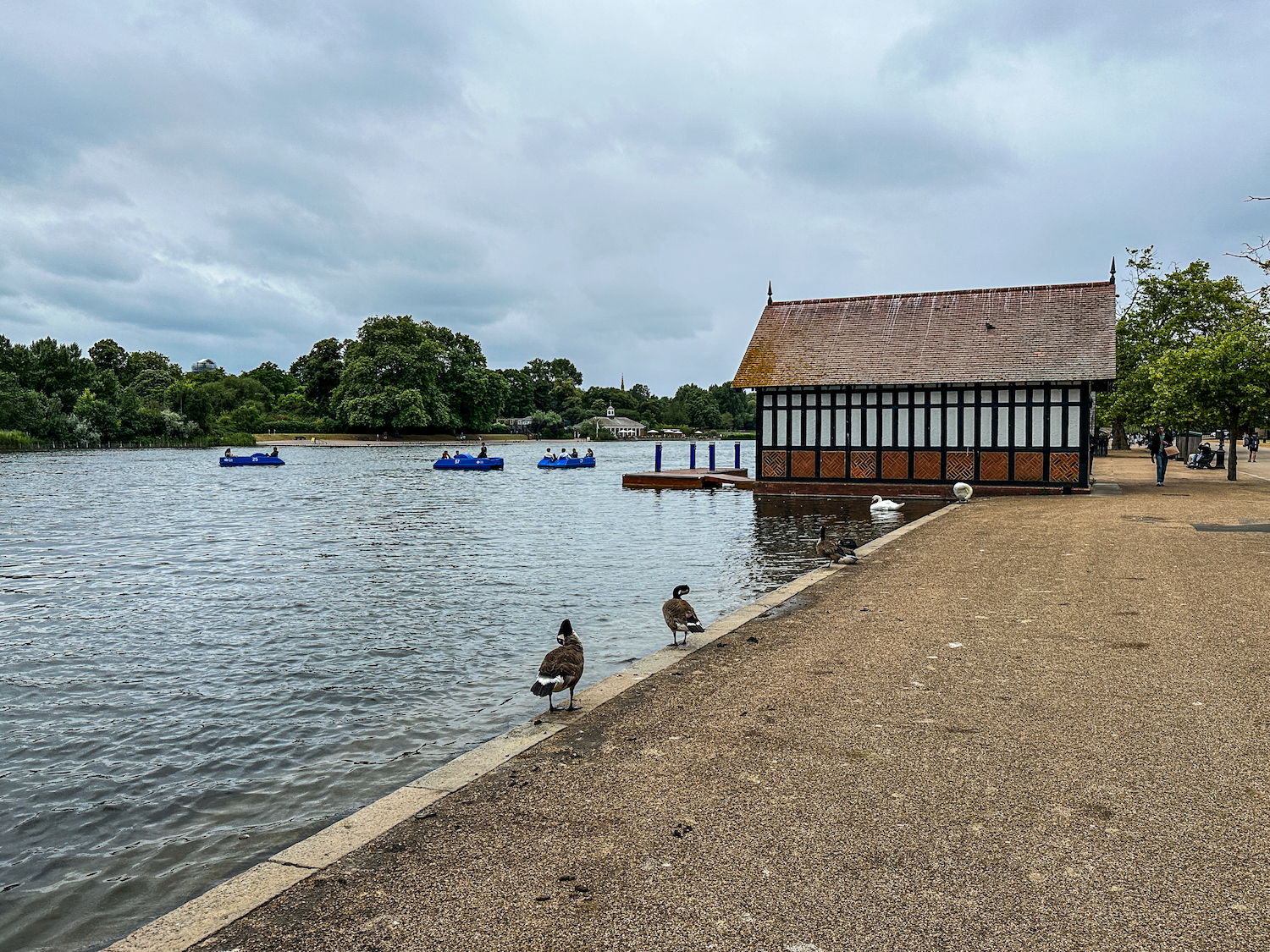
Before opening to the public in 1637, Hyde Park served as hunting grounds for the royal family. Cultural and sporting events (concerts with international artists, races, a Christmas Market…) are hosted here all year round. This 142-hectare (350 acres) park is ideal for a walk or a bicycle outing, a picnic, or taking a boat on the Serpentine, the vast artificial lake in the center of the park.
• Regent’s Park
In the 19th century, Regent’s Park was to be converted from a royal deer park into the grounds for the Prince Regent’s summer residence. While the summer palace was never built, the gardens and elegant, tree-lined paths remained, and the park was opened to the public in 1835.
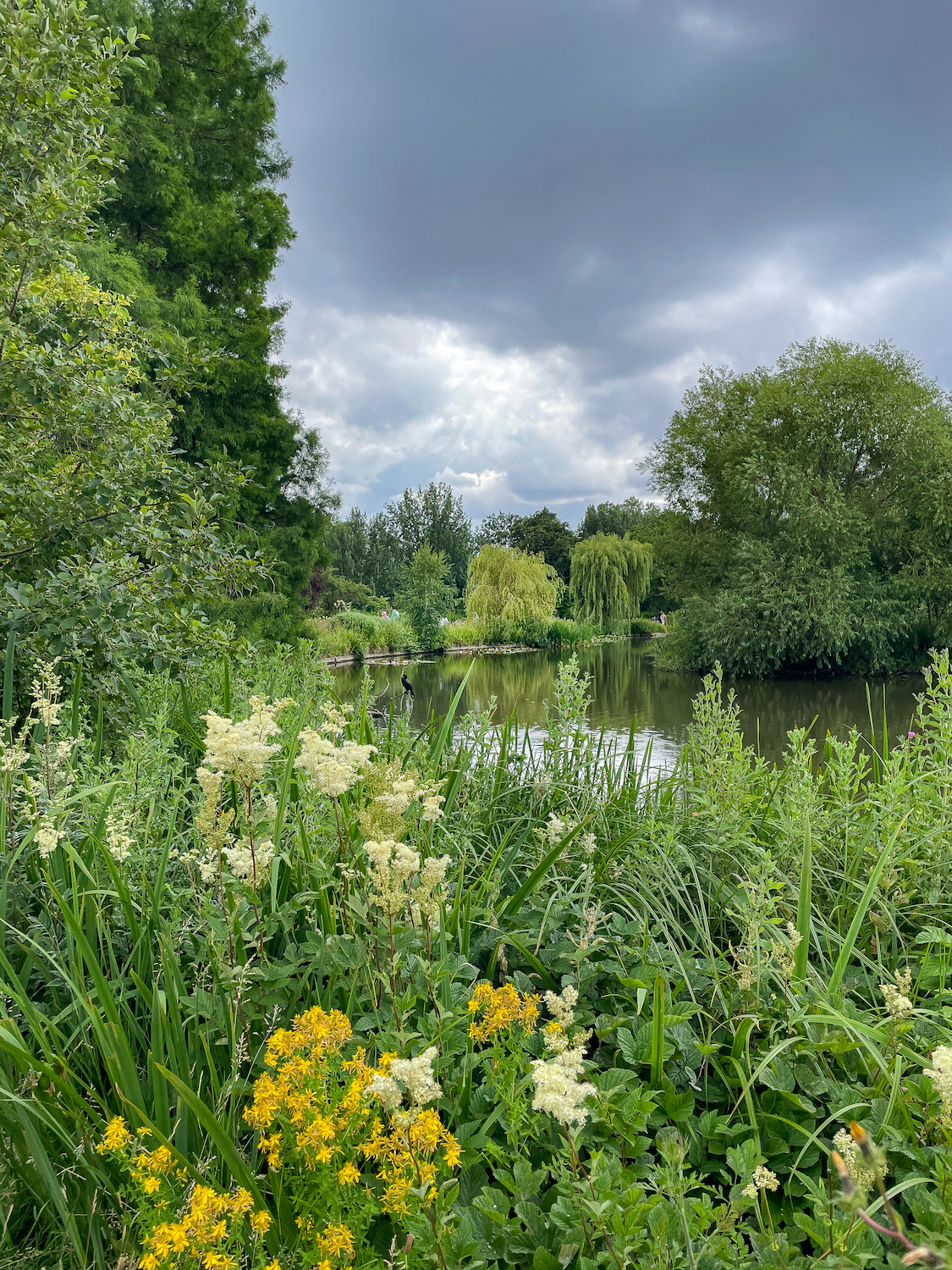
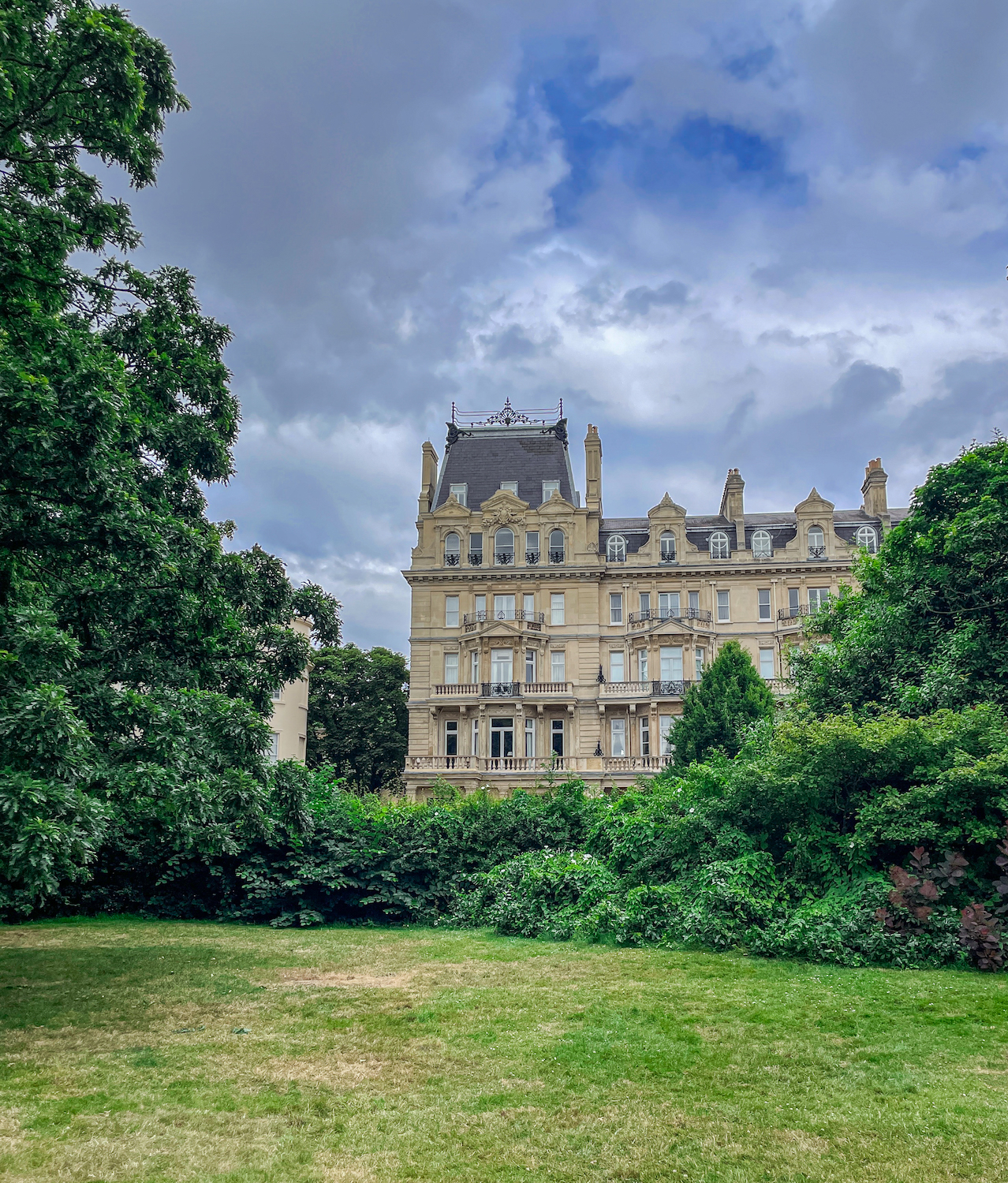
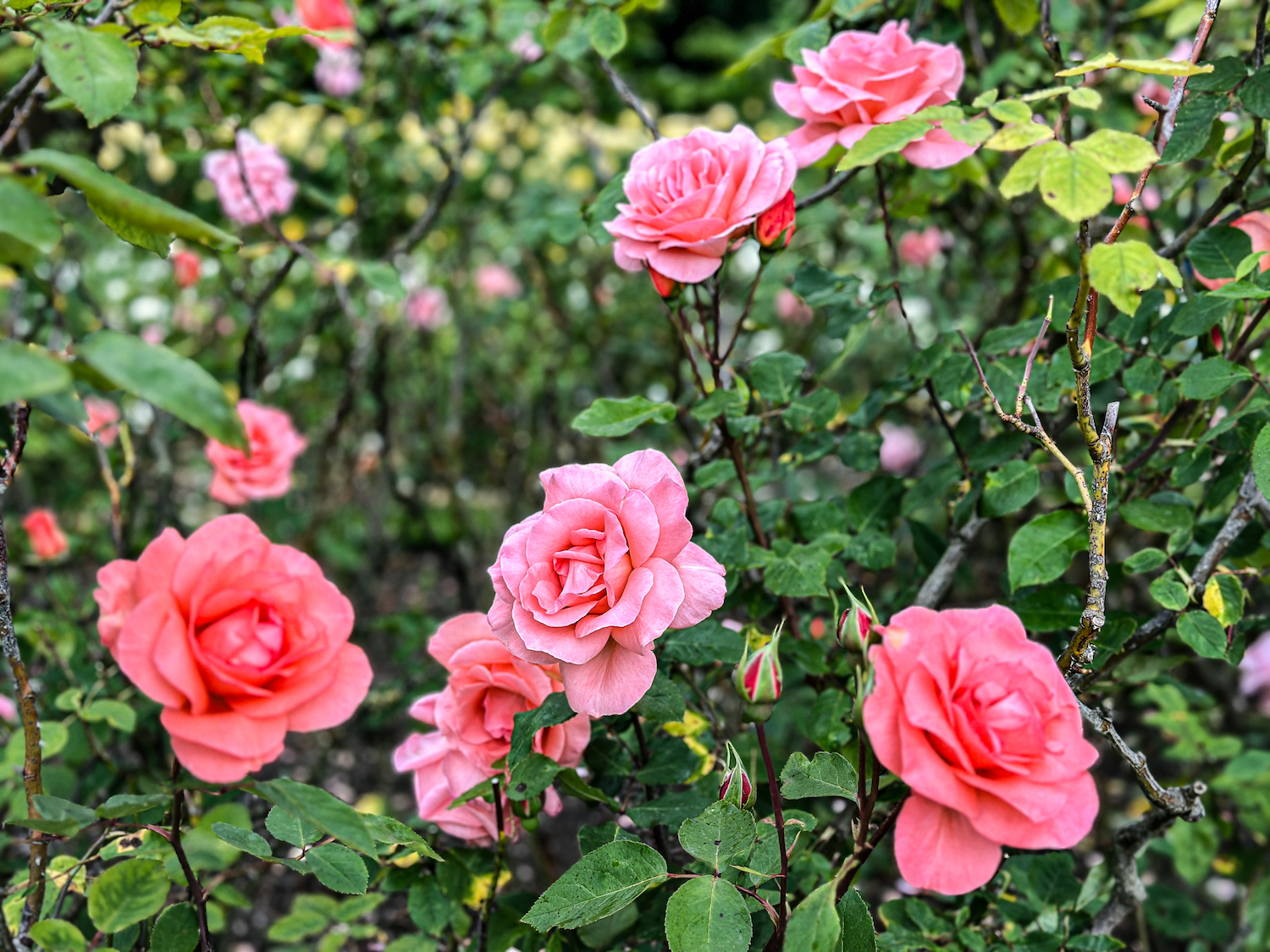
Today, Regent’s Park is home to London Zoo, a large number of grass pitches and other sports facilities (for football, tennis, cricket, rugby…), the oldest open-air theater in the country, and 6 gardens – such as the rose garden with its 40 000 roses.
Coal Drops Yard and Regent’s canal
• Coal Drops Yard (Stable Street)
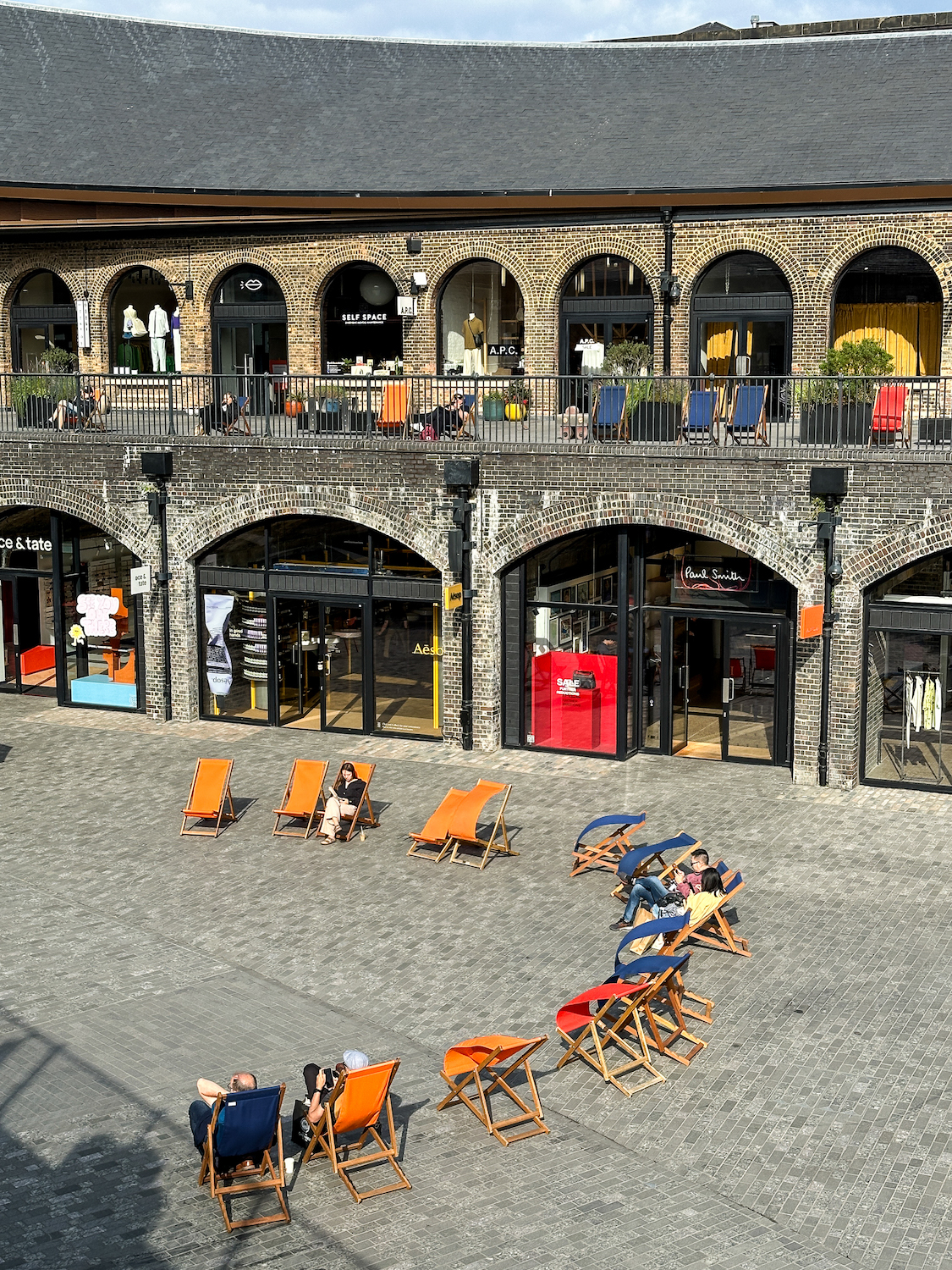
Near King’s Cross and St. Pancras stations, the old coal drops between the railway and Regent’s canal have been rehabilitated into a shopping center and modern, lively neighborhood along the canal, now known as Coal Drops Yard.
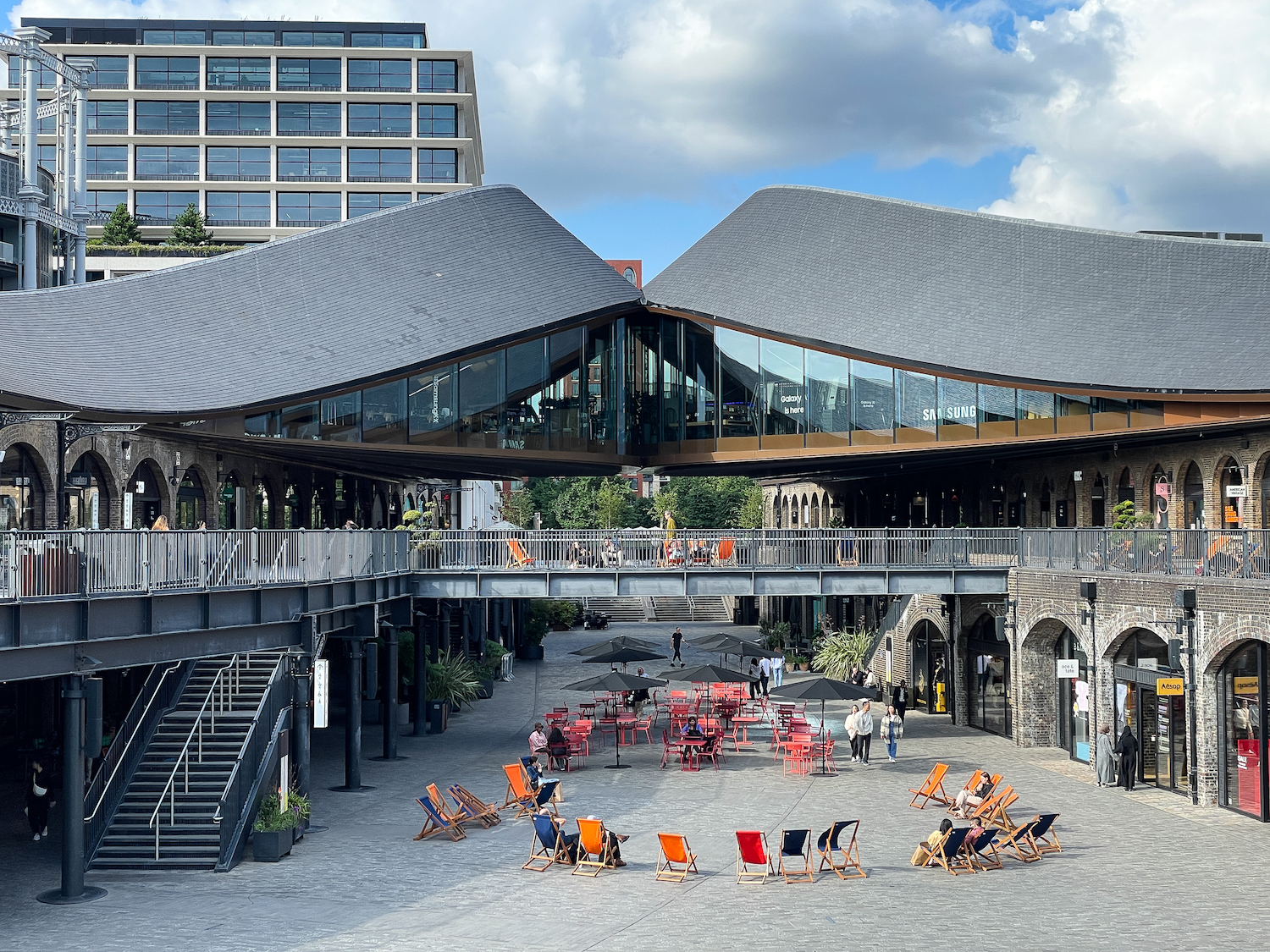
The shopping center contains over fifty shops, mainly for clothing and interior, as well as a selection of restaurants.
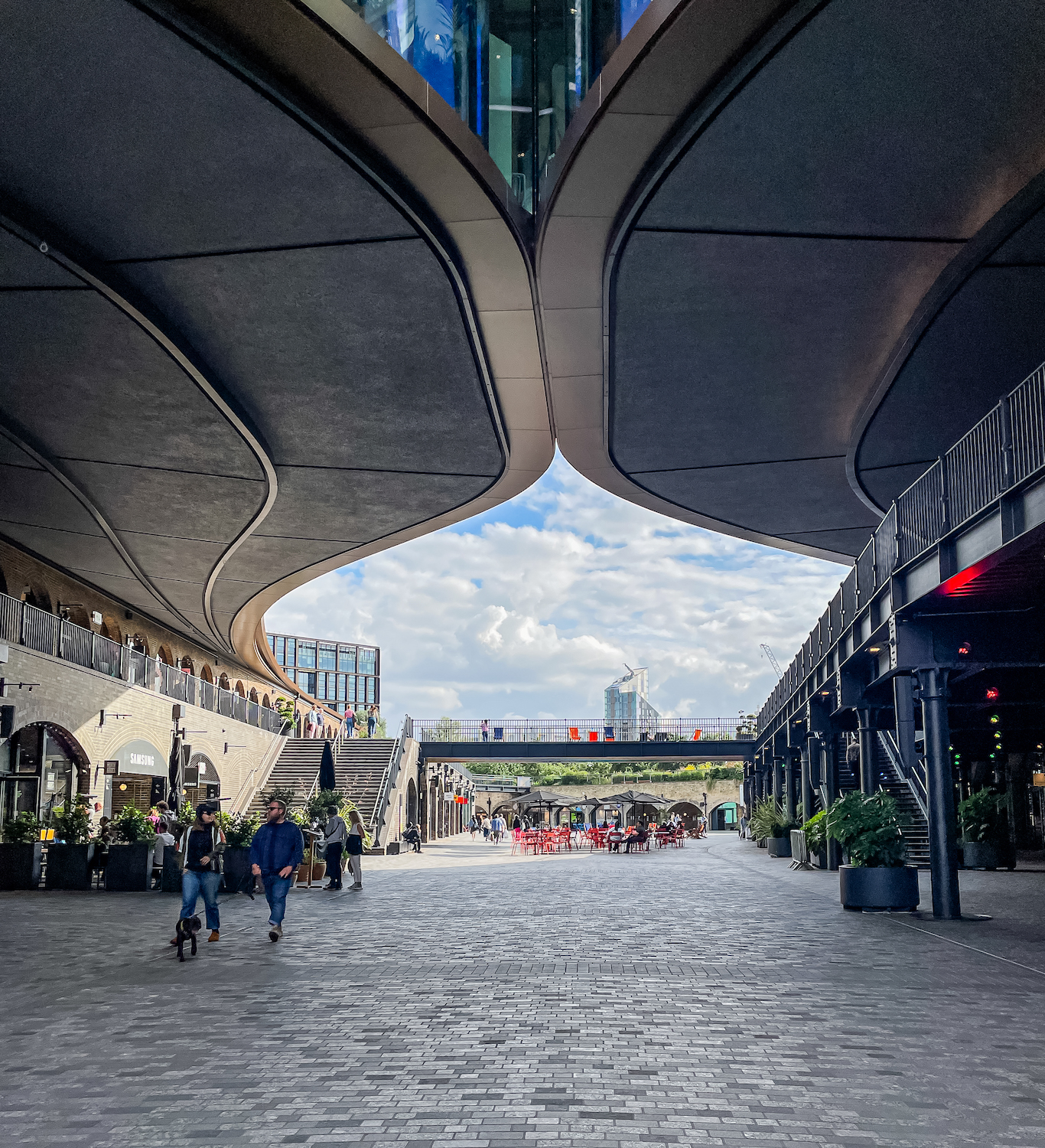
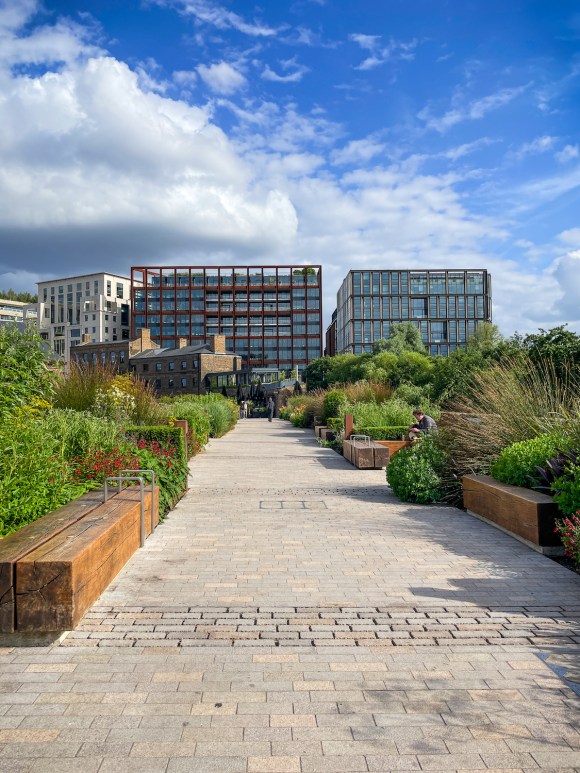
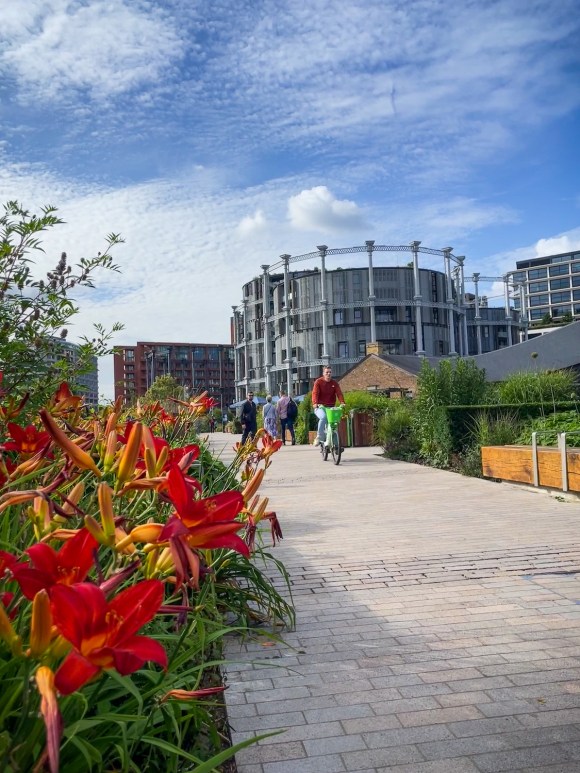
The upper level of the Coal Drops Yards continues onto Bagley Walk, an elevated parkway built on a former railway viaduct.
The parkway is lined with benches that are tucked away between flower beds and other vegetation, which is where we sat down to enjoy the sunny afternoon.
• Regent’s canal
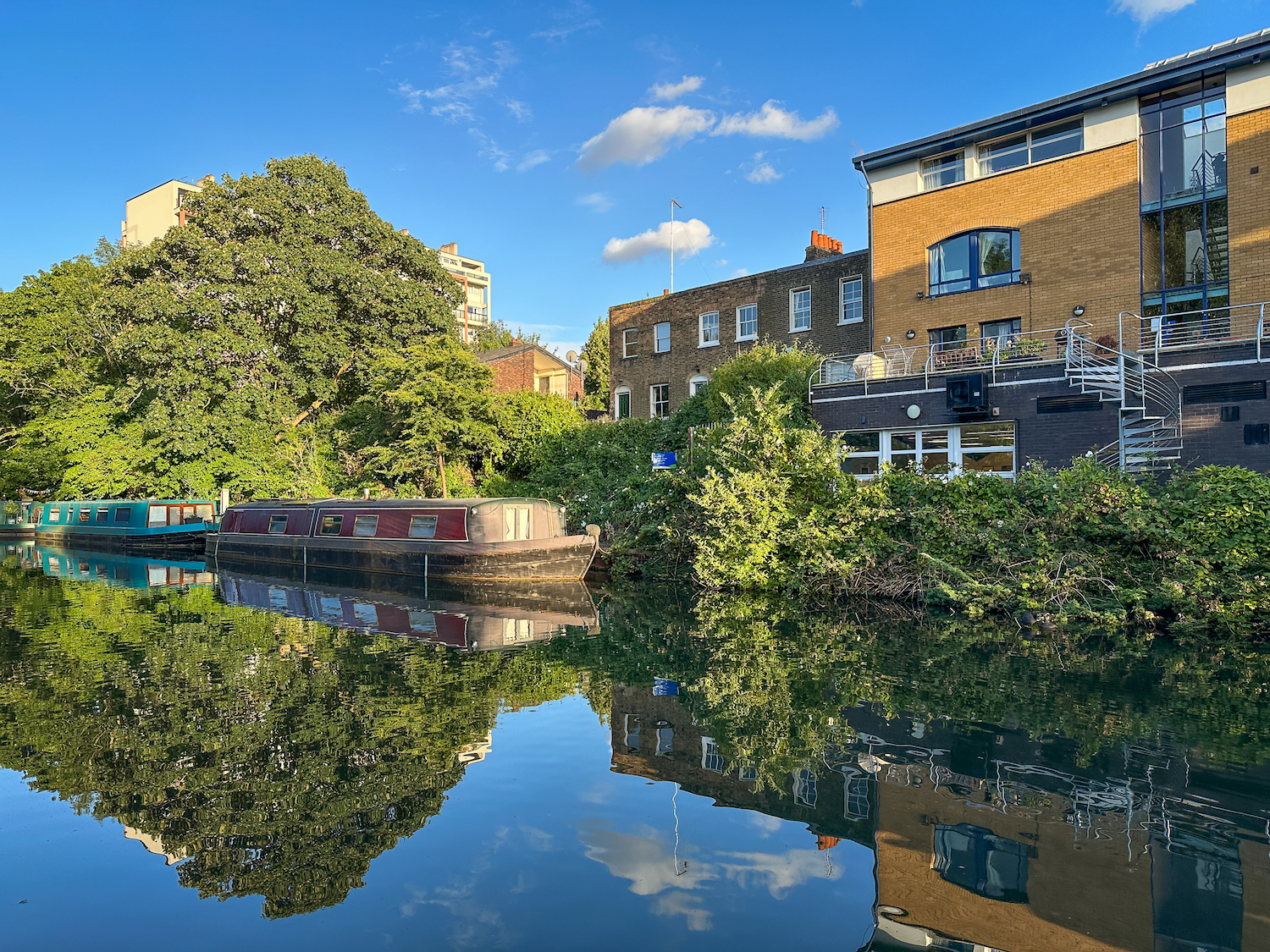
In the 19th and early 20 centuries, Regent’s canal was used to transport goods into London. Now however, the dozens of narrowboats that are moored along the canal have been converted into homes, theaters, or even bookshops. The banks of Regent’s canal are popular with locals and tourists alike, whether it’s for a run or a peaceful walk. In July and August, the free open-air cinema Everyman on the canal has several showings of classic movies every day, right next to Granary Square.
Where to shop
• Oxford Street
One of London’s main shopping streets, with both department stores (Selfridges, John Lewis, Marks & Spencer…) and shops for many famous brands.
• Hatchards (187 Piccadilly)
Founded in 1797, Hatchards is London’s oldest bookshop, with 4 floors of books beautifully organized by genre. The black bookcases, the seating areas and the soft carpet create a cozy atmosphere. This exactly the kind of place where book lovers like us can get lost for a few hours.
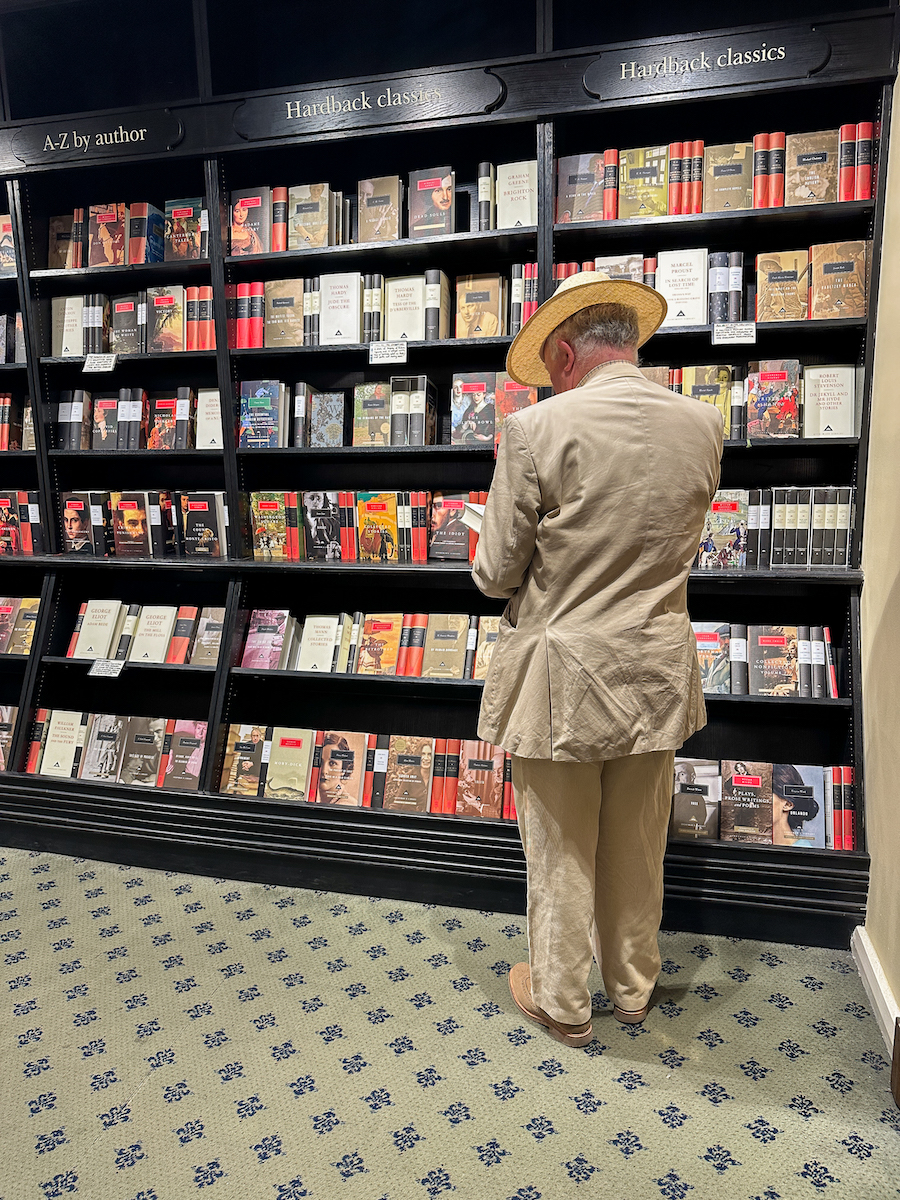
While Jérôme was browsing the travel section, Stéphanie had a seat on one of the Chesterfield couches to start reading a historical novel set in London, which she couldn’t keep herself from buying so she could bury her nose in it later that evening.
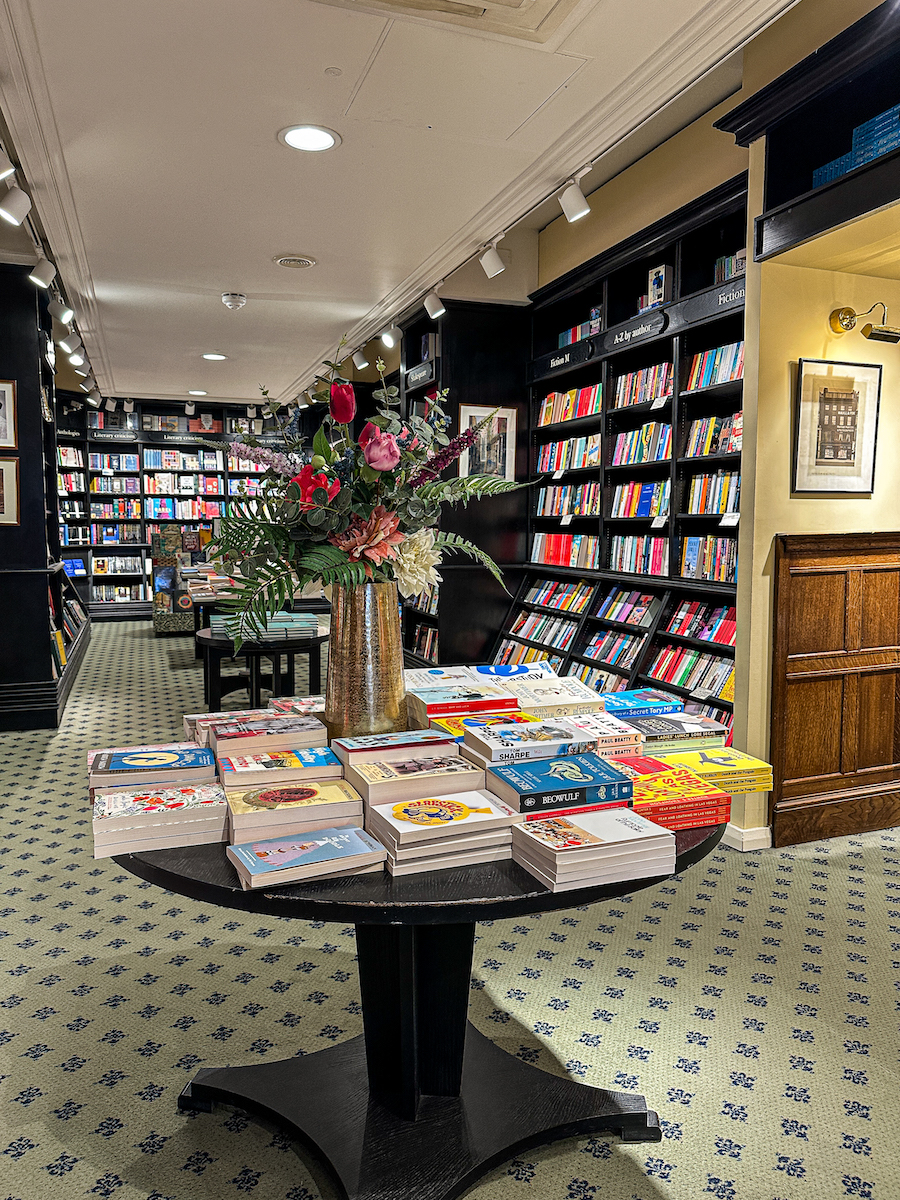
As we left the shop, we walked past an elegantly dressed man, carrying a bouquet of flowers, asking a shop assistant if she had a joyful book to recommend: Do you have something joyful, please?
• Word on the Water (Regent’s Canal Towpath)
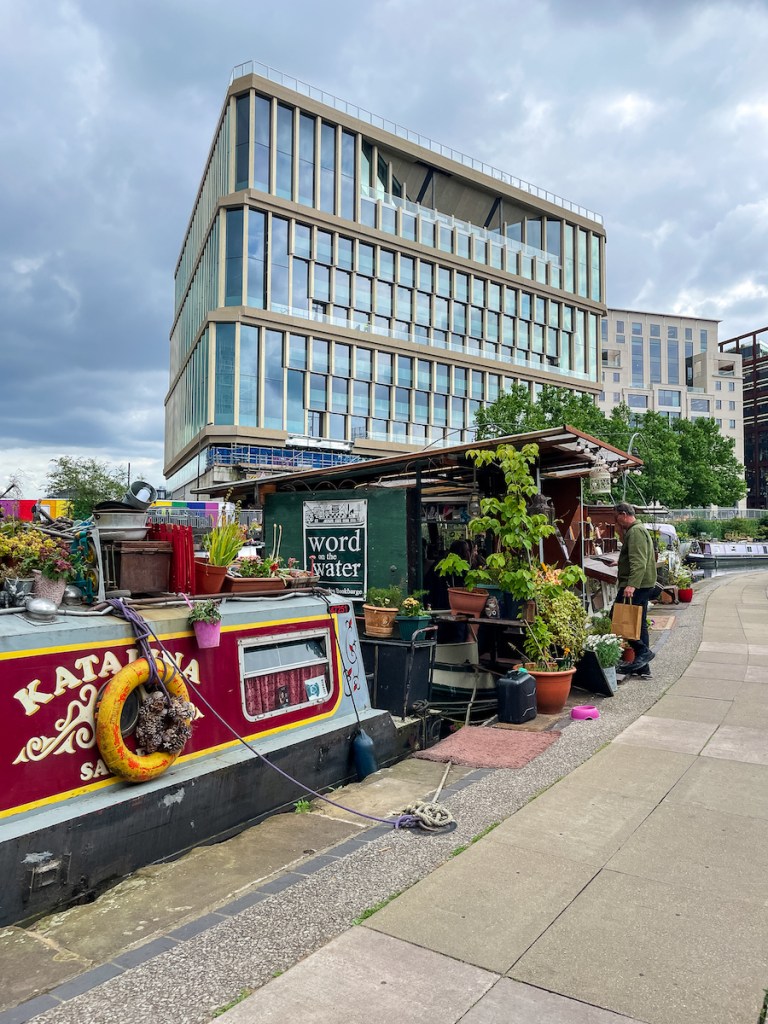
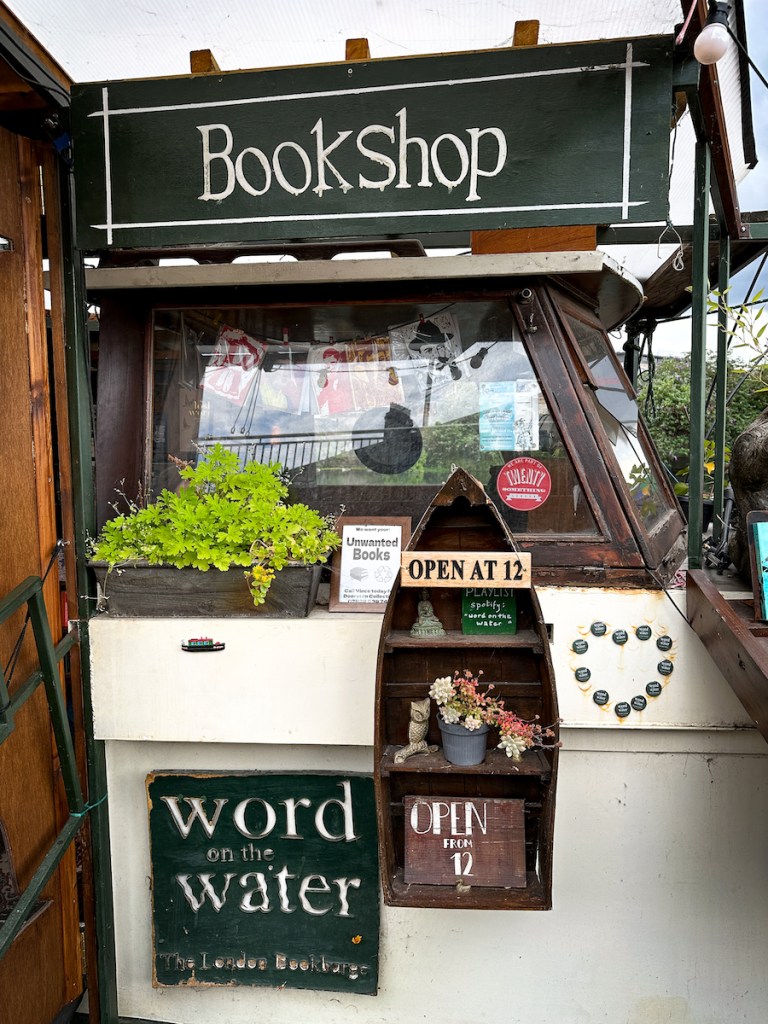
On Regent’s canal, not far from Coal Drops Yard, Word on the Water is a narrowboat that’s been transformed into a tiny, floating bookshop.
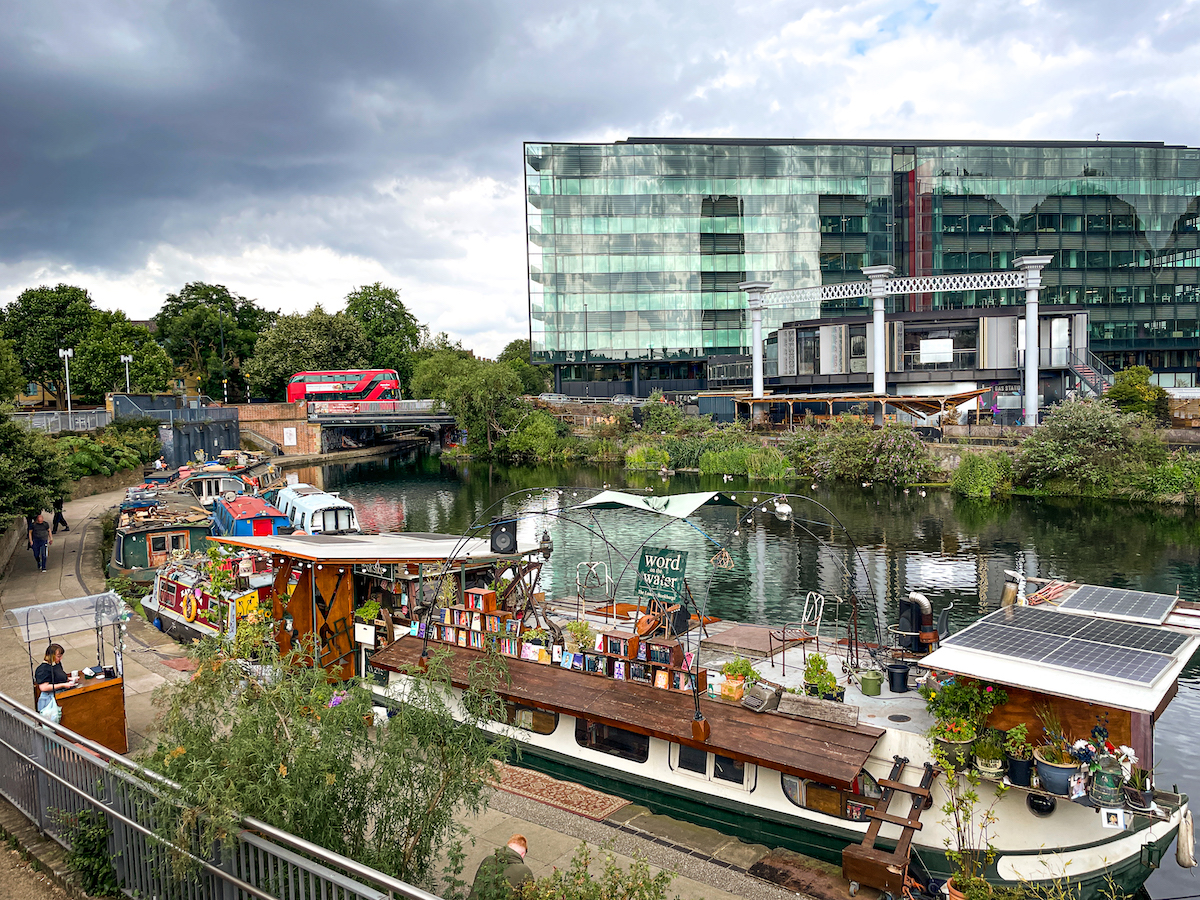
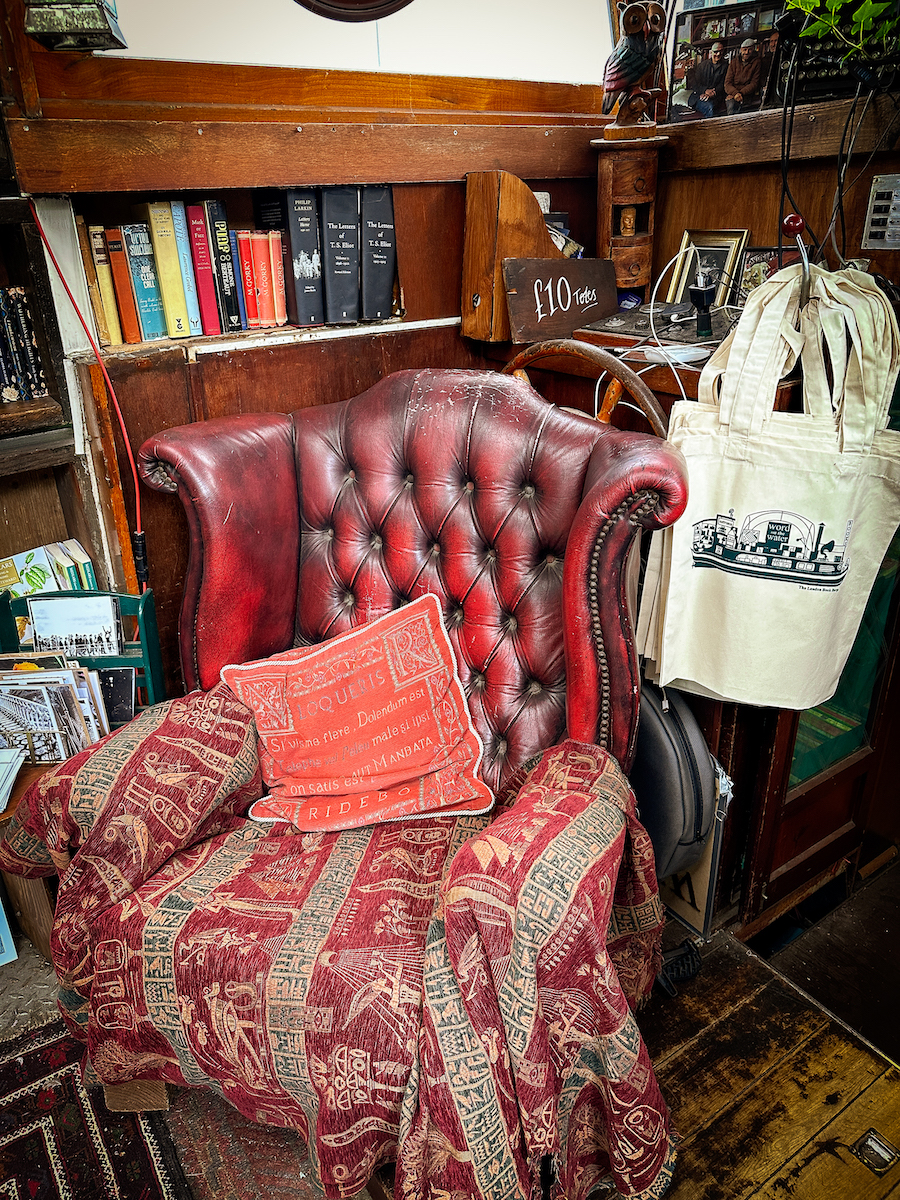
The charming little barge, offering regular events and the opportunity to leaf through a book by the fire (there is a wood-burning stove at the far end of the boat) attracts curious visitors and book lovers alike.
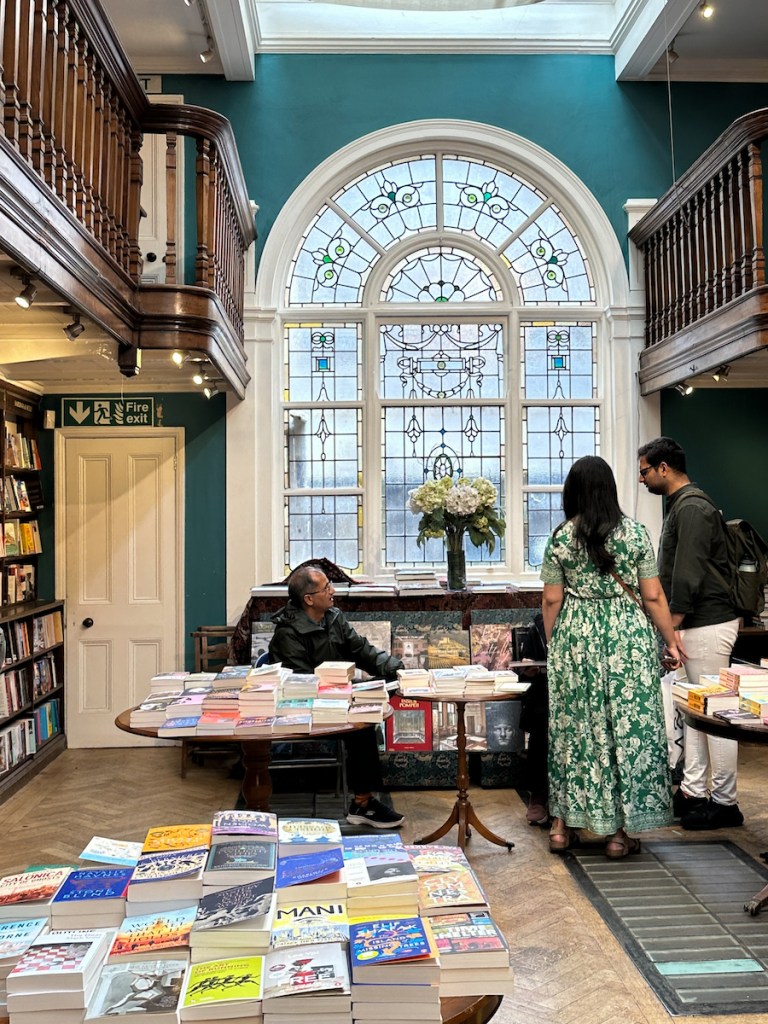
• Daunt Books (84 Marylebone High Street)
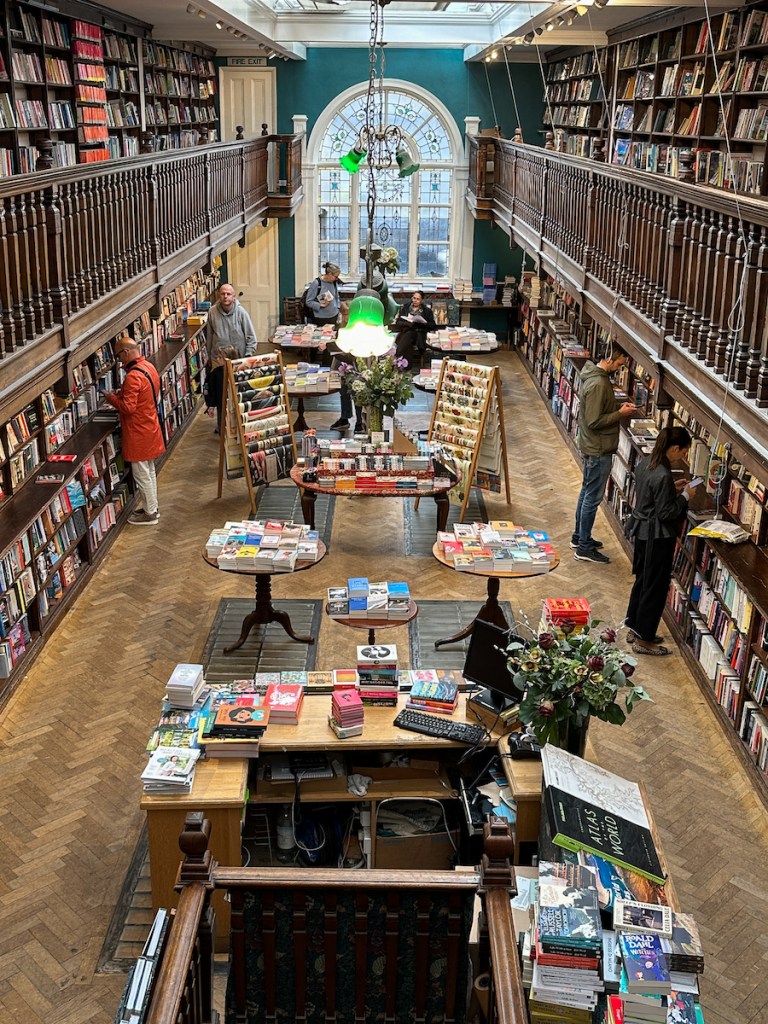
When you walk into this bookshop, the wonderful smell of paper and bookbinding glue immediately sets the mood. The hardwood floors have been burnished by thousands of pairs of shoes over the years. The green lamps, piles of books and dark wooden bookcases really add to the character of the shop.
• Cecil Court
A pedestrian street lined with antique shops, antiquarian booksellers and art galleries with Victorian store fronts.
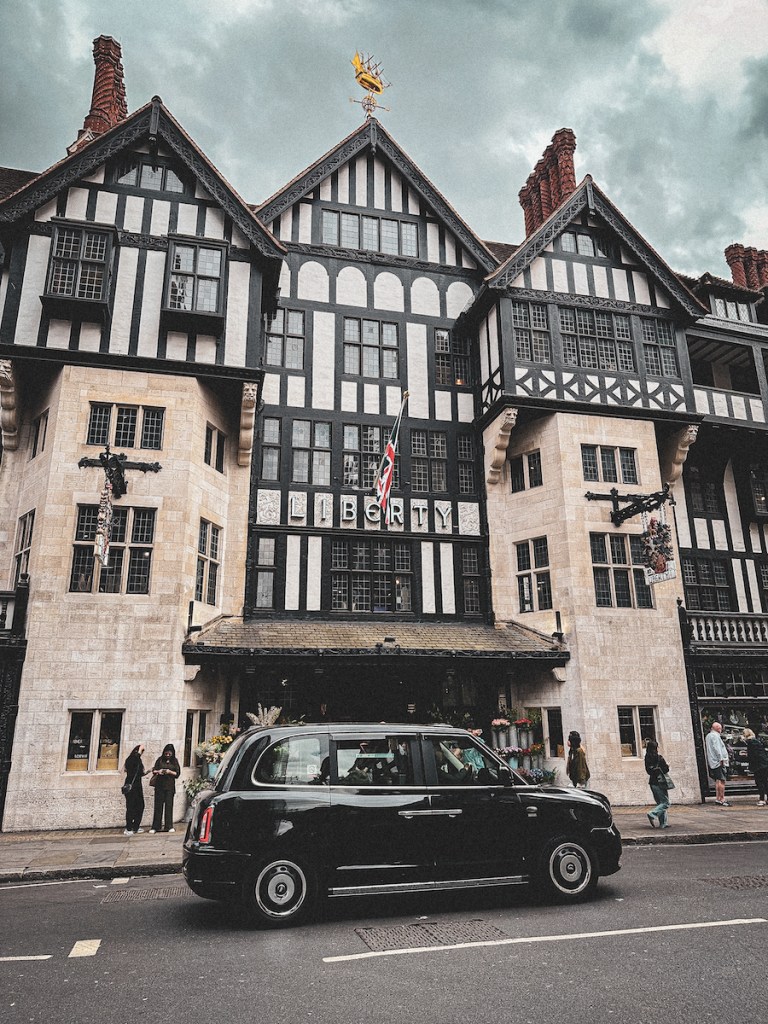
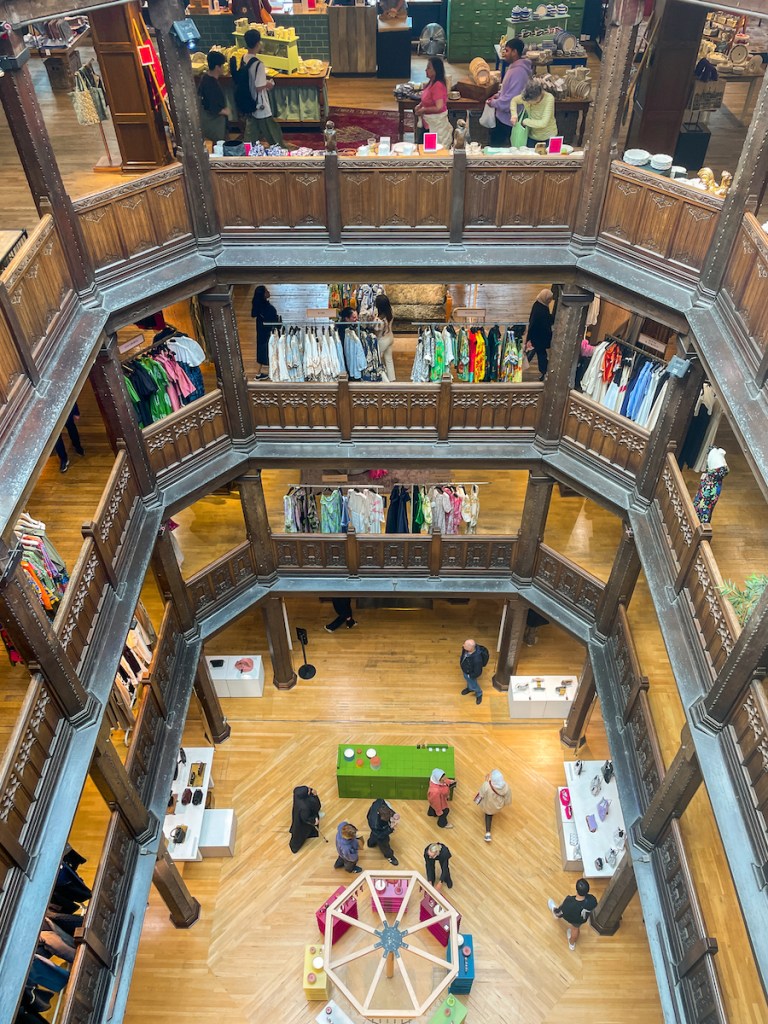
• Liberty (Regent Street)
A temple of high-end shopping in a massive, 1920s Neo-Tudor style wooden manor, with 6 floors of fashion, jewelry, fragrances, stationery, haberdashery, and home goods.
• Fortnum & Mason (181 Piccadilly)
A department store specializing in luxury food products and tea. This London institution has been a beacon of English culture since 1707. And did you know Fortnum’s is one of the King and Queen’s official suppliers? Tea aficionados will definitely find something to their taste in the store’s large array of classic and flavored teas. Our favorite is the Earl Grey Classic, with just a splash of milk, please!
Getting around
Public transportation
London’s transportation network is both vast and efficient.
Transport for London (TfL) manages 11 tube (metro) lines stopping at 272 stations, and 675 bus lines with a total of 19 000 stops.
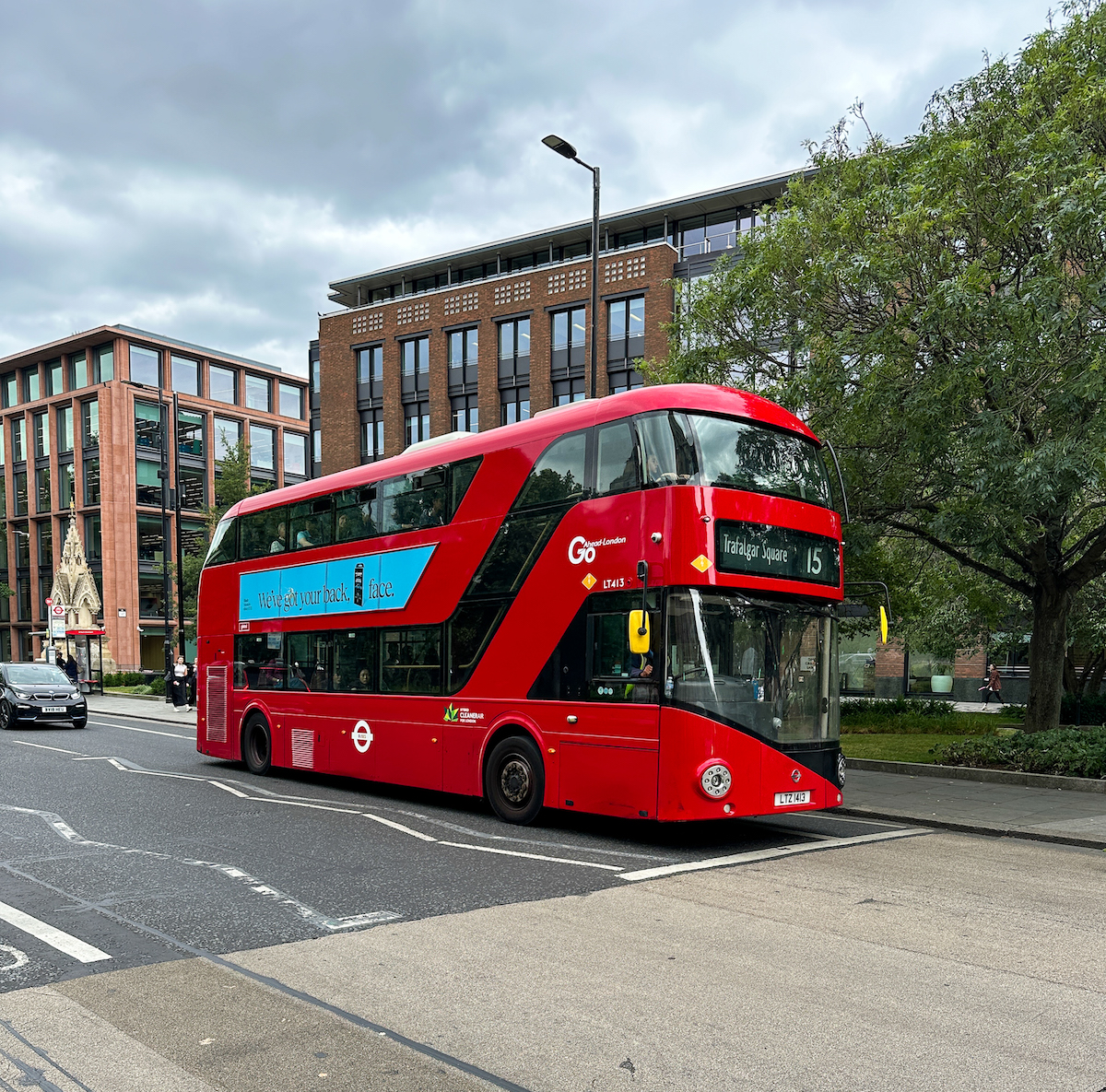
The tube lines are distributed across 9 zones in Greater London. Heathrow airport, for example, is located in zone 6. There is no zone system for buses, however.
Plan your journeys on Transport for London‘s website, or download the free app TfL Go.
The Oyster card is a pay-as-you-go travel card for London public transit. The card itself can be bought at a flat rate, then topped up at the ticket office or ticket machines at airports, train stations, tube stations, or one of over 4000 newsagents in London.
A fare is charged for every journey. Fares are higher for the tube than for the bus. It’s also more expensive to travel during rush hour (peak fares Mondays to Fridays from 6:30 to 9:30 AM, and from 4 to 7 PM).
When taking the tube, it’s important to touch in and out, meaning you touch your Oyster card to the touch pad when entering the station, and when leaving the station at your destination. When taking the bus, however, you only need to touch in when boarding.
A daily cap is applied when you’ve made a certain number of journeys, depending on how many zones you’ve traveled through. The daily cap is higher for tube journeys than if you only take the bus.
Our recommendation: Try finding a seat upstairs and all the way at the front when travelling by double-decker bus.
Taxi
If you want to get a license to become a London taxi driver, you need to pass The Knowledge, a famously difficult exam that requires you to know the city like the back of your hand. The preparation alone takes 3 to 4 years. Black cabs in London are particularly comfortable and spacious – one taxi has room for either 6 passengers, or 5 passengers with 4 large suitcases.
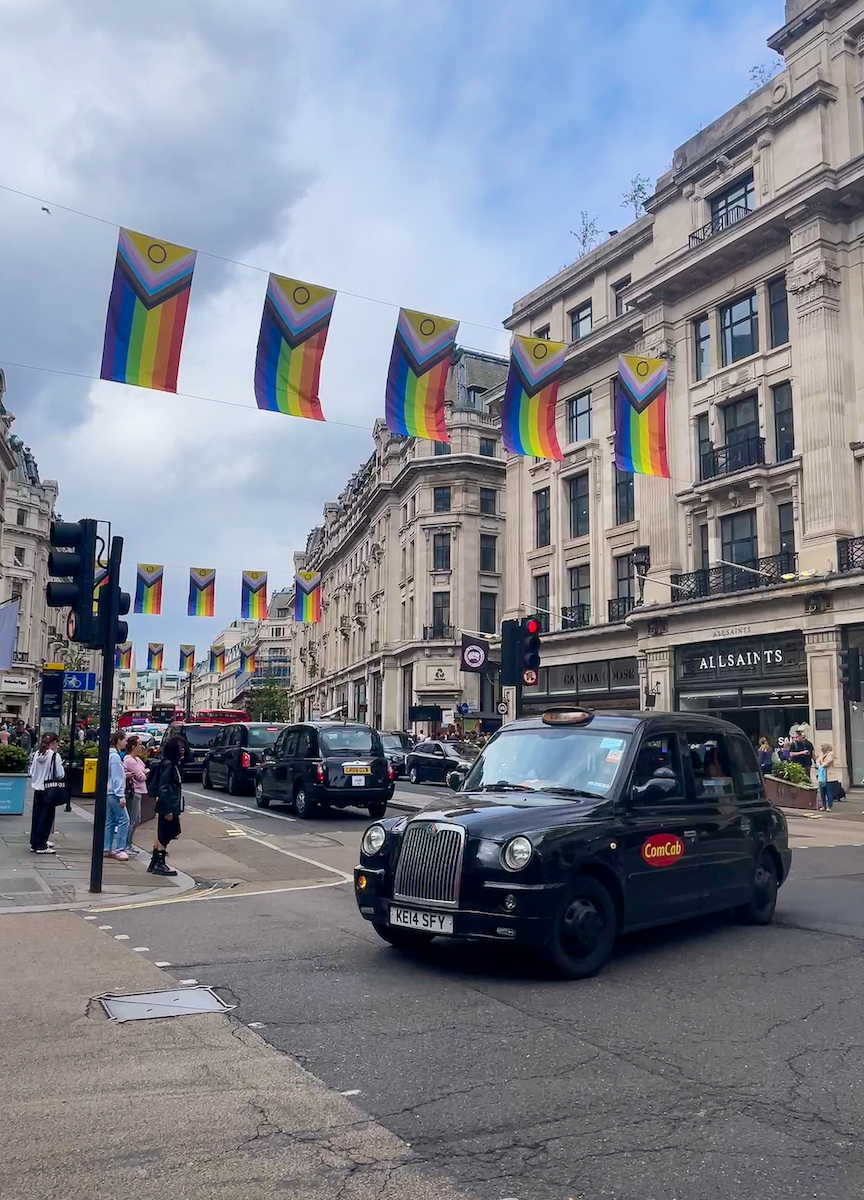
There is a minimum ride fare of 3,80£, while 4-mile journey (around 6,5 km) on a weekday can cost up to 30£.
Getting to and from Heathrow Airport
• Tube: Both the Piccadilly Line and the Elizabeth Line (which is more expensive) run directly to and from Heathrow airport. Between Heathrow and Piccadilly Circus, for example, the Piccadilly Line will take about 50 minutes, while the Elizabeth Line will take you to or from central London in about half an hour.
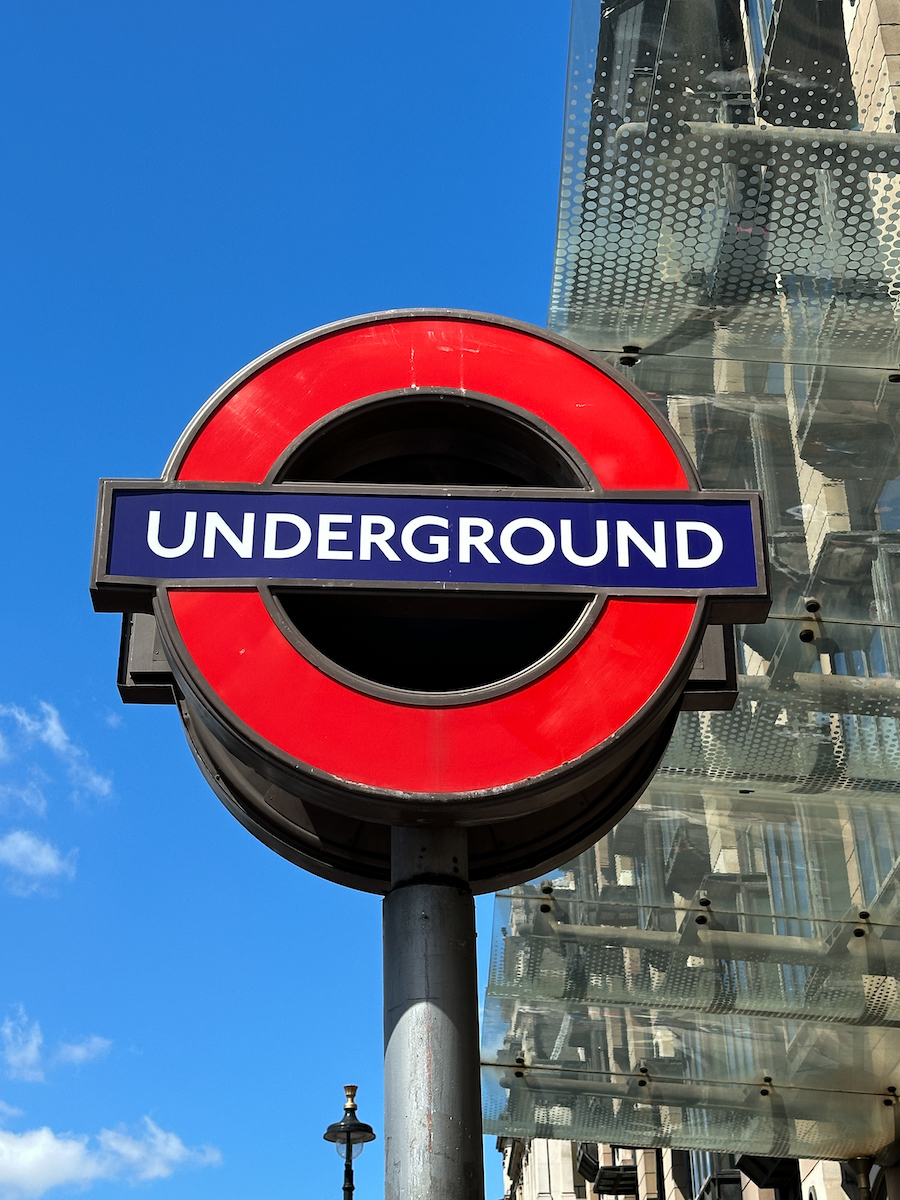
• Train : The Heathrow Express (more expensive than the tube) will get you from the airport to Paddington Station in 15 minutes.
If there is maintenance work on the tube line, another solution is the National Express bus. Reservations are required.
• Airport coaches: National Express
From Heathrow to Earl’s Court or Victoria Station, the bus will take between 50 and 90 minutes, depending on the traffic.
• Taxi : A journey between Heathrow and central London generally costs between 60£ and 120£ (source: Transport for London).
Where to stay
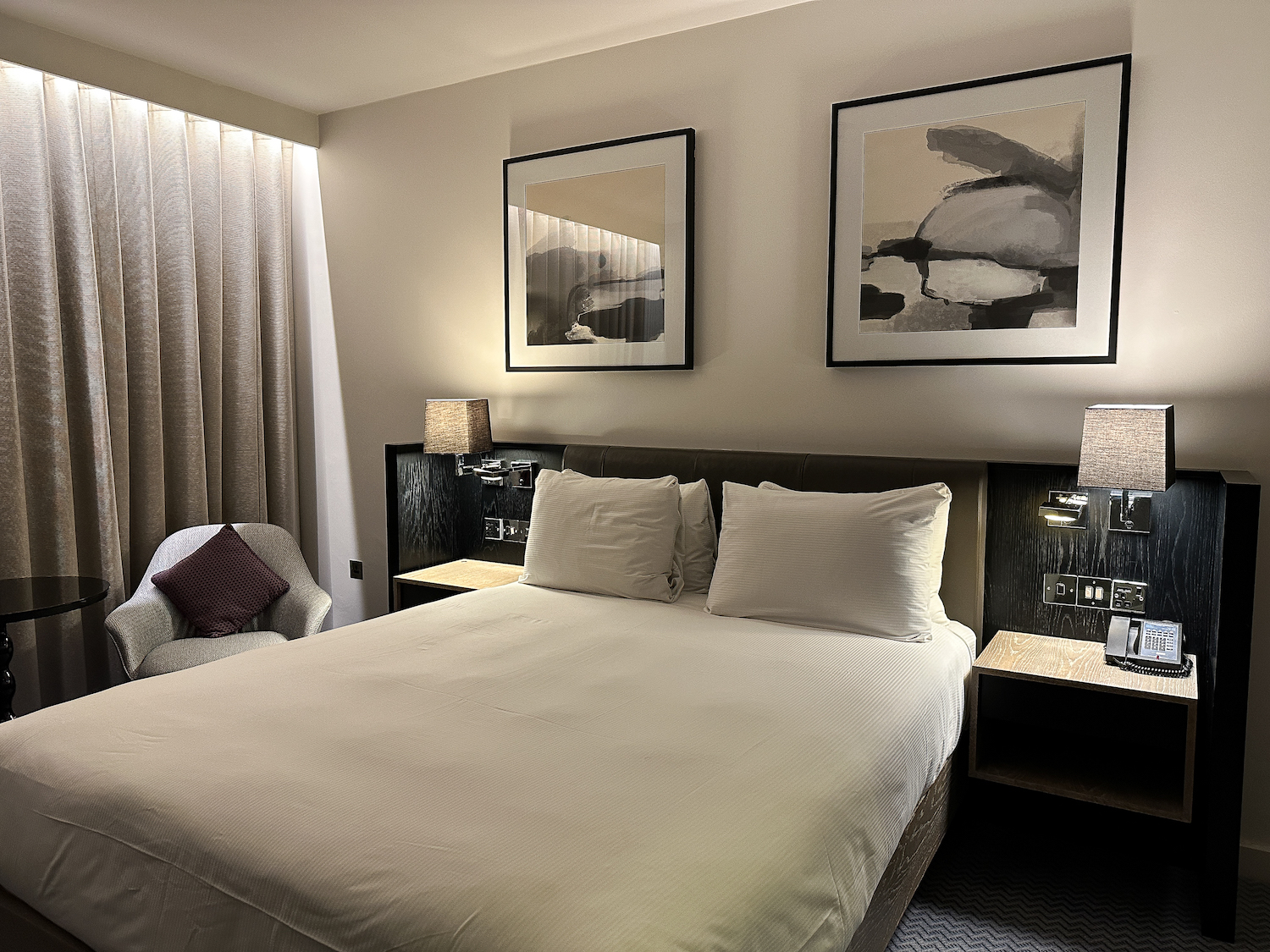
We stayed at the Hilton London Angel Islington (53 Upper Street).
The rooms are spacious, comfortable and tastefully decorated. The hotel is located in the bustling neighborhood Islington/Angel, easy to reach by public transportation and surrounded by lots of restaurants, pubs, and shops.
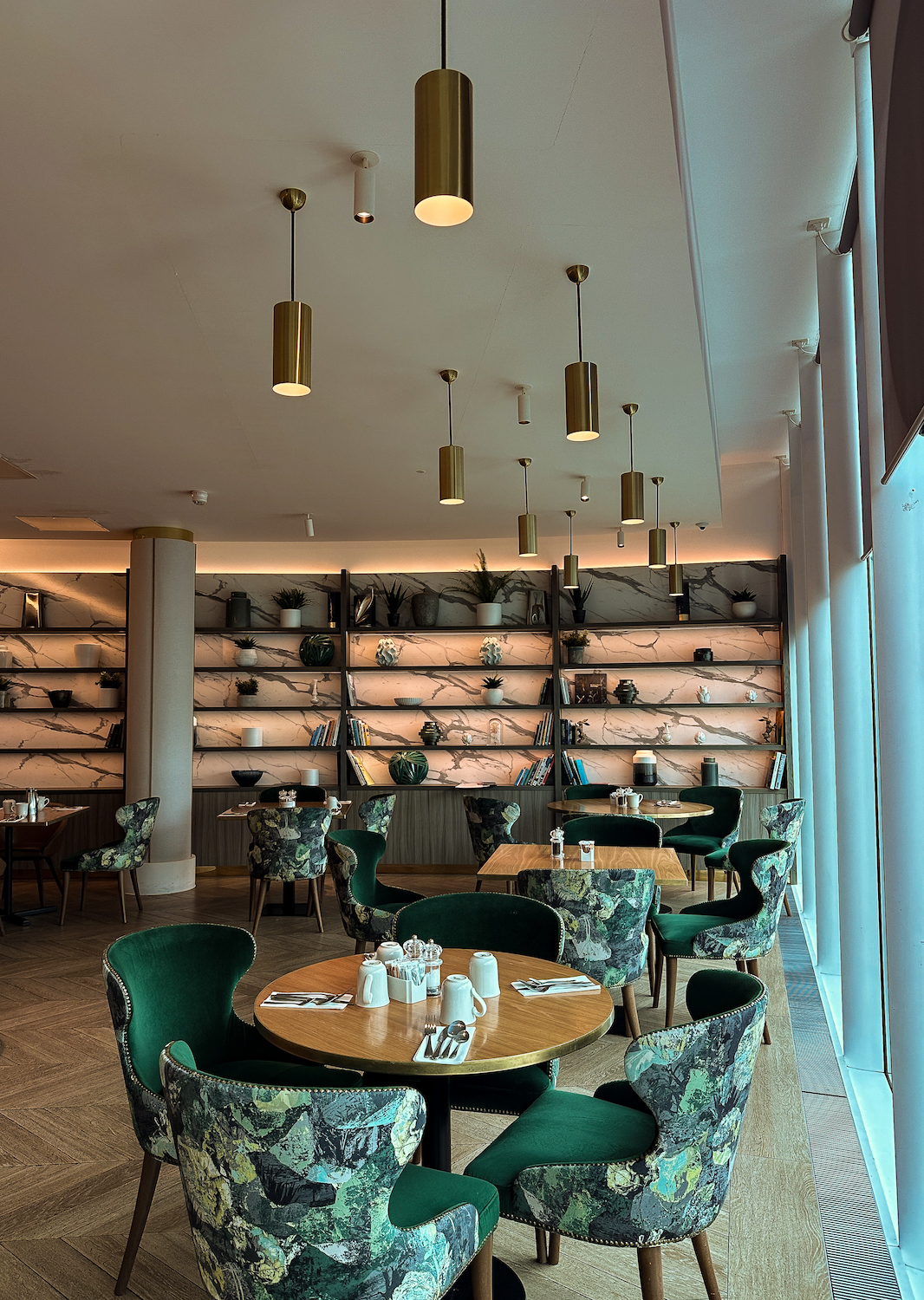
The generous breakfast buffet offers a wide array of both sweet and savory foods, which you can enjoy in the elegant breakfast room. Stéphanie very much enjoyed her scrambled eggs and bacon, while Jérôme devoured his toasted crumpets with butter.
Where to eat
• Fatto a Mano
The pizza chefs at Fatto a Mano make authentic Neapolitan wood-fired pizzas. On the menu, you’ll find around ten different pizzas (both red and white), as well as Italian wines, beers, cocktails and mocktails.
The pizza Margherita is very appetizing, with a crust that’s both crispy and pillowy. The dough is made in-house every day and proved for a minimum of 24 hours. The tomato sauce is full of flavor, with the basil adding a touch of freshness. Several locations in London.

• Capilungo (76 Long Acre)
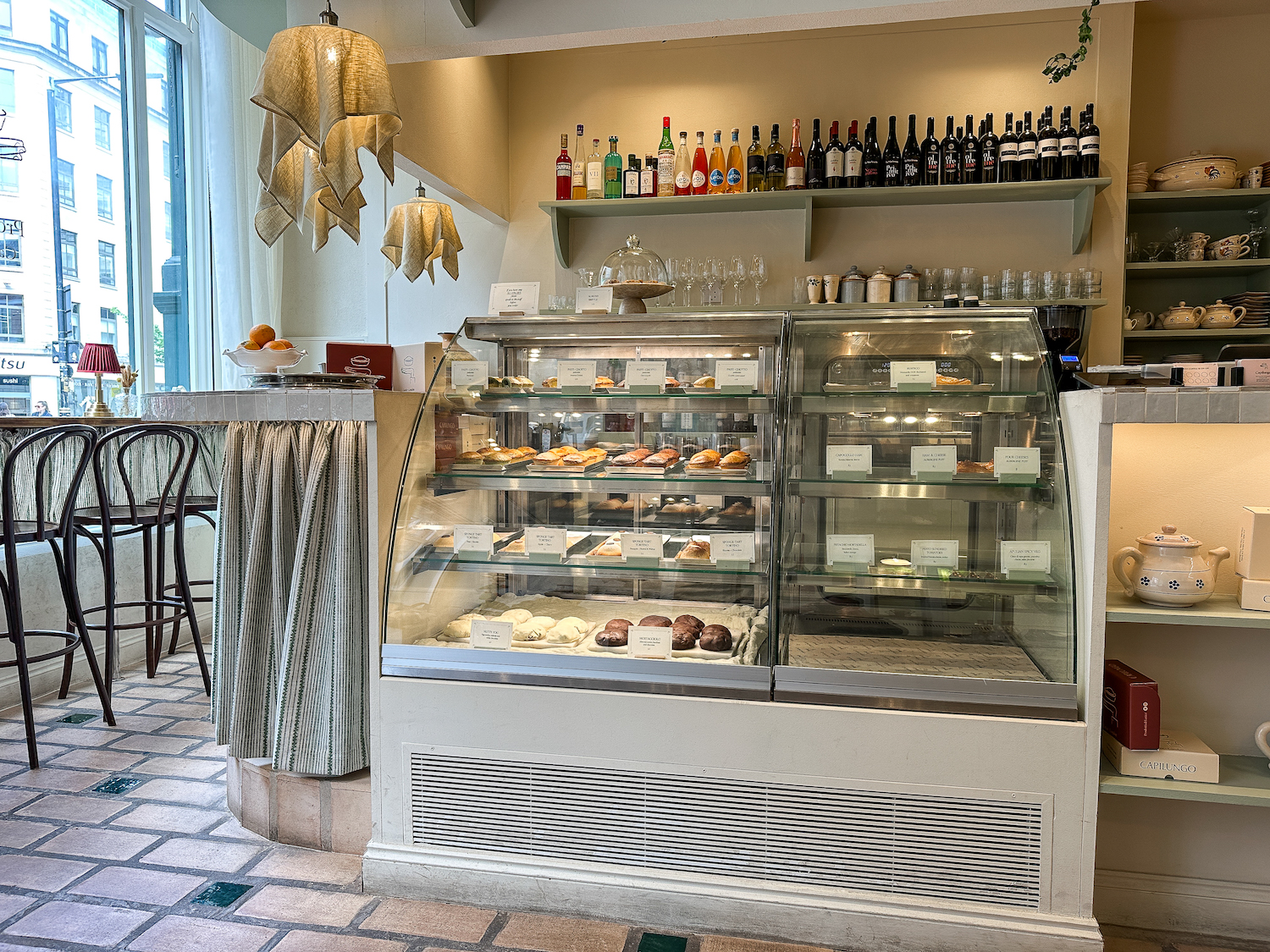
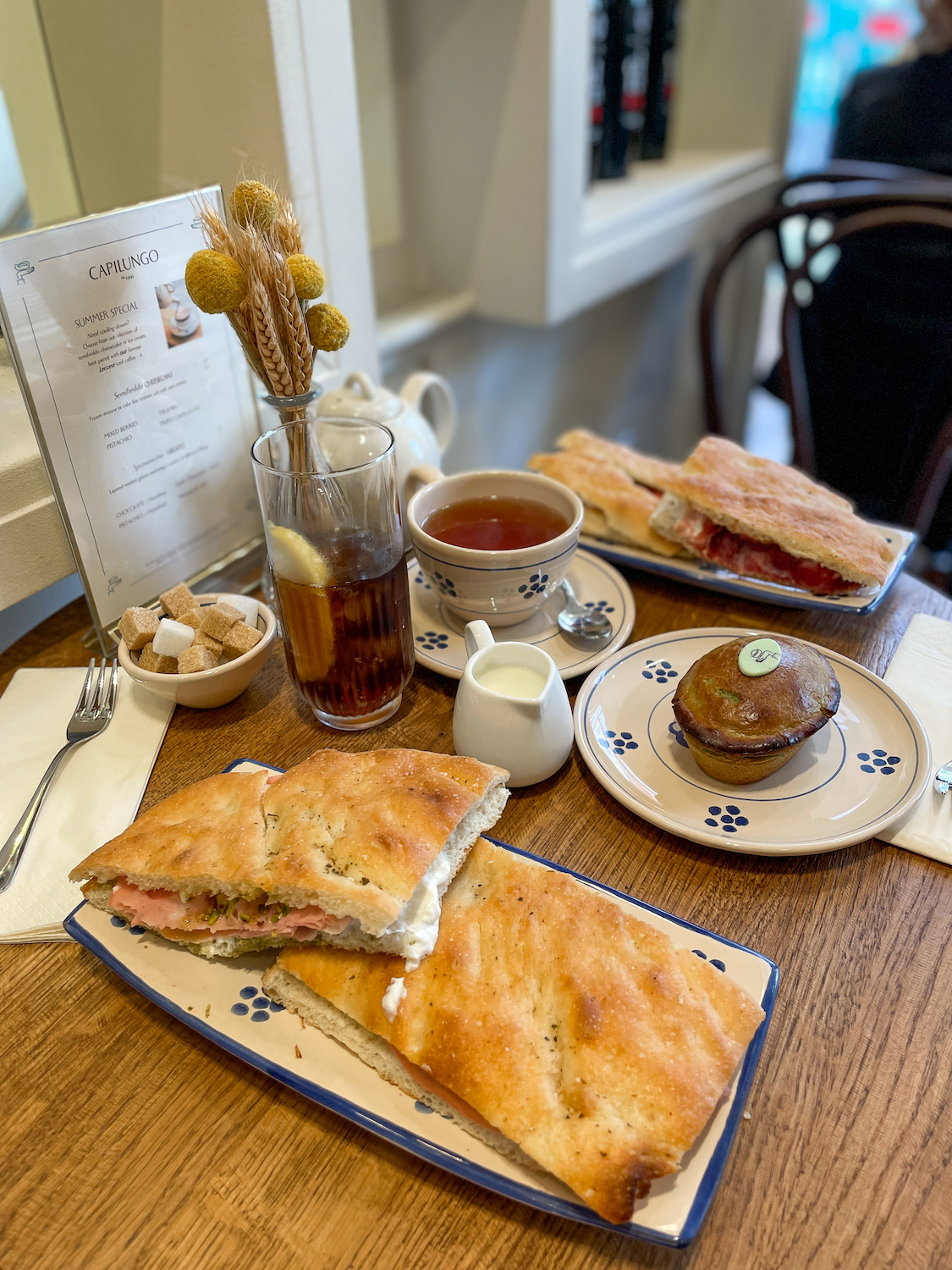
A charming little café and pasticceria 5 minutes from Covent Garden. Among the pastries and specialties from the Lecce-region (Puglia), we went for focaccias (mortadella and pistachio, or cured ham and burrata), and a pistachio pasticciotto (a small cake with a custard/pastry cream filling – choose between pistachio, lemon, chocolate or amarena cherry). Capilungo is a great spot for lunch, a snack, or an aperitivo.
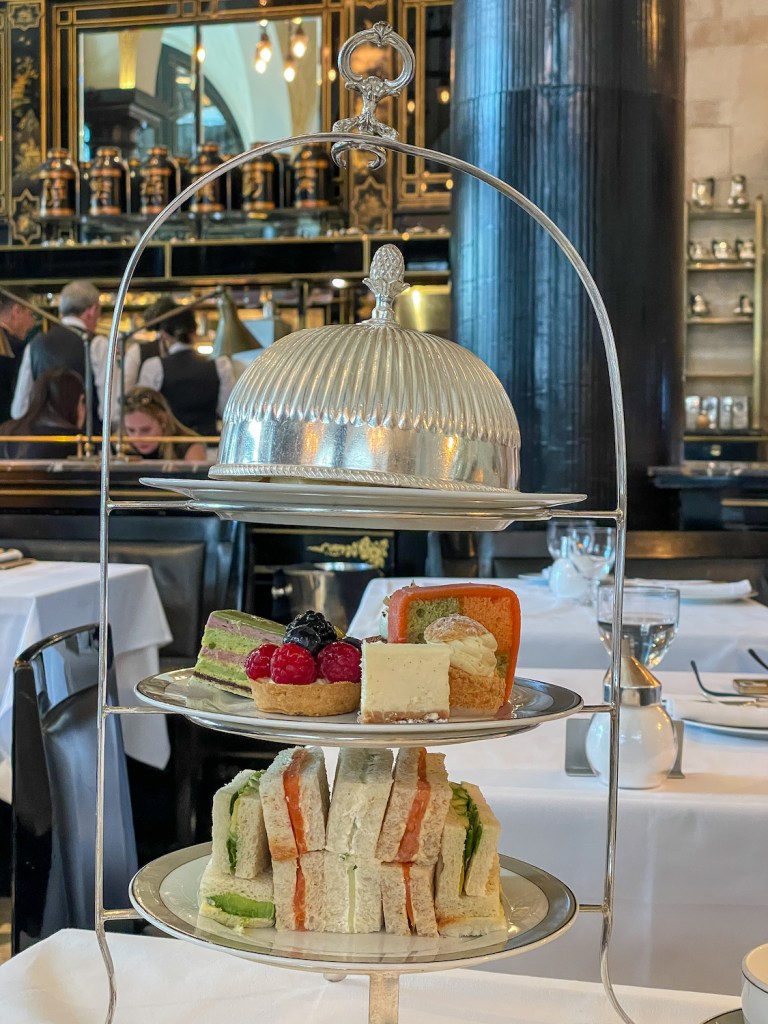
• Afternoon tea: The Wolseley (160 Piccadilly)
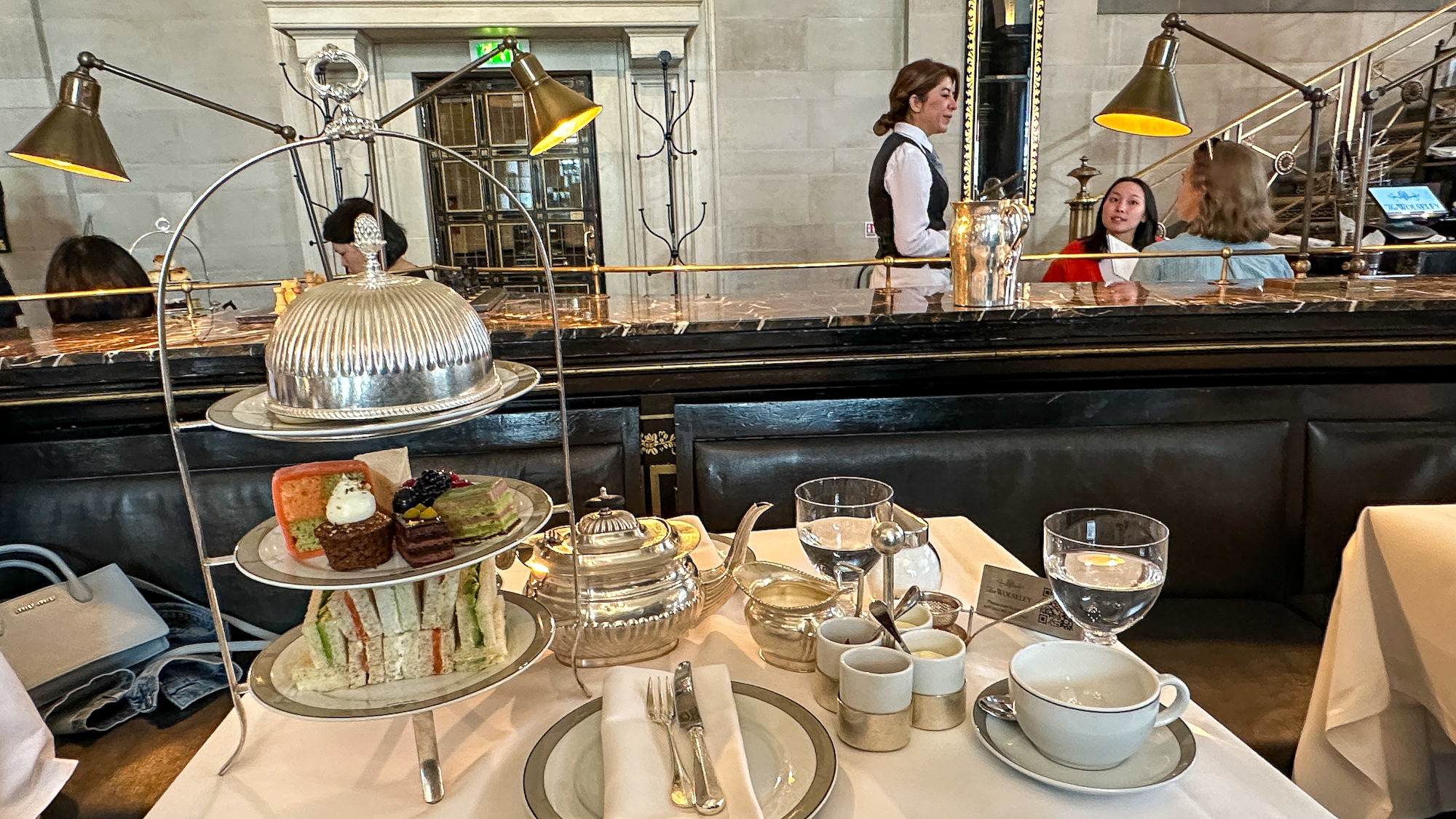
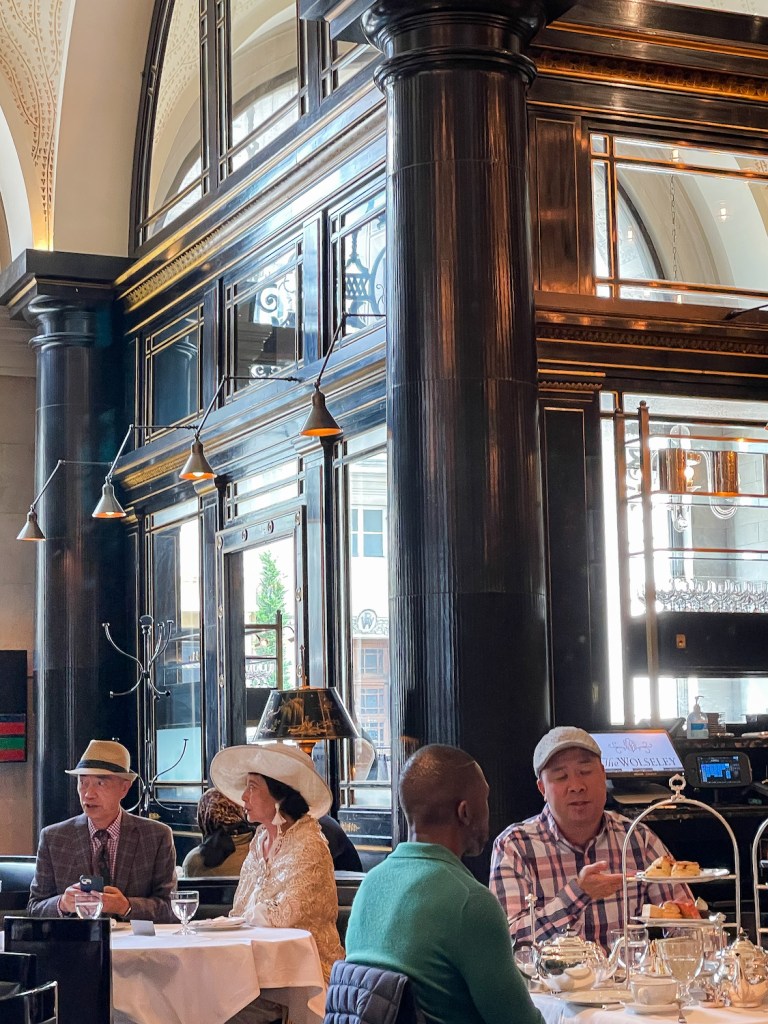
The Wolseley offers a delectable Afternoon Tea every day, in elegant Art Deco surroundings. An experience out of the ordinary to immerse yourself in English culture. Reservations are required.
• Dishoom
A chain of incredibly popular Indian restaurants. The concept is a tribute to Bombay cuisine and the city’s Irani café culture. Each restaurant has its own, unique interior. Dishoom is famous for its grilled dishes and rich curries, such as the Chicken Ruby. End your meal with a comforting cup of chai (Indian spiced tea with milk). Several restaurants in London. Reservations are possible for daytime diners until 6 PM. In the evenings, however, there is often a long line.
• Gail’s
Gail’s café and bakery offers a large selection of pastries, quiches, cakes, breads, sandwiches, coffees, teas, and cold drinks. We recommend trying the carrot cake with cream cheese frosting. The atmosphere is cozy and bright, with accents of blond wood. Several bakeries in London.
Practical information
• Passport
Since Brexit came into effect, you need a passport to enter the United Kingdom (valid for the duration of your stay). National identity cards are not accepted, except for European nationals with settled status in the UK.
• Visas
The current UK visa policy (summer 2024) allows for citizens from a large number of countries (such as the EU/EEA, Switzerland, Australia, Brazil, Japan, the United States, Canada…) to enter the country as tourists without a visa for up to 6 months. Before travelling, we recommend you check what applies to your situation on gov.uk.
• The emergency telephone number in the United Kingdom is 999. You can also reach emergency services by dialing 112.
• Power plugs and adapters
UK plugs are type G, with 3 rectangular pins in a triangular pattern. The standard voltage is 230 V, and the frequency is 50 Hz. Pack several power adapters for your devices, and make sure to check if you need a voltage converter (if you come from the US or Canada, for example).
• When crossing the street in, keep in mind that Britain has left-hand traffic. Look right, then left. When in doubt, follow the marking on the road.
• Don’t be disappointed if it’s cloudy, as the weather is often overcast in London. It’s best to consider yourself lucky if it doesn’t rain – a British brand of optimism.
• The unpredictable weather in London isn’t just a myth. Always take your umbrella with you, and preferably one that can withstand a few gusts of wind.
• If you’re arriving in London by plane, avoid getting cash from the cashpoints/ATMs at the airport. The ATMs at Heathrow, for example, apply a fee of de 5£ per withdrawal. Get your pounds from a cashpoint in town.
Discover more from Strafari
Subscribe to get the latest posts sent to your email.
 Strafari
41 replies on “Exploring London: our best things to do”
Truly useful guide to London and the food looks delicious ironically! Thanks for sharing!
LikeLiked by 2 people
Thank you! London is actually a great city for foodies 😄
LikeLiked by 1 person
💂🏻♂️💂🏻♀️💂🏻
LikeLiked by 1 person
Hahaha yes! 🤩
LikeLiked by 1 person
As someone who has lived all my life either in or near to London, I would agree with all of these recommendations. Although I’ve never actually had an afternoon tea! There’s another interesting fact about the OXO Tower – at the time it was built advertising wasn’t allowed along the riverside, and so they got round the rule by incorporating the word OXO into the brickwork itself.
LikeLiked by 2 people
Wow, Rebecca! This sort of approval from a London is quite the feather in our cap! Thank you for that. And what a fun fact about the OXO tower, I wish we’d known that… 😉
All the best,
Stephanie
Strafari
LikeLike
London is a great city with so much to see. I’ll have to add a few of these spots to my list the next time I’m there. Despite multiple trips, there’s still a lot to see 😊 Maggie
LikeLiked by 2 people
Oh lovely to hear! Out of curiosity – which ones in particular are you curious to check out?
There’s amazingly always more to see in London, it’s a dizzying thought!
LikeLiked by 2 people
Some of the neighbourhoods like Shoreditch or the markets and Regent’s Park. I don’t think I’ve been to any of those markets.
LikeLiked by 1 person
Oh wonderful! Lots to explore then 😊
LikeLiked by 1 person
I’ve traveled to London, but never with your meticulously researched and vetted preparation. Many new sites, shops, and bookstores to see!
LikeLiked by 1 person
That’s so wonderful to hear, thank you! 🙏🏻
LikeLiked by 1 person
Lovely London 🙂 So great you saw so much, with a few much less touristy places like Shoreditch and Coal Drops Yard (one of my fave spots in the city – they do open air cinemas along the river there). It’s great to see your experiences of my home city and your photos are beautiful.
LikeLiked by 1 person
Yes! They were showing Harry Potter when we were there ☺️ so glad you liked our post, being a Londoner 🥰
LikeLike
Thank you for your great tips! 👌🏻❤️ I love London and I’ve visited it several times. The good thing is that I still have so many things to do and see. 😊
LikeLiked by 1 person
Thank you for your wonderful comment! Hope our guide will be useful to you 😊
LikeLiked by 1 person
It’s certainly changed a lot since I was there in the 1970’s. Yet still opportunities to walk where my grandmother, great grandparents, and great great grandparents walked. Wouldn’t they be amazed – but they would still recognise places.
LikeLiked by 1 person
It’s incredible to see how fast cities change within our lifetime, yet are still recognizable 😄
LikeLiked by 1 person
My great grandmother and her sister marched on Parliament from the East End in the 1800’s, as part of the MATCHSTICK girls strike and efforts to get better pay and conditions. So she would recognise major landmarks, no doubt. And be amazed at how we women have progressed since then!
LikeLiked by 1 person
What a wonderful story! So many things have progressed since then ❤️
LikeLike
I lived in London for seven years and there’s still a lot I didn’t see, even though I was out and about every weekend. There are lots of old favourites on your list. I’ve never been to Hatchard’s though, so I may have to rectify that when I’m up there in a few weeks.
LikeLiked by 2 people
That’s so good to hear! Thank you for the kind comment 😃 Hope you enjoy Hatchard’s, and the rest of your trip!
LikeLiked by 1 person
This is a great overview!
LikeLike
Thank you so much, Lyssy! Glad you enjoyed it 🙂
LikeLike
Great post of one of our favorite cities and our favorite hangout, Covent Garden!
LikeLike
Oh nice, thank you! Covent Garden is so lovely 😀
LikeLike
I enjoyed this post!🙂I recently discovered Daunt books too, great bookshop
LikeLiked by 1 person
Thank you, we really appreciate it 😃 Daunt was wonderful, but we really fell in love with Hatchards 🥰
LikeLiked by 1 person
Wow, what a encompassing travel guide. Well done!
LikeLiked by 1 person
Thank you! We’re glad you like it, and we hope it can also be of use to you!
LikeLike
[…] London […]
LikeLike
Beautiful. With this write up, memories of my trip has come back fresh and like to travel once more
LikeLiked by 1 person
That makes us so happy 😁
LikeLike
[…] London […]
LikeLike
Very thorough post and lovely photos. London is a great city, so much cool stuff to do there. The only downside is it’s quite expensive, looks like that’s still the case.
LikeLiked by 1 person
Thank you Doug! We agree, but unfortunately that’s the case for quite a few major world capitals.
LikeLike
Another great article and more great images. We live on the other side of the UK but try to get up to London once a year. Like some of the other Brits, commenting here, we’ve never tried an afternoon tea. If we do I think I’d try The Wolseley, having read this. There’s a few places here we haven’t visited, mentioned here, so I’ll remember those for next time. We went over to Greenwich, via the Greenwich foot tunnel on our last visit. That was good to do and Greenwich is really buzzy 🙂
LikeLiked by 1 person
Thank you Steve! We never thought that Afternoon Tea was a rarity for Brits as well 😁a treat for a special occasion, perhaps, but not something people never do. Do let us know if you try the Wolseley ☺️
Greenwich is definitely somewhere we want to visit one day!
LikeLike
Great Overview of London! My favorite tea services are actually at the Pan Pacific (they have an Asian variation) and The Landmark hotel. And another notable foodie place is Fenchurch at the SkyGarden. Time is always too short in London 🙂
LikeLiked by 1 person
Thank you!! Oooh these are some nice tips, we’ll definitely check them out before the next time we go to London ☺️
LikeLike
[…] London […]
LikeLike