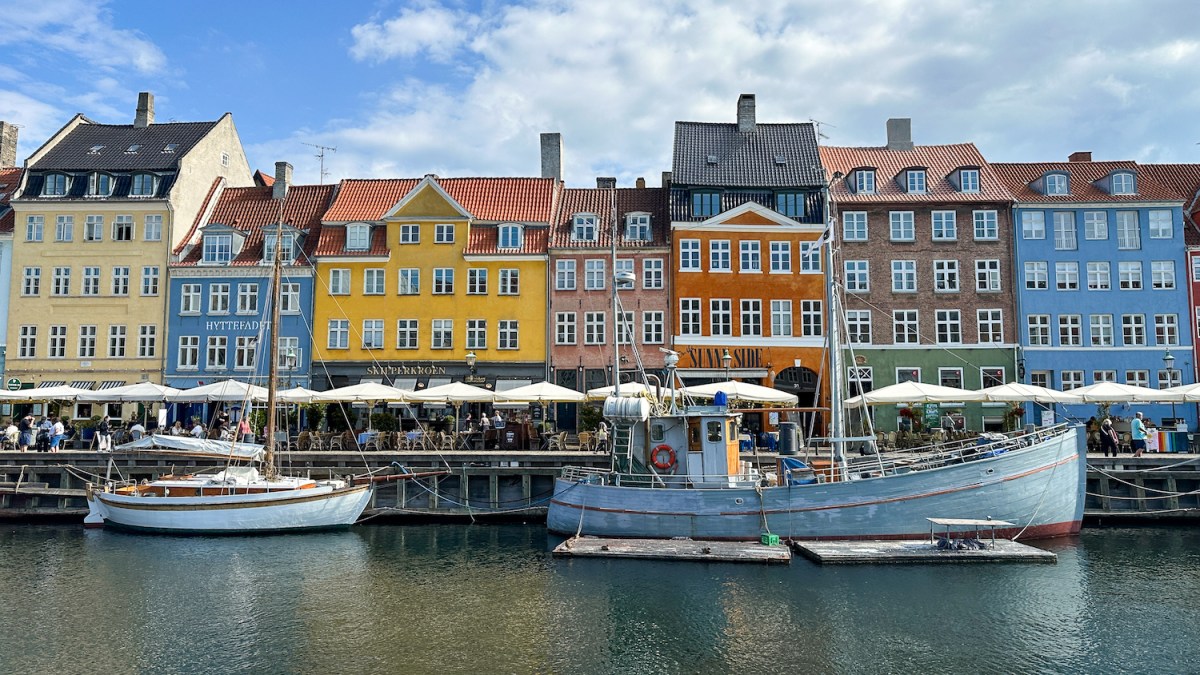
Copenhagen is a model of urban balance. Ranked as the most livable city in the world in 2025 by The Economist Intelligence Unit, it harmoniously combines sustainability, design and wellbeing. Between its innovative architecture, cyclist- and pedestrian-friendly infrastructure, and cozy way of life, the Danish capital is both calming and inspiring.
Introduction
Behind its colorful facades and elegant bell towers, Copenhagen is at the cutting-edge of thoughtful, human-centered and sustainable city planning. The capital recycles 90% of its waste, cut its carbon emissions by 80% between 2009 and 2022, is lined with over 400 km of bike paths, and boasts a dense, fast and efficient and public transportation network.
But Copenhagen is so much more than its environmental stats. As UNESCO’s World Capital of Architecture until 2026, the city transforms its industrial wastelands into vibrant neighborhoods, where the lines of the buildings converse with nature. Every detail seems made to improve the day-to-day lives of its inhabitants, without ever sacrificing esthetics or environmental ambitions.
“CPH” is also a city on a human scale, where museums, green spaces, cafés and monuments can be explored on foot or by bike.

In Copenhagen, hygge, the Danish philosophy of wellbeing, comfort and coziness, is not just a marketing concept. It’s a whole way of life, focusing on serenity, small pleasures in daily life, and enjoying slowness. Hygge is also centered on proximity to nature and respecting the environment: walking and cycling, choosing local produce, sustainable housing… Inciting people to slow down and take a calmer, more environmentally responsible approach to city life.

Here are some of our favorite neighborhoods, best discoveries and top tips in Copenhagen.
Our favorite neighborhoods and best discoveries
• The old town and the Round Tower (Rundetaarn)
• Rosenborg Castle, the King’s Garden (Kongens Have) and the Botanical Gardens
• Nyhavn
• Tivoli Gardens
• Ny Carlsberg Glyptotek
• The Opera Park (Operaparken)
• Amalienborg Palace and the Marble Church (Marmorkirken)
• Frederiksberg Park and Frederiksberg Allé
• The Little Mermaid and Kastellet
The old town and the Round Tower (Rundetaarn)
Originally, the city of Copenhagen did not extend beyond the old town, Indre by (the inner city). From the humble fishing village of Havn in the 11th century, Copenhagen eventually flourished into a large commercial harbor, and has been the capital of Denmark since 1445.
Once a fortified city, the old town is surrounded to this day by harbors, artificial lakes and canals, giving it the appearance of an island.

Indre by combines the old with the new: cobbled side streets, pedestrian shopping streets, palaces, churches, museums, parks, classic 5- or 6-story tenements, and more contemporary buildings. There are no skyscrapers, however: strict regulations forbid the construction of anything taller than the classic architecture of the old town, where most of the buildings date back to the 17th century.
Our recommendations: Magstræde, Gråbrødretorv square, Gammel Strand


The Round Tower, or Rundetaarn, was built in 1642 to house Copenhagen’s first astronomical observatory.

The tower’s most surprising feature, however, is its spiral ramp, which was designed for king Christian IV to be able to get all the way to the top on horseback. From the panoramic terrace, 35 m above ground, the views of central Copenhagen and beyond are stunning.


Rosenborg Castle, the King’s Garden (Kongens Have) and the Botanical Gardens
Built in the 17th century by king Christian IV, Rosenborg Castle was a royal residence until 1710. Since then, it has stood as a symbol of Danish royalty. Recognizable by its distinctive Renaissance architecture, the castle now houses many treasures of the Danish monarchy, such as the crown jewels (entrance fee).


The King’s Garden, which is the oldest park in Copenhagen,is the perfect place to enjoy a break in a green oasis (free entrance).

Copenhagen botanical gardens (Botanisk Have) is a haven of greenery stretching over almost 25 acres. Its historical wrought-iron glasshouses, built in 1874, are simply remarkable. The main greenhouse, known the Palm House, was closed for renovations during our visit.

Nyhavn
The Nyhavn canal is the picture-perfect icon of Copenhagen. Built in the mid-1600s, this channel was the city’s main access to the sea.
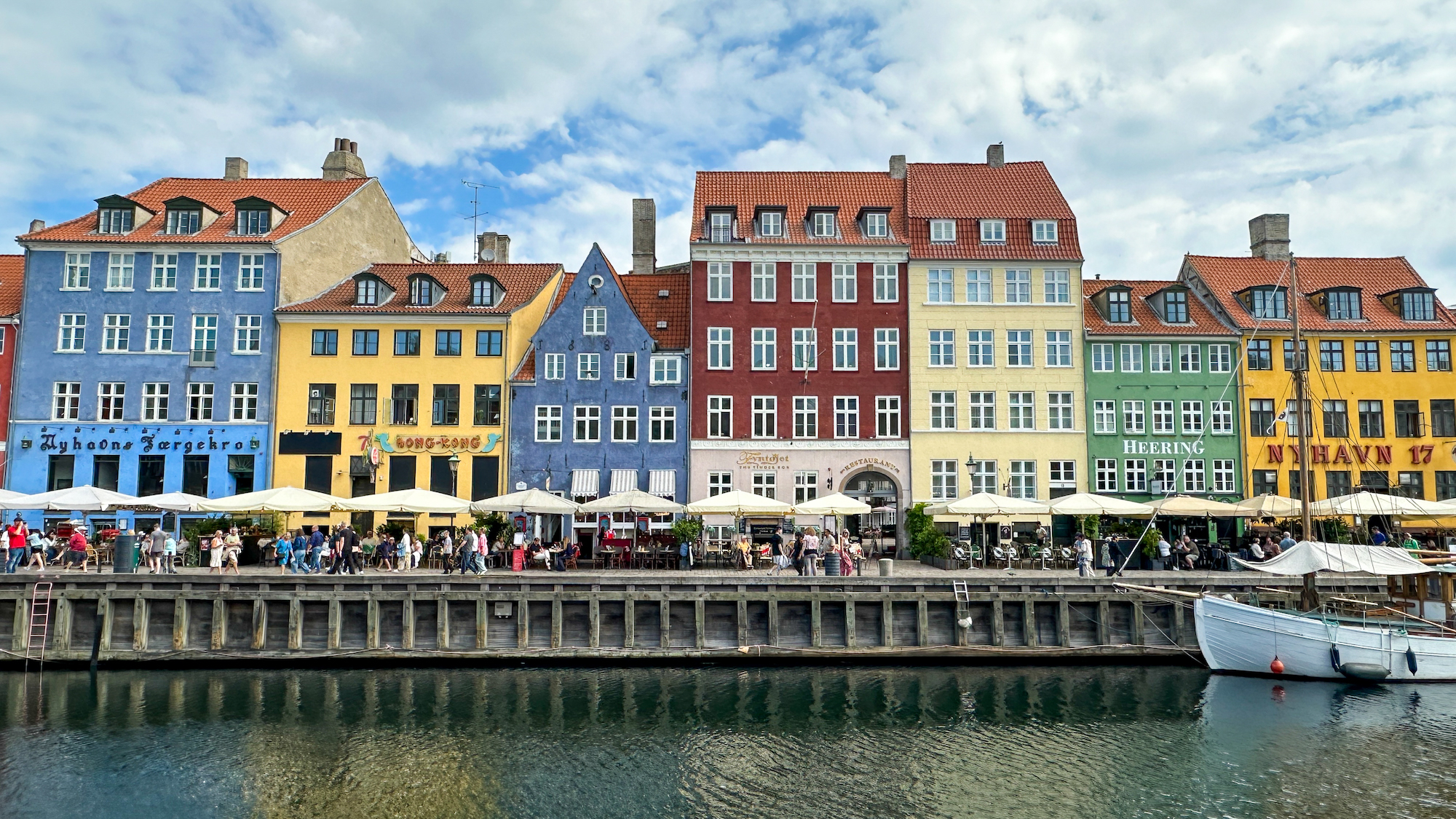
The colorful 17th- and early 18th-century houses, the wooden boats moored along the docks, along with the many bars and restaurants, make this historical neighborhood one of the capital’s most popular among visitors today.

A walk along Nyhavn is an absolute must. Make sure you explore the surrounding streets as well!


Tivoli Gardens
Built in 1843, Tivoli is one of the oldest amusement parks in the world. It’s location, stretching over nearly 20 acres in the heart of Copenhagen, gives it a particular charm.


Ny Carlsberg Glyptotek
The Ny Carlsberg Glyptotek was founded in 1888 by Carl Jacobsen, son of the founder of the famous Danish Carlsberg breweries.


The museum’s vast collection covers over 8000 years of the history of art: Etruscan art, Greek and Roman sculptures, ancient Egyptian artifacts, Danish painting and sculpture from 1780 to 1930 (Købke, Krøyer…), French painting and sculpture from 1800 to 1925 (Cézanne, Degas, Gauguin, Manet, Monet, Morisot, Renoir, Rodin…). The collection also includes works by van Gogh and Picasso.


If you don’t have a Copenhagen Card, make sure you buy your ticket online to get 10% off your purchase.
The Opera Park (Operaparken)
The Opera Park (Operaparken), which opened at the end of 2023, is a public park located on the waterfront next to the royal opera house. Within its 5 acres, it contains around 20 000 trees and plants from all over the world.


The park was designed by Copenhagen-based Cobe architects, who drew inspiration from the capital’s historical gardens. A contemporary “greenhouse” in the middle of the park is home to Væksthuset, a Danish café and restaurant.


Amalienborg Palace and the Marble Church (Marmorkirken)
Amalienborg Palace is the Copenhagen residence of Denmark’s royal family. It consists of 4 Rococo style buildings around an octagonal square. One of the buildings is open to the public and contains a museum presenting nearly 150 years of royal history.


The changing of the guards takes place every day at noon, in front of the palaces.

Just a stone’s throw from Amalienborg, the Marble Church (Marmorkirken) is easily recognizable by its majestic dome. Towering over us at 50 m tall and a diameter of 31 m, it is the largest dome in Scandinavia. The church’s design was inspired by St. Peter’s Basilica in the Vatican and is the finest example of Baroque architecture in Copenhagen.


Frederiksberg Park and Frederiksberg Allé
At nearly 80 acres, Frederiksberg Park is a peaceful public park, far from the hustle and bustle of the city center. With its lovely walkways and lush ponds, it’s the perfect place for a leisurely walk. The park is also located right next to the city zoo and even offers a view of the elephant enclosure.


From Frederiksberg Park, we recommend taking Frederiksberg Allé – an elegant avenue lined with linden trees and exclusive, classic apartment buildings.

The Little Mermaid and Kastellet
The Little Mermaid is one of the iconic sights of Copenhagen, along with Nyhavn and Tivoli. At 1.25 m tall, this bronze statue is smaller than one might imagine.

Carlsberg-heir and art collector Carl Jacobsen was so captivated by a performance of The Little Mermaid (the ballet based on the fairy tale by Hans Christian Andersen) at the Royal Theater in Copenhagen in 1909 that he commissioned a statue of the mermaid to be made by artist Edvard Eriksen. The sculptor drew his inspiration from prima ballerina Ellen Price for the face. He then had his wife Eline sit as model for the body. Jacobsen donated the sculpture to the city of Copenhagen in 1913, as he thought art should be accessible to all.

You will find The Little Mermaid a little outside the city center.
Located a mere stone’s throw from The Little Mermaid, Kastellet is a star-shaped citadel with bastioned ramparts. This military site is also a peaceful park, where events such as concerts are regularly held.


The Copenhagen Card
The Copenhagen Card gives access to over 80 museums and attractions (Tivoli Gardens, Ny Carlsberg Glyptotek, Rosenborg Castle, Amalienborg museum, the botanical gardens, canal tours…), as well as unlimited use of public transportation in the greater Copenhagen area (including travel to and from the airport). Depending on your needs the card can be activated for 24 hours, 48 hours, 3 days or 5 days. The card is free for children between 3 and 11 years old, while children from 12 to 15 years of age only pay half price.

The card is worth purchasing if you plan on visiting a lot of museums and attractions with entry fees and taking public transportation several times a day.
How to get around
Copenhagen is a capital on a human scale. Most of its monuments and main sights are located near each other and are accessible on foot (except for The Little Mermaid, which is relatively far away) or by bicycle. The numerous pedestrian streets in the city center and along the waterfront make it a very walkable city.

Public transportation
Public transportation in Copenhagen is extensive, and includes buses, metros, harbor buses and suburban trains (S-Tog). The network is user-friendly, fast and efficient.
Copenhagen is divided into zones, and prices will depend on the number of zones you travel through.
The City Pass is a digital public transportation card for unlimited journeys, valid for either 24 hours, 48 hours, 3 days , 4 days or 5 days. With the City Pass, 2 children under the age of 12 can travel for free with an adult, while it’s 50 % off for children between 12 and 15.
The DOT app makes it easy to buy tickets online and helps you find the optimal itinerary for your public transit journey. Download the app on the AppStore or on Google Play.
From the airport
Copenhagen Airport, Kastrup, is located 8 km from central Copenhagen. The quickest and cheapest way to get to the city center is by metro. The airport is in zone 4.
Where to stay
We stayed at Hotel Alexandra (H.C. Andersens Boulevard 8).


Hotel Alexandra celebrated Danish furniture and design. An authentic experience and a deep dive into local charm and hospitality, right in the heart of Copenhagen. This unique boutique hotel lets you travel back in time to the mid-20th century, with its refined interior, vintage esthetic and commitment to sustainability. We’ll tell you more about it very soon!

Discover more from Strafari
Subscribe to get the latest posts sent to your email.
 Strafari
6 replies on “Exploring Copenhagen: our best things to do”
Love this post & your photos! I went to Copenhagen a couple of years back but only had 2 days so missed out a lot of places you highlight, when I return I will be sure to check out some of these places 😊
LikeLiked by 1 person
Hey thanks a lot, Tyler! This was based on a very busy few days with lots of walking. This way you have lots more to explore next time you visit! Glad you liked it.
All the best,
Stephanie and Jerome
Strafari
LikeLiked by 1 person
This is my sister’s favorite city. It’s easy to see why.
LikeLiked by 1 person
Very true! Your sister has great taste 😀
LikeLiked by 1 person
[…] Copenhagen […]
LikeLike
[…] Copenhagen […]
LikeLike